

Stoma Bag Ballooning at Night: Causes, Solutions, and Prevention Tips
Table of Contents
What is stoma bag ballooning?
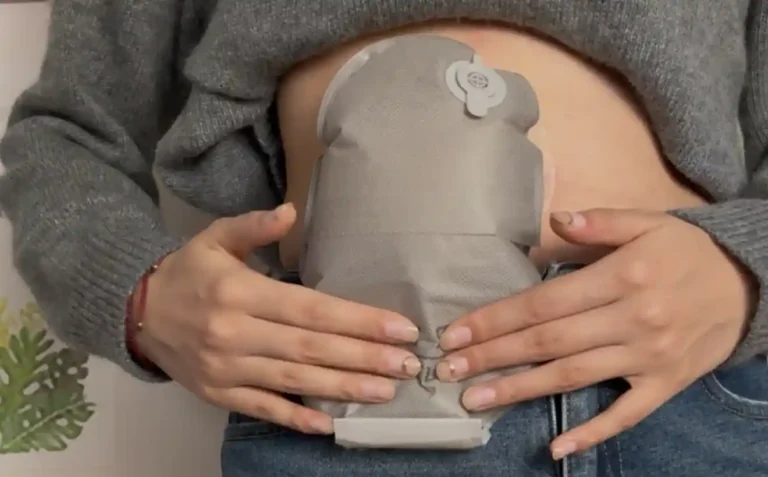
Stoma bag ballooning refers to the situation where the inside of the ostomy bag expands due to the accumulation of gas, causing the bag to bulge like a balloon. This usually occurs after the patient has eaten or during sleep at night. When the gas produced by the intestines cannot be promptly expelled through the filtering system of the ostomy bag, it accumulates inside the bag, resulting in its expansion.
The gas in the ostomy bag mainly comes from the fermentation of food by intestinal bacteria during digestion and the air swallowed. These gases typically include hydrogen, carbon dioxide, and methane. When the gas accumulates inside the bag and cannot be released, the stoma bag ballooning phenomenon occurs.
Typical Signs of Stoma Bag Ballooning
The typical manifestations of stoma bag inflation usually include:
- The bag becomes significantly swollen:The stoma bag gradually bulges out, resembling an inflated balloon.
- The internal pressure increases:Patients may feel that the bag becomes tighter or harder.
- There is a clear accumulation of gas: When gently pressing the bag, gas can be felt.
- Stoma bag ballooning at night: Many patients discover that the stoma bag has bulged when they wake up.
Why Does a Stoma Bag Balloon at Night?

Gas Production During Digestion
During the digestion process, the intestines naturally produce gas, which is a normal physiological phenomenon in the human body. After food enters the intestines, it is decomposed and fermented by the intestinal flora, generating gases including hydrogen, methane, and carbon dioxide.
For people without an ostomy, these gases usually exit through the anus. However, for ostomy patients, the gas directly enters the ostomy bag. When the gas accumulates in the bag and cannot be expelled in time, it causes the ostomy bag to gradually expand.
This situation is particularly likely to occur at night, as the digestion process after dinner often lasts for several hours. When the human body enters a sleep state, the intestines are still undergoing digestion and fermentation activities, so the gas continues to be produced. If the ostomy bag does not deflate or empty in time, it may cause the stoma bag to balloon at night.
Blocked Ostomy Bag Filter
Modern ostomy pouches are usually equipped with an activated carbon filter, which functions to allow gases to be released slowly while reducing odors. However, during actual use, the filter may lose its effectiveness due to various reasons. When the filter becomes clogged, the gases produced inside the bag cannot be released normally and can only accumulate inside the bag, resulting in stoma bag ballooning at night.
Gas-Producing Foods
Diet plays a significant role in the production of gas in ostomy bags. Certain foods are more likely to produce gas during digestion. If a large amount of such foods are consumed at dinner, it may increase the probability of stoma bag ballooning at night.
Common gas-producing foods include:
- Beans and lentils
- Broccoli, cabbage, and cauliflower
- Onions and garlic
- Carbonated beverages
Sleeping Position
Sleeping positions can also affect the expulsion of gas from the ostomy bag. When patients maintain a certain position for a long time, such as lying on their side or on their stomach, the ostomy bag may be compressed, causing the filter to be pressed down and affecting the gas discharge. Or the sleeping position may cause the ostomy bag to fold or bend, which may also hinder the smooth passage of gas through the filter for discharge.
Full Pouch Before Sleep
Overfilling the ostomy bag before bedtime is also a common cause of stoma bag ballooning at night. If a certain amount of excrement has already accumulated in the bag, combined with the continuous production of gas during the night, the space inside the bag will quickly be filled, thereby increasing the likelihood of the bag expanding.
Is Stoma Bag Ballooning Dangerous?
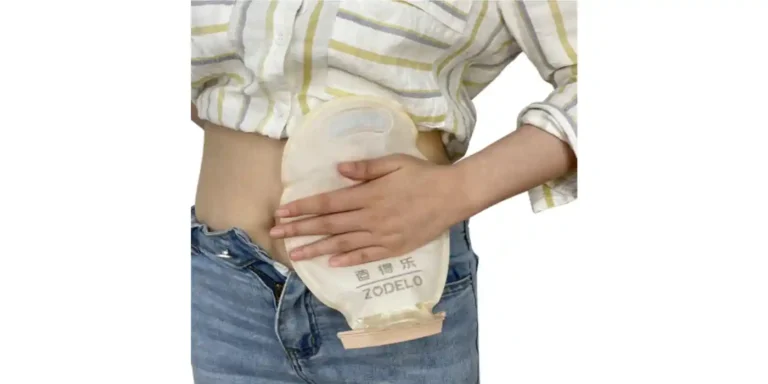
Generally speaking, stoma bag ballooning is not dangerous. For patients with an ostomy, the production of intestinal gas is a normal physiological process. Therefore, occasional stoma bag ballooning at night is quite normal. However, if this occurs frequently or the bag becomes overly inflated, it may affect the safety and comfort of ostomy care.
Increasing leakage risk
When there is excessive gas inside the ostomy bag, the bag will gradually expand and exert additional pressure on the base (skin barrier). If the pressure continues to increase, it may affect the sealing between the base and the skin, thereby increasing the risk of leakage. Long-term leakage can cause skin irritation, redness, heat sensation, or even damage to the skin barrier.
Therefore, although frequent ballooning is not a direct health threat, it may indirectly affect the health of the skin around the stoma.
Affect sleep quality
Many patients are more likely to encounter the problem of the ostomy bag inflating during the night. When the bag is significantly swollen, patients may experience abdominal discomfort or a sense of pressure. They may frequently wake up due to excessive worry about the bag bursting or leaking. The need to get up and empty the ostomy bag disrupts sleep, thereby affecting the overall quality of life.
How to Stop Stoma Bag Ballooning at Night
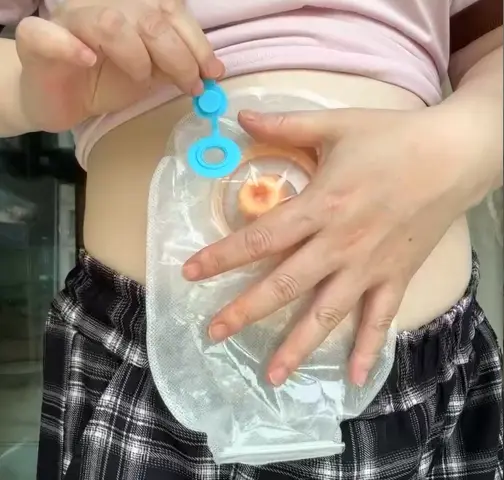
For many patients with stomas, stoma bag ballooning at night is a common but troublesome phenomenon. Although ballooning itself does not directly pose a threat to health, it may affect sleep quality and increase the risks of bag leakage or skin irritation. The following care methods can usually effectively reduce the occurrence of stoma bag ballooning at night.
1. Empty the ostomy bag before sleeping
Keeping the ostomy bag at a lower volume before sleep is one of the simplest and most effective ways to reduce stoma bag ballooning at night. Generally, the bag should be emptied when the accumulated waste reaches approximately one-third of its capacity.
Therefore, it is recommended to develop the habit of emptying the ostomy bag before sleep. This can provide sufficient space for the gas and waste produced during the night, thereby reducing bag expansion.
2. Adjust the dietary structure for dinner
Diet has a significant impact on the production of intestinal gas. Certain foods tend to produce a lot of gas during digestion. If consumed in excessive amounts during dinner, it may increase the likelihood of stoma bag ballooning at night.
The following foods should be reduced in consumption:
- Legumes and legume products
- Cabbage family vegetables (such as broccoli, cabbage, cauliflower)
- Onions and garlic
- Carbonated beverages
3. Choose the ostomy bag with gas release valve
Modern ostomy bags are usually equipped with an activated carbon filter, which allows gases to be gradually expelled and reduces odors. It can to some extent prevent excessive accumulation of gases inside the bag.
Therefore, when choosing an ostomy bag, it is recommended to prioritize products with an exhaust valve or filtration system. This design enables the expulsion of gases while avoiding odors. It can also reduce the occurrence of stoma bag ballooning at night.
4. Pay attention to sleep position
The sleeping position can also affect the flow and expulsion of gas within the stoma bag. If the bag is compressed during sleep, it may cause the filter to get blocked or prevent the gas from expelling smoothly. Adjusting the sleeping position or using a bag design more suitable for nighttime use can also help alleviate stoma bag ballooning at night.
Avoid keeping the stoma bag under prolonged pressure
Keep the bag in a naturally drooping position
Wear loose pajamas
5. Regularly replace the ostomy bag
The filtration system of the ostomy bag may lose its effectiveness over time due to moisture or excretions, thereby reducing the exhaust efficiency.
Therefore, during daily care, the ostomy bag should be replaced regularly. Also, pay attention to keeping the filtration area clean and dry. This not only helps to reduce stoma bag ballooning at night but also improves the overall hygiene and safety of ostomy care.
When to Talk to a Doctor About stoma bag ballooning at night?
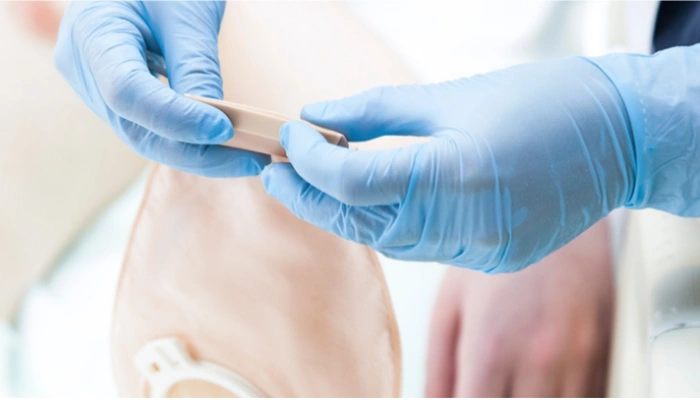
1. Frequent bag ballooning
If the ostomy bag noticeably bulges almost every night. And there is no significant improvement even after adjusting the diet, emptying the bag before bedtime, or changing the ostomy bag product. Then professional assessment may be necessary.
2. Frequent Leakage
If nighttime ballooning is often accompanied by the following issues, it is also recommended to consult a medical professional promptly:
- Frequent leakage at the sealing area of the ostomy bag
- Redness, pain, or damage to the skin around the stoma
- Continuous dampness or inflammation of the skin
These symptoms may indicate excessive pressure inside the bag or poor adhesion of the baseplate. If not addressed promptly, long-term leakage may damage the skin around the stoma and increase the difficulty of care.
3. Accompanied by obvious abdominal pain or distension
In general, simple ballooning does not cause significant pain. If the patient experiences persistent abdominal pain, severe abdominal distension, nausea or vomiting. The amount of excretions significantly decreases or stops. Abnormal intestinal functions may occur. Seek medical attention immediately.
4. Obvious changes in the shape of the stoma
Abnormal color of the stoma (such as darkening or turning purple)
Swelling or protrusion around the stoma appears
5. There are significant changes in the excretion pattern.
The nature of the excretions suddenly changes.
The amount of excretion significantly decreases or increases.
Best Ostomy Bags to Reduce stoma bag ballooning at night
Choosing the right ostomy bag can effectively reduce stoma bag ballooning at night. Our products are dedicated to helping users reduce gas accumulation, lower the risk of bag leakage, and enhance the comfort of daily care.
Ostomy Bag with Openable Gas Release Valve
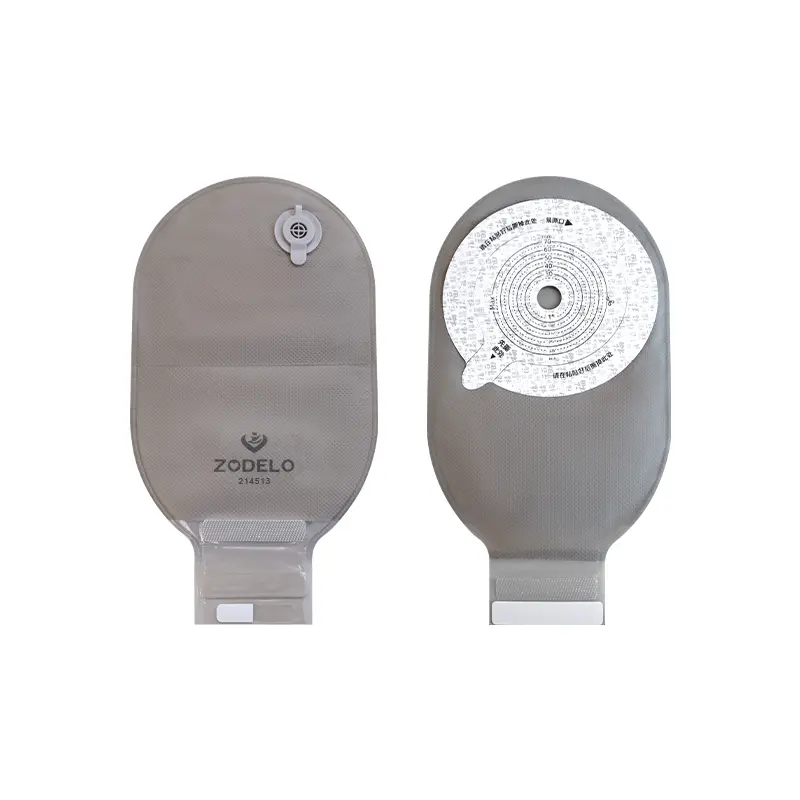
The ZODELO ostomy bags with gas release valve feature a convenient exhaust structure. They allow for quick and safe exhaust at any time, thereby reducing bag expansion and discomfort. This enables patients to easily release gas without compromising the seal, helping to prevent stoma bag ballooning at night and enhancing overall comfort during use.
Ostomy Bag with Charcoal Filter System
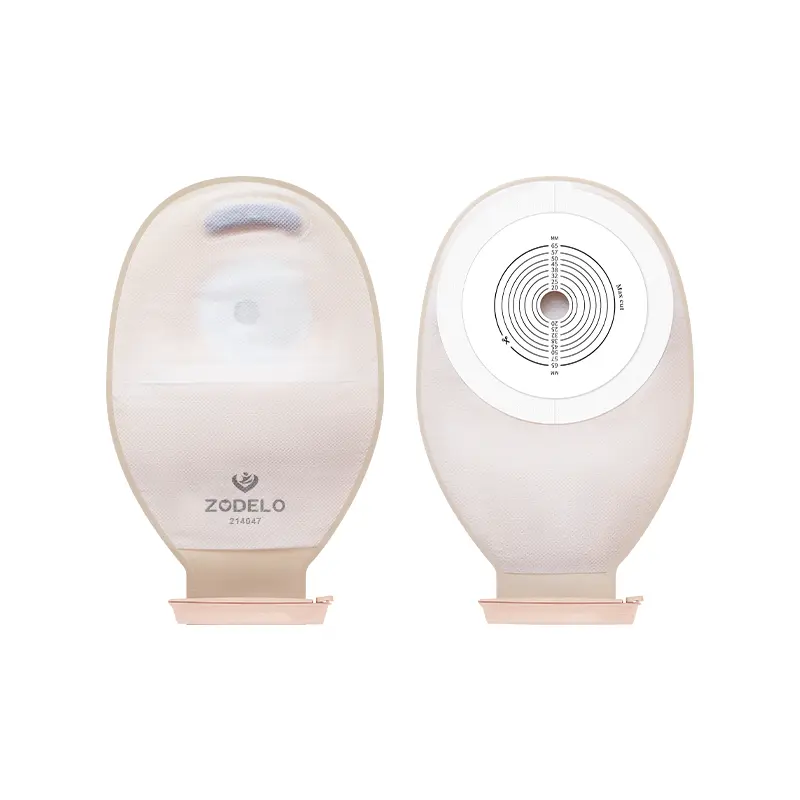
It is possible to control the odor while allowing the gas inside the bag to release slowly, thereby reducing stoma bag ballooning. ZODELO filtered ostomy bags are equipped with an efficient activated carbon filter layer. They can continuously release gas and reduce odors during daily use, helping to keep the bag flat and improving the night-time usage experience.
FAQs about stoma bag ballooning at night
The catheter bag filling with gas at night is usually due to the fermentation of food by intestinal bacteria during digestion. For example, hydrogen, methane and carbon dioxide are produced. The digestive activities after dinner may last for several hours, so gas is still produced during sleep.
Yes. Occasional ballooning of the stoma bag is a normal phenomenon. During the digestion process, the intestines naturally produce gas, which enters the stoma bag.
However, if the bag frequently bursts or causes leakage, skin irritation, etc., it is necessary to seek medical attention promptly.
The method of releasing the gas from the ostomy bag depends on the design of the bag.
If you are using a bag with an exhaust valve, gently open the exhaust valve to release the gas.
For a regular ostomy bag, you can slightly open the bag opening to release the gas while ensuring safety and hygiene.
The charcoal filter enables the gradual release of gases while also absorbing odors. However, the filter may get clogged by excrement or moisture, so it is necessary to replace the ostomy bag regularly to ensure the normal operation of the filtration system.
- Beans and bean products
- Broccoli, cabbage and other cruciferous vegetables
- Onions and garlic
- Carbonated beverages
- High-fiber foods
Yes. Keeping the volume of the bag low can provide space for the gases and excretions produced during the night, thereby reducing the risks of bag expansion, leakage, or discomfort.
Yes. If the body presses against the ostomy bag or the filter area, it may impede the release of gas, thereby causing gas to accumulate inside the bag.
Probably not. Modern ostomy pouches are usually made of multiple layers of high-strength materials, which can withstand a certain amount of internal pressure. However, if there is too much gas inside the bag, it may increase the risk of leakage.
This depends on the type of product and the individual usage situation. Generally speaking, it is recommended to replace the chassis every 3 to 5 days. The bag body may need to be replaced more frequently.
- Pouch with activated carbon filtration system
- Pouch with exhaust valve design
- Design with larger capacity pouch type
Conclusion - stoma bag ballooning at night

For many patients with stomas, stoma bag ballooning at night is a common problem. By understanding the causes of gas production and taking corresponding care measures, most patients can significantly reduce night ballooning and enjoy a more comfortable sleep experience.
ZODELO focuses on the research and production of stoma care products, providing a variety of professional solutions. These include:
- Stoma bags with gas release valve
- Stoma bags with activated carbon filtration systems
- Stable and comfortable skin adhesion systems
Our products are dedicated to helping users reduce gas accumulation, lower the risk of bag leakage, and enhance the comfort of daily care.
If you are a medical supplies distributor, medical equipment purchaser, or medical brand owner. Looking for a reliable ostomy bag manufacturer or OEM/ODM supplier, please contact the ZODELO team.
More Resources about stoma bag ballooning at night

Top 10 Colostomy Bag Manufacturers In India 2026
top 10 colostomy bag

Top 10 Stoma Bag Suppliers Uk 2026
Top 10 Stoma Bag Sup

The Ultimate Guide To Sex With A Colostomy Bag
The Ultimate Guide T

Top 10 Colostomy Bag Manufacturers And Suppliers In China 2026
Top 10 Colostomy Bag