

what causes a colostomy bag to leak
Table of Contents
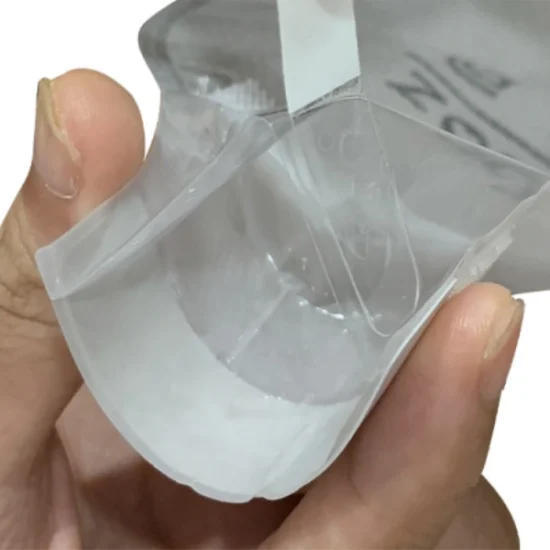
Why Does a Colostomy Bag Leak?
To fully understand what causes a colostomy bag to leak, we must examine several critical factors involving fit, skin condition, and maintenance.
1. Improper Stoma Opening Size
The central opening of the wafer might be cut too large. In this case, waste products will come into direct contact with the skin and cause erosion. Conversely, it might be cut too small. Then, it will rub against the stoma mucosa.
This triggers edema or trauma. It also compromises the integrity of the seal. This sizing error is frequently what causes a colostomy bag to leak in patients who have not recently re-measured their stoma size.
2. Uneven Skin Surface
These can create microscopic channels. Consequently, waste products can easily seep underneath the wafer. Identifying these surface irregularities is key to determining what causes a colostomy bag to leak on a recurring basis.
3. Insufficient Adhesive Performance
4. Improper Application Technique
Either of these will directly compromise the security of the seal. Often, what causes a colostomy bag to leak is simply a failure in the preparation or application process rather than the product itself.
5. Overfilled Stoma Pouch

Is It Normal for a Colostomy Bag to Leak?
Leakage Is Common
When asking what causes a colostomy bag to leak during this phase, the answer is often simply the body’s ongoing adjustment to surgery.
Especially For New Users
Postoperative Changes
Skill Acquisition
Emotional Impact
Psychological and Social Effects
Regaining Control

Main Causes of Colostomy Bag Leakage
Precision Alignment
Cutting Errors
Skin Topography
Application Mistakes
User Error vs. Product Defect
Skin Preparation
Application and Maintenance
Product-Related Issues
Effluent Erosiveness
Morphological Compatibility
Body-Related Factors
1. Physiological Changes
2. Mechanical Stress
How to Prevent a Colostomy Bag from Leaking?
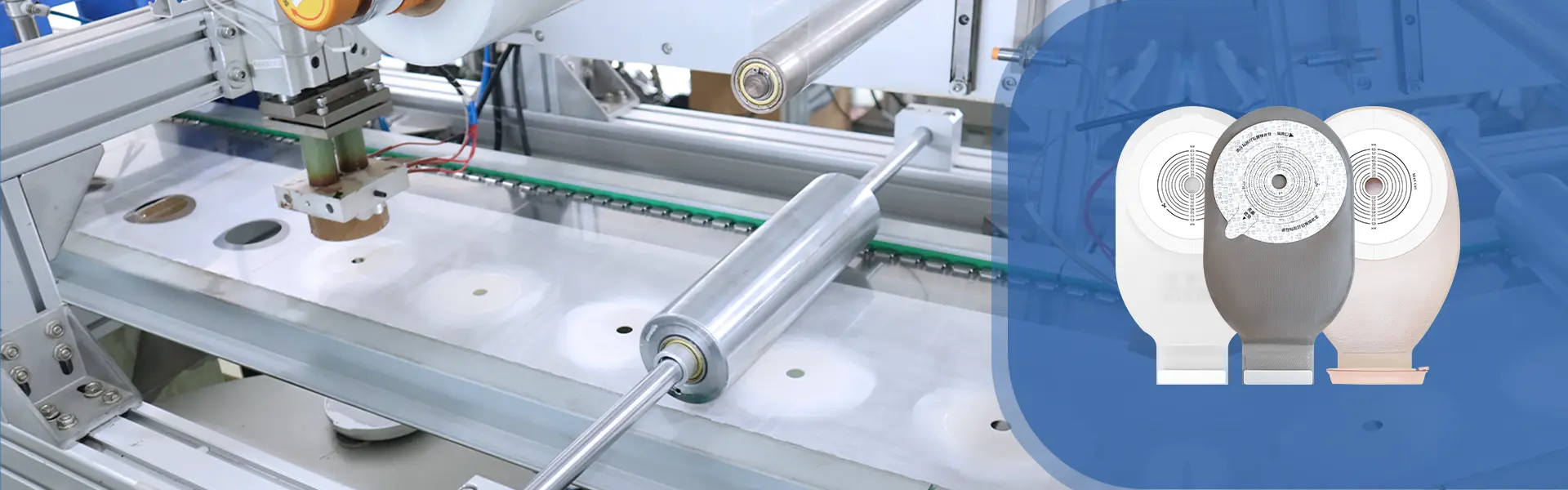
1. Measure your stoma regularly
A stoma changes over time. In the immediate postoperative period, the stoma will gradually shrink as the swelling subsides. Consequently, cutting the baseplate to the original size—rather than adjusting it—is a common cause of leakage.
It is recommended that you make it a habit to use a measuring guide every time you change your ostomy pouch. Ensure that the opening of the baseplate is always 1–2 millimeters larger than the stoma mucosa.
2. Keep skin clean and dry
Skin hygiene is a crucial step in preventing leaks. Before applying a new baseplate, use warm water to clean the skin surrounding the stoma. Remove any residual waste or adhesive residue.
After washing, gently pat the area dry with a soft tissue to ensure the skin is completely dry. If the skin shows signs of minor irritation or breakdown, you can use ostomy powder and a skin barrier film to help repair and protect it.
3. Use barrier rings or seals
Ideally, the skin surface should be flat and smooth. However, in reality, the abdomen often presents with folds, depressions, or scars—all of which can contribute to leakage.
This is where barrier rings or pastes come into play; they effectively fill in skin irregularities to create a smooth, level surface. For patients with retracted stomas or deep skin folds, combining a convex baseplate with a barrier ring can significantly enhance leak prevention.
4. Empty the pouch before it gets full
This is a habit that is often easily overlooked. When the waste in the ostomy pouch exceeds one-third of its capacity, gravity exerts a downward pull on the baseplate, thereby compromising the adhesion of the sealing edge.
For patients with liquid output, connecting a bedside drainage bag is an excellent way to ensure a restful night’s sleep, as it minimizes the risk of leakage caused by frequent nighttime trips to the bathroom or pouch overfilling.
5. Choose a high-quality ostomy system
You deserve the most reliable protection. The market offers a wide variety of ostomy pouch products. From one-piece to two-piece systems, and from flat to convex designs, each style is tailored to meet the specific needs of different patients.
Do not settle for a product that causes you discomfort. Actively try samples from different brands.
How to Choose the Right Ostomy Bag to Prevent Leakage?
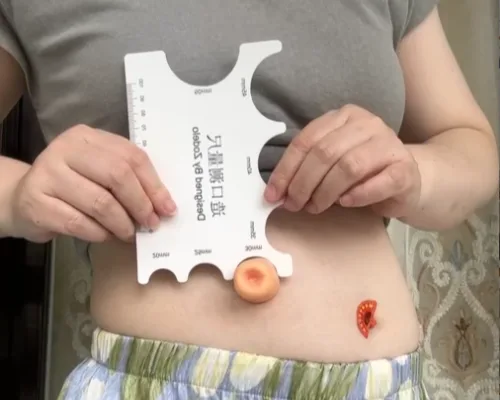
1. Strong Adhesive Power
Erosion Resistance
High-quality baseplates utilize high-performance hydrocolloid adhesives. These adhesives not only adhere firmly but also possess exceptional durability. When faced with the thin, enzyme-rich fluids discharged from an ileostomy, a strong adhesive can hold its ground for longer without dissolving.
Longevity
Before making a choice, inquire about the product’s recommended wear time. Look for products designed for extended wear. This indicates that the adhesive can maintain stable tackiness—even in moist environments and at body temperature—without easily lifting at the edges.
2. Flexible Baseplate
Conformity
Choose a baseplate made of soft, elastic materials. When you bend over, sit down, or turn around, a soft baseplate moves fluidly like a second skin rather than rigidly resisting your skin; this prevents gaps caused by movement that could lead to leakage.
Moldable Technology
Some brands feature baseplates with “moldable” properties. These can adapt to the subtle contours surrounding the stoma, filling in gaps that are invisible to the naked eye to provide a customized, snug fit for irregular abdominal profiles.
3. Leak-Resistant Structural Design
Convex vs. Flat
If your stoma is retracted or surrounded by skin folds, a standard flat baseplate may not suffice. Consider a convex baseplate; its outward-pushing pressure helps to gently protrude the stoma, guiding waste directly into the pouch and thereby structurally minimizing the risk of leakage.
Integrated Systems & Anti-Reflux
Pay close attention to the design of the ostomy pouch itself. Pouches equipped with an anti-reflux mechanism prevent waste from flowing back toward the edge of the baseplate when you are lying down; conversely, one-piece systems are typically thinner and more discreet, thereby minimizing the risk of leakage at the connection point.
4. Skin-Friendly Materials
Gentle and Hypoallergenic
The prerequisite for leak prevention is healthy skin. Opt for adhesives containing soothing ingredients, or choose products specifically designed for sensitive skin. If the skin becomes red or compromised due to an allergic reaction, many ostomy pouches will be unable to adhere securely.
Minimize Irritation
High-quality materials make pouch changes easier, reducing the pain and skin damage caused by peeling and pulling. This helps protect the skin surrounding your stoma.

FAQs about what causes a colostomy bag to leak
Q1.What are the most common causes of stoma pouch leakage?
- Application Errors: Improper baseplate cutting or insecure adhesion.
- Fit Issues: An opening that is too large causes skin erosion, while one that is too small causes friction.
- Other Factors: Skin folds, incomplete drying, or an overfilled pouch.
Q2. How often should a stoma pouch be changed?
- Routine: Change the pouch every 3 to 5 days.
- Immediate Action: Change immediately if you notice:
- Curling edges
- Itching
- Leakage
- Increased Frequency: You may need to change the pouch more often during periods of heavy sweating or if stool consistency is liquid.
Q3. Why does my stoma pouch fail to adhere securely?
- Thoroughly cleaned (removing oils, sweat, or old adhesive residue).
- Completely dry before application.
️ Application & Product Issues
- Insufficient pressure applied during application.
- Using a baseplate that is damp or expired.
Q4. Can I still apply a stoma pouch if the skin around the stoma is red or damaged?
For mild redness, you can repair the skin using a combination of “stoma powder + protective barrier film” before applying the pouch.
However, if there is severe ulceration or signs of infection, please discontinue use immediately and consult a physician.
Q5. How can I prevent stoma pouch leakage during the night?
Empty the pouch before going to bed; ideally, connect it to a bedside drainage bag. Use a stoma pouch equipped with an anti-reflux mechanism, and ensure that the baseplate is securely sealed.
Q6. What causes an ostomy pouch to balloon?
This is typically caused by a buildup of gas or excessive output within the pouch. It may result from consuming gas-producing foods or from a clogged vent filter. Simply empty the pouch and check the vent filter to resolve the issue.
Q7. What is a convex baseplate, and do I need one?
- Function: The raised center pushes a retracted or flush stoma outward.
- Indication: Used to prevent leakage when the stoma is below skin level or surrounded by skin folds.
Q8.Can I wear my ostomy pouch while bathing or showering?
Yes. Ostomy pouches are generally waterproof; you may also use a waterproof seal or cover for added protection.
Avoid using oil-based soaps or body washes to clean the area around the stoma, as this can compromise the adhesive’s effectiveness.
Q9. How can I prevent my ostomy pouch from detaching during exercise?
It is recommended to use an abdominal binder or support belt to secure the pouch, thereby minimizing movement and reducing tension on the adhesive.
Wear loose-fitting clothing, and for strenuous activities, consider using a two-piece system for easier emptying.
Q10. Does diet affect the leak-proof performance of the ostomy pouch?
Yes. Liquid stool is more prone to leaking than formed stool. In fact, the consistency of your output is a major factor in what causes a colostomy bag to leak. Avoiding gas-producing foods or foods known to cause diarrhea—and maintaining formed stool consistency—can help prevent leaks.
Conclusion -what causes a colostomy bag to leak

While ostomy bag leakage is a distressing problem for many, it is by no means insurmountable. Ostomy bag leakage is often the result of a combination of factors, including product selection, care techniques, and physiological changes.
This also includes learning how to use assistive devices, such as leak-proof rings, to fill skin folds; measuring stoma size; and keeping the skin clean and dry. It’s also essential to develop the habit of emptying the ostomy bag promptly.
More Resources about what causes a colostomy bag to leak
- Why Do Ostomy Bags Leak? Common Causes Explained-biologyinsights
- Colostomy— NHS
- Ostomy: Adapting to life after colostomy, ileostomy or urostomy— Mayoclinic
- What is a stoma?— Colostomyuk
- What is a colostomy bag?-ada
- Colostomy: Surgery, Bags and Stoma Care-mayoclinic

Top 10 Colostomy Bag Manufacturers In India 2026
top 10 colostomy bag

Top 10 Stoma Bag Suppliers Uk 2026
Top 10 Stoma Bag Sup

The Ultimate Guide To Sex With A Colostomy Bag
The Ultimate Guide T

Top 10 Colostomy Bag Manufacturers And Suppliers In China 2026
Top 10 Colostomy Bag