

what percentage of people have a colostomy bag
Table of Contents
If you or a loved one has recently needed to use a colostomy pouch, you probably have questions. The first one is likely: “Just how many people are actually living with one?”
In reality, colostomy surgery is far more common than many people imagine. Millions of people worldwide live with a stoma. This can be due to colorectal cancer, Crohn’s disease, inflammatory bowel disease, or other medical conditions. Many people wonder what percentage of people have a colostomy bag. In developed nations, approximately 0.2% to 0.4% of the population lives with a stoma.
Many of these individuals continue to work. They travel and exercise. They enjoy a normal, everyday life.
In this article, we will take a deep dive into the topic. We will look at how common colostomy pouches are. We will also explore why people need them. Finally, we will see what living with a colostomy is truly like in today’s world.
Quick Answer: How Common Are Colostomy Bags?

When asking what percentage of people have a colostomy bag, in China alone, there are over one million ostomy patients, with approximately 100,000 new cases diagnosed each year. On a global scale, the number of people affected reaches into the millions. The most common reasons for requiring a colostomy include colorectal cancer, Crohn’s disease, and ulcerative colitis. However, having an ostomy does not prevent you from living a fulfilling life. Many ostomy patients continue to work, travel, and exercise, while fully enjoying their daily lives.
What Is a Colostomy Bag?
Simply put, a stoma bag is a specialized pouch. It is designed to collect bodily waste. You might wonder what percentage of people have a colostomy bag. When a person undergoes surgery, doctors may remove the original anus. This is due to certain medical conditions. Doctors then create a new “outlet” on the abdomen. This serves as an alternative route for bowel movements. The stoma bag is attached to this outlet. It catches the expelled stool. This prevents waste from soiling clothing and skin.
What Is a Stoma?
A “stoma” refers to the new outlet. Doctors surgically create this on your abdomen. During the procedure, the surgeon pulls a section of healthy intestine through the abdominal wall. They suture it in place. It typically appears bright red or pink. It has a moist surface. It closely resembles the mucous membrane found inside the mouth. A stoma lacks the muscular sphincter control found in the anus. Therefore, stool is expelled involuntarily. This is why it is necessary to wear a stoma bag continuously. It collects the waste.
What Does a Colostomy Bag Do?
The primary functions of a stoma bag are collection and protection. It serves two main purposes. First, it safely collects the stool and gas expelled from the stoma. This relieves you of the worry of soiling your clothing. It also safeguards your privacy and dignity. When researching what percentage of people have a colostomy bag, you will find many live normal lives. Second, the bag protects the skin surrounding the stoma. Waste products contain numerous irritating digestive enzymes. Direct contact with the skin can easily lead to redness. It can cause swelling and ulceration.
Colostomy vs. Ileostomy Many people often confuse a colostomy with an ileostomy. However, the key differences lie in their location and the nature of the waste expelled.
- Location: A colostomy is typically created on the left side of the abdomen. It connects to the large intestine (colon). Conversely, an ileostomy is generally located on the right side of the abdomen. It connects to the small intestine (ileum).
- Waste Output: The large intestine is primarily responsible for absorbing water. Therefore, the stool expelled from a colostomy is usually well-formed. It closely resembles normal feces. This makes it relatively easier to manage. In contrast, an ileostomy bypasses the large intestine. Water is not absorbed. Consequently, the output is typically semi-liquid or fluid. This output contains a higher concentration of digestive enzymes. It can be highly irritating to the skin. This necessitates more frequent bag changes.
Understanding what percentage of people have a colostomy bag helps reduce the stigma. It is a common medical solution. Millions of people rely on these devices every day. Knowing what percentage of people have a colostomy bag empowers patients. It shows them they are not alone.
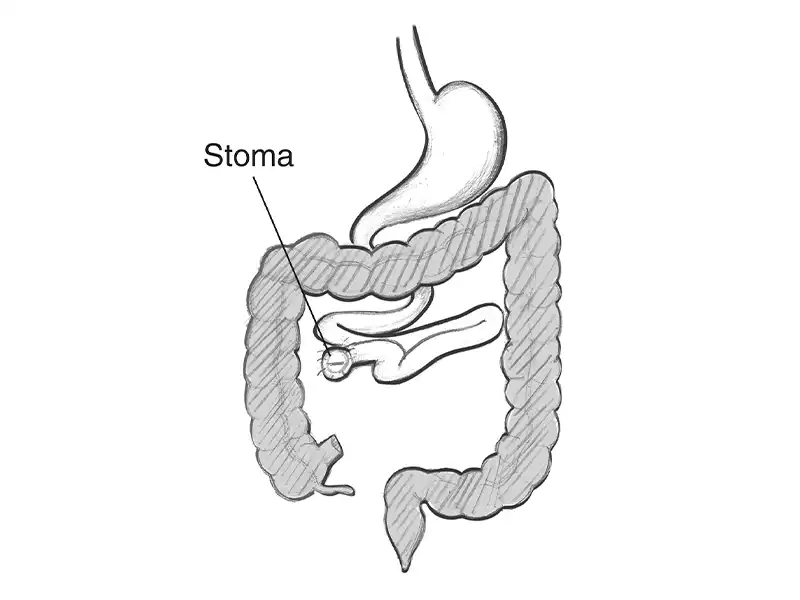
Why Do People Need a Colostomy Bag?
In reality, the need to wear a stoma bag is not caused by a single specific disease. It is a “diversion” measure. Doctors are compelled to adopt it either to save a life or to allow the bowel to rest and heal. This is necessary when illness or injury prevents the intestines from expelling waste normally. You might wonder what percentage of people have a colostomy bag due to these conditions. The following are some of the most common medical conditions associated with this procedure:
Colorectal Cancer:
This is currently the most common underlying cause. A tumor may develop in the rectum or colon. This is particularly critical if it is located very close to the anus. Doctors may be forced to remove the anus along with the tumor. This ensures the cancer is completely eradicated and saves the patient’s life. Consequently, the original “exit” is gone. A new opening (a stoma) must be surgically created on the abdomen. This allows for the elimination of waste.
Inflammatory Bowel Disease (IBD):
This refers to a group of chronic conditions. It is characterized by long-term inflammation and ulceration of the intestines. Medication may fail to control the condition. The bowel might experience recurrent bleeding, perforation, or severe obstruction. Doctors must surgically remove the damaged sections of the intestine. They create a stoma (either temporarily or permanently). This allows the remaining healthy bowel tissue to heal properly.
Crohn’s Disease:
This is a specific type of IBD. Crohn’s disease is particularly destructive to the intestines. For instance, it can cause severe narrowing or blockage of the bowel. It can also create “tunnels” (known as fistulas) connecting the intestines to other organs. Severe complications may arise from this. A bowel perforation can cause fecal matter to leak into the abdominal cavity. This triggers peritonitis. A stoma must be created as an emergency measure to save the patient.
Diverticulitis:
This condition is quite common among middle-aged and elderly individuals. Simply put, it involves the formation of numerous small pouches. These resemble bulges on a tire protruding from the intestinal wall. These “bulges” can become inflamed or infected (forming pus). They may also rupture and perforate. Fecal matter can leak into the abdominal cavity, leading to a severe infection. In such cases, doctors typically create a temporary stoma. This diverts and drains the waste. Once the infection has completely cleared, the bowel heals and strengthens. The stoma may then be surgically closed and reconnected.
In addition to the conditions listed above, other factors may necessitate a stoma. Severe abdominal trauma is one cause. Intestinal obstruction is another. Congenital conditions can also be a factor. For example, babies may be born without an anus. A stoma facilitates normal bodily waste elimination in these cases.
Can People Live Normally With a Colostomy Bag?

The answer is a resounding yes! As long as you master the correct care techniques, you can absolutely return to a normal life. You might even become healthier and happier than before.
Can You Work With a Colostomy?
Absolutely. Once you have fully recovered physically, you can certainly return to the workforce. Many people researching what percentage of people have a colostomy bag find that they continue working successfully. As long as your job doesn’t involve heavy manual labor, standard office jobs are fine. You should avoid tasks requiring excessive abdominal exertion, such as lifting heavy objects or construction work. Light physical labor will not be affected. Just remember to strike a balance between work and rest. Avoid staying up late for extended periods.
Can You Travel?
Of course! Having a stoma will not stand in your way. You can travel by plane, train, or car. We recommend starting with short trips to get the hang of things. Always carry extra ostomy pouches and care supplies with you. Ideally, keep these in your carry-on bag rather than in checked luggage. When flying, air pressure changes can occur. It is advisable to use an open-ended pouch equipped with a gas-release filter. This prevents the pouch from ballooning, a helpful tip for those wondering what percentage of people have a colostomy bag.
Can You Exercise?
Moderate exercise is not only safe but also beneficial for your health. Aerobic activities are highly recommended. These include walking, jogging, practicing Tai Chi, swimming, and ballroom dancing. However, you should try to avoid vigorous contact sports. Sports with a high risk of abdominal impact, such as basketball or wrestling, should be avoided. You should also minimize activities that increase intra-abdominal pressure. Weightlifting or moving heavy objects can lead to a parastomal hernia.
Can People Notice an Ostomy Bag?
It is generally invisible to others. Modern ostomy pouches are designed to be very lightweight and thin. They are form-fitting and offer excellent discretion. You can easily conceal the pouch by wearing loose-fitting clothing. Soft and comfortable clothes work best. If you prefer to wear more fitted clothing, specialized options are available. Ostomy undergarments or protective covers can help keep the pouch hidden. You don’t have to worry about what others might notice.
Do Colostomy Bags Smell?
As long as you maintain proper care, there should be no unpleasant odors. Modern ostomy pouches feature excellent odor-control designs. Activated charcoal filters ensure that the pouch itself does not leak any smells. If an odor does occur, it is usually due to a poor seal causing leakage. It can also happen if you consume foods known to produce strong odors, such as onions, garlic, or chives. Simply make sure to empty the pouch promptly. Adding a few drops of specialized stoma deodorizer will easily resolve any odor issues.
When considering what percentage of people have a colostomy bag, it is clear that many live active lives. Understanding what percentage of people have a colostomy bag helps normalize this medical reality. Knowing what percentage of people have a colostomy bag proves that life continues fully. Ultimately, the statistics on what percentage of people have a colostomy bag show you are never alone.
How Modern Ostomy Bags Improve Daily Life

Modern ostomy pouches have undergone tremendous upgrades in both technology and design. They serve as truly “devoted allies” for ostomates. These advancements comprehensively enhance their quality of life.
- Leak Protection: Current ostomy wafers (baseplates) utilize ultra-flexible hydrocolloid materials. They adhere snugly to the contours of the abdomen, much like a second skin. This ensures a secure seal even during vigorous activity. It also works well on skin with folds and creases. Many two-piece systems feature robust coupling mechanisms. These firmly lock the wafer and pouch together. This significantly reduces the risk of leakage.
- Odor Control: Managing odors is no longer a challenge. Modern ostomy pouches typically come equipped with built-in activated charcoal filters. These efficiently absorb odors within the pouch. They also discreetly vent intestinal gas. This prevents the pouch from ballooning.
- Skin-Friendly Materials: These materials minimize skin irritation. They also reduce the pulling sensation caused by repeated adhesion. Modern ostomy wafers are crafted from exceptionally soft materials. They are breathable and often hypoallergenic. Two-piece systems allow the wafer to remain in place for several days. You only need to replace the collection pouch. This provides maximum protection for the delicate skin surrounding the stoma.
- Discreet Design: Modern ostomy pouches are remarkably lightweight, compact, and form-fitting. They are completely invisible beneath clothing. Contemporary pouches typically feature matte or skin-tone finishes. This replaces the reflective or transparent materials of the past. It ensures optimal privacy and discretion.
When people ask what percentage of people have a colostomy bag, they are often surprised by the advanced technology available today. These innovations explain why so many individuals live active lives, regardless of what percentage of people have a colostomy bag. Ultimately, these design improvements ensure that anyone wondering what percentage of people have a colostomy bag can feel confident and comfortable.
Choosing the Right Ostomy Bag for Comfort and Confidence

Choosing the right ostomy pouch is absolutely the crucial first step toward living a comfortable and confident life! Faced with the dazzling array of products on the market, you can easily select the one best suited to your needs. Simply keep the following key points in mind:
- Consider the Stoma Type and Effluent Consistency: This is the most fundamental step. If you have an ileostomy, the effluent is typically liquid and frequent. Therefore, it is recommended to choose an open-ended pouch. This allows for easy emptying at any time. If you have a colostomy, the effluent is relatively formed. In this case, either an open-ended pouch or a disposable closed-ended pouch is suitable. If you have a urostomy, you must select a specialized ostomy pouch. It should be equipped with an anti-reflux valve.
- Consider the Stoma Shape (Choosing the Baseplate): Observe your stoma and the surrounding abdominal skin. If the stoma protrudes significantly above the skin surface, a standard flat baseplate will provide a comfortable fit. This works best if the surrounding skin is flat. However, if the stoma is flush with the skin—or even slightly recessed—you must choose a convex baseplate. This helps the stoma extend more effectively into the pouch. It effectively prevents effluent leakage.
- Consider the Pouch System (One-Piece vs. Two-Piece): For beginners, the elderly, or individuals with limited manual dexterity, a one-piece ostomy bag is the preferred choice. Since the baseplate and pouch are integrated, the application process is extremely simple. If you wish to minimize the frequency of skin irritation caused by removal, a two-piece ostomy bag offers greater flexibility. The baseplate and pouch are separable. You can change the pouch without having to peel off the baseplate each time. This is also ideal if you frequently need to monitor the condition of your stoma.
- Consider Your Personal Lifestyle: If you lead an active social life, it is recommended to choose a model with superior odor-blocking and leak-proof capabilities. Ideally, it should feature a gas release valve. During the early post-operative recovery period, doctors typically recommend using a transparent pouch. This facilitates easy monitoring of the stoma’s color and healing progress at any time.
It is helpful to remember what percentage of people have a colostomy bag when making these choices, as you are part of a large community finding the right fit. Knowing what percentage of people have a colostomy bag can also guide you toward products designed for specific lifestyles. Ultimately, understanding what percentage of people have a colostomy bag empowers you to select the best solution for your daily life.
FAQs about Colostomy bag prevalence
Q1. 1. Is having a colostomy bag common?
Yes, it is very common. Many people wonder what percentage of people have a colostomy bag, and millions worldwide live with a colostomy bag to manage various medical conditions.
Q2. How many people in the US have a stoma?
It is estimated that over 1 million people in the United States are living with an ostomy.
Q3. Can you live a long life with a colostomy?
Absolutely. While many wonder what percentage of people have a colostomy bag, a colostomy does not affect your life expectancy, and you can live a long, full, and healthy life.
Q4. How often do you change a colostomy bag?
Usually, you can change the pouching system every 3 to 5 days, or immediately if you notice any leakage or skin irritation, which is helpful information for those curious about what percentage of people have a colostomy bag.
Q5. Can you shower with a colostomy bag?
Yes. You can shower with the bag on or off. Just use warm water and avoid soaps with oils, which can loosen the adhesive.
Q6. Do ostomy bags smell?
No. Modern bags are odor-proof and often include charcoal filters to release gas silently without any smell, which is a relief for many wondering what percentage of people have a colostomy bag.
Q7. Can you sleep with an ostomy bag?
Yes, you wear it 24/7. You can use a larger capacity “night bag” before bed to avoid waking up to empty it.
Q8.Can you exercise or play sports with a colostomy bag?
Yes, activities like walking and swimming are great, no matter what percentage of people have a colostomy bag. Just avoid heavy lifting or high-contact sports to prevent hernias or injury.
Q9.Are there dietary restrictions with a colostomy?
You can usually eat a normal diet. It’s best to introduce new foods slowly and limit items that cause excess gas or blockages, regardless of what percentage of people have a colostomy bag.
Q10.Can you travel with a colostomy bag?
Yes. Just remember to pack plenty of supplies in your carry-on luggage and bring disposal bags for easy emptying on the go, regardless of what percentage of people have a colostomy bag.
Conclusion: Colostomy bag prevalence

Overall, ostomy surgery is a highly mature and widely practiced medical procedure that has helped millions of people worldwide resolve severe intestinal health issues and has successfully saved lives. Although it requires wearing an ostomy pouch on the abdomen following surgery, this marks by no means the end of one’s life; rather, it serves as the starting point for a new, healthy lifestyle.
Thanks to technological advancements in modern ostomy products—specifically regarding leak prevention, odor control, and discretion—combined with sound care practices, individuals with an ostomy can completely shed their psychological burdens and confidently return to the workplace, engage in sports, and travel the world. Provided they select the right care products for their specific needs and maintain a positive mindset, ostomates can continue to enjoy a high-quality, dignified, and wonderfully fulfilling daily life.
At Zodelo, every step from material selection to research and development adheres to one belief: to reduce users’ troubles and enhance their comfort. Zodelo will always be by your side, providing you with the most comfortable, safe and reassuring stoma care products.
More Resources: Colostomy bag prevalence
- Destigmatizing the stoma: How life works with an ostomy bag.-novanthealth.org
- Changes in the quality of life of adults with an ostomy during the first year after surgery as part of the Best Practice Spotlight Organisation® Programme-pmc.ncbi.nlm.nih.gov
- Colostomy Bag-ada
- things everyone should know about ostomy bags-uoaa
- Adjusting to Life With an Ostomy Bag: What To Expect-clevelandclinic.org


Top 10 Colostomy Bag Manufacturers In India 2026
top 10 colostomy bag

Top 10 Stoma Bag Suppliers Uk 2026
Top 10 Stoma Bag Sup

The Ultimate Guide To Sex With A Colostomy Bag
The Ultimate Guide T

Top 10 Colostomy Bag Manufacturers And Suppliers In China 2026
Top 10 Colostomy Bag