

The Ultimate Guide To Prevent Ostomy Bag Smell
Table of Contents
Ostomy Bag Smell is one of the most common problems that many stoma patients encounter in their postoperative lives. Ostomy Bag smell not only brings embarrassment and trouble in daily life or work and social interactions, but also brings psychological burden and anxiety to stoma patients.
Zodelo is well aware of the impact of Ostomy Odor on patients. This article will explain in detail for you how to Prevent Ostomy Bag Smell. As long as there is reasonable and correct ostomy care combined with high-quality and comfortable ostomy bag products, the ostomy bag will not have an odor.
Understanding Ostomy Odor
Ostomy Odor refers to the smell produced due to the leakage of excrement or gas during the use of ostomy bags. Many patients may encounter this problem after surgery. Not only will it cause an embarrassing psychological burden, but the unpleasant smell and leakage problems will also cause discomfort to their bodies.
What Is An Ostomy Bag?
An ostomy bag is a medical collection bag specifically designed to receive feces and urine discharged from the stoma. Some patients, due to inflammation or cancer in the anorectal area, external trauma or congenital diseases, are unable to use the intestinal excretion function normally. Therefore, they need to undergo stoma surgery to create a stoma in the abdomen to replace the original excretion function.
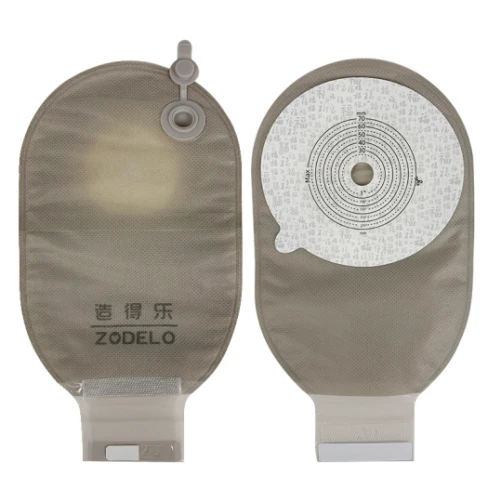
The composition and functions of ostomy bag
A stoma bag is usually composed of a bag body, a base or skin barrier and a discharge port, and some are equipped with an activated carbon filtration system. Stoma bags can effectively collect feces, prevent excrement from contaminating and irritating the skin, and prevent leakage and odor. They are an indispensable part of the normal life of stoma patients.
Do ostomy bag smell?
Many patients with stoma surgery have such concerns after the operation, thinking that there might be an unpleasant smell in their stoma bag and that others might smell the odor emanating from their bodies. But in fact, it won’t. The current ostomy bags on the market all have the functions of being waterproof, leak-proof, odor-proof and having strong sealing performance. If they are replaced in time each time and the replacement operation steps are correct and reasonable, the ostomy bags will not have a distinct odor.
If leakage occurs due to reasons such as failure to replace and clean in time, swelling of the bag, poor adhesion of the base to the skin, or diet, the ostomy bag smell problem will arise.
What can cause an ostomy bag smell?
Failure to replace and empty in time: Due to the long-term lack of replacement, a large amount of excrement and gas will accumulate and mix inside the bag, generating a distinct odor. At the same time, excessive weight or swelling of the bag can also cause leakage and odor problems.
- Poor adhesion between the underbody and the skin: When the skin does not fully adhere to the underbody; Stains, hair or water on the base or skin can also lead to poor adhesion and easy detachment of the base. The selected chassis does not match the stoma site. The skin has wrinkles or scars, which fail to form a seal with the chassis, resulting in the leakage of unpleasant odors.
- Dietary issues: Consuming foods with strong odors, such as Onions, garlic, eggs, and fish, can lead to a strong smell in excrement or gas. Consuming gas-producing foods and beverages, such as carbonated drinks, beans, cabbage, etc. Eating foods that irritate the stomach and intestines, such as coffee and alcohol, can stimulate intestinal peristalsis and lead to an increase in flatulence.
- Bag swelling: Excessive gas inside the bag can cause bag swelling. If it is not drained in time, it will lead to gas leakage, resulting in seepage and odor problems.
- Skin problems around the stoma: If the skin around the stoma remains damp and contaminated for a long time, it may irritate the skin, causing redness, swelling, itching, ulceration, infection and odor problems.
- Filter failure:Once the filter gets damp and fails, it can no longer effectively adsorb odors and gases, causing the odors to escape.
- Bag aging:After long-term use, the bag body may get damp or age, leading to easy leakage or an unpleasant odor.
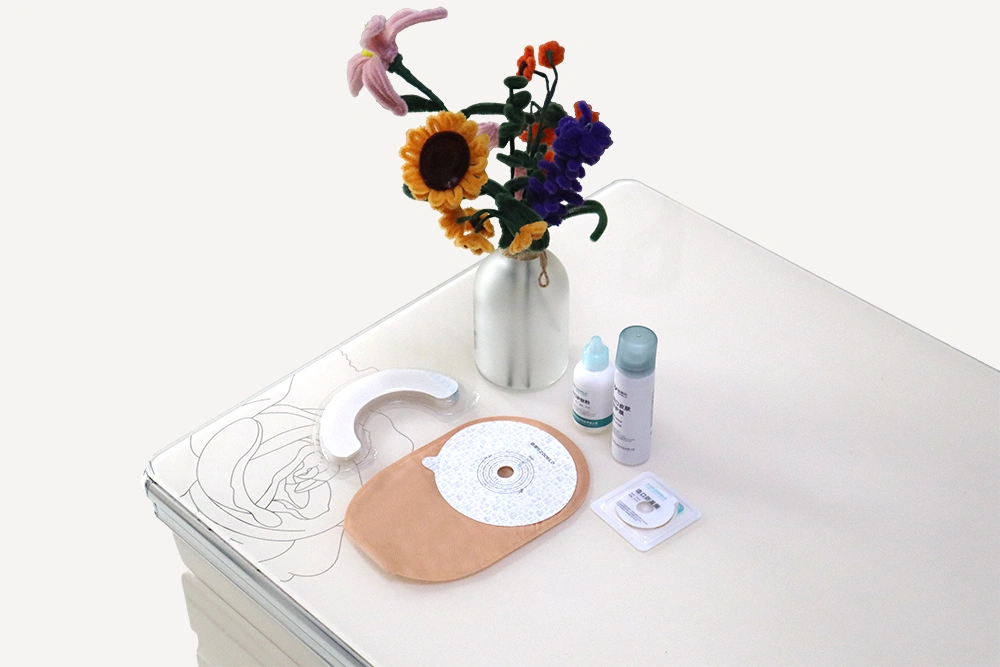
Ways to Avoid Ostomy Bag Smell
1. Check the source of the ostomy bag smell
When we smell an unpleasant odor coming from the ostomy bag, we need to promptly check the source and cause of the odor to facilitate our prompt handling and control of it.
1.1 Failure to replace and empty in time:
Due to the long period without replacement, a large amount of excrement and gas will accumulate and mix inside the bag, generating a distinct odor. At the same time, excessive weight or swelling of the bag can also cause leakage and odor problems.
Solution: Pay attention to replacing and emptying the bags in a timely manner. When leakage or bag swelling problems are found, the skin should be cleaned immediately and a new stoma bag should be replaced.
1.2. Poor adhesion between the underbody and the skin:
When the skin does not fully adhere to the underbody; Stains, hair or water on the base or skin can also lead to poor adhesion and easy detachment of the base. The selected chassis does not match the stoma site. The skin has wrinkles or scars, which fail to form a seal with the chassis, resulting in the leakage of unpleasant odors.
Solution: When pasting the base plate, make sure there are no water stains or contamination on the skin and the base plate. Choose the most suitable chassis, either a concave stoma or a convex chassis that is flush with the skin.
1.3. Dietary issues:
Consuming foods with strong odors, such as Onions, garlic, eggs and fish, can lead to a strong smell in excrement or gas. Consuming gas-producing foods and beverages, such as carbonated drinks, beans, cabbage, etc. Eating foods that irritate the stomach and intestines, such as coffee and alcohol, can stimulate intestinal peristalsis and lead to an increase in flatulence.
Solution: Avoid consuming foods and beverages with strong odors, those that easily produce gas and irritate the stomach and intestines. You can consume yogurt, acidic fruit juice and the like in moderation to balance the flora and neutralize odors.

1.4. Bag swelling:
Excessive gas inside the bag can cause bag swelling. If it is not drained in time, it will lead to gas leakage, resulting in seepage and odor problems.
Solution: When there is too much gas in the bag, it needs to be drained in time. Try to eat less food or drink that can easily produce gas or stimulate intestinal peristalsis.
1.5. Skin problems around the stoma:
If the skin around the stoma remains damp and contaminated for a long time, it may irritate the skin, causing redness, swelling, itching, ulceration, infection and odor problems.
Solution: When changing the stoma bag, use warm water or a wet wipe without alcohol or fragrance to clean the stoma site. Wait until the stoma is dry before pasting the stoma bag. If there are problems such as ulceration, itching and exudation around the stoma, it is necessary to go to the hospital for treatment in time.
1.6. Carbon filter failure:
Once the filter gets damp and fails, it can no longer effectively adsorb odors and gases, causing the odors to escape.
Solution: Immediately replace the ostomy bag with a new one featuring a carbon filter, or choose a newer one or one with brand-certified quality assurance, such as the Zodelo ostomy bag.
1.7. Bag aging:
After long-term use, the bag body may get damp or age, leading to easy leakage or an unpleasant odor.
Solution: Replace the ostomy bag with a new one in a timely manner, or choose a newer one or one with brand-certified quality assurance, such as the Zodelo ostomy bag.
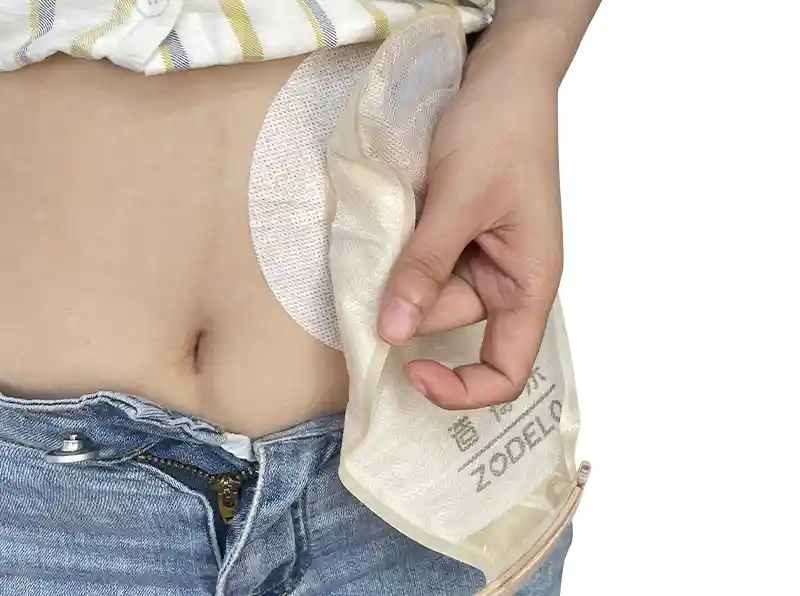
2. Maintain good sealing performance
When the skin does not fully adhere to the underbody, this is the most likely to cause leakage and injury. Stains, hair or water on the base or skin can also lead to poor adhesion and easy detachment of the base. The selected chassis does not match the stoma site. The skin has wrinkles or scars, which fail to form a seal with the chassis, resulting in the leakage of unpleasant odors.
3. Replace and clean the ostomy bag in a timely manner
If the ostomy bag is not replaced or cleaned for a long time, the excrement and excreted gas inside the bag may mix and ferment, resulting in a stronger odor. It will also cause the bag body to become heavy, pulling on the skin or causing the bag to swell and leak.
3.1. According to the type of bag:
- One-piece ostomybags are generally replaced every 1 to 3 days.
- The two-piece ostomy bagbase can be adhered to the skin and used for 3 to 5 days. The bag body can be changed according to your own replacement habits and excretion frequency.
- The drainable ostomybag usually needs to be emptied when more than half of the excrement inside.
- The closed ostomy bagis for single use only. Once the excrement inside is full, it needs to be replaced with a new one immediately.
3.2. According to the type of colon:
- Colostomy:Patients with colostomy usually have solid stools and need to empty them 2 to 3 times a day.
- Ileostomy: Patients with ileostomy usually have loose stools and need to empty them 4 to 8 times a day.
- Urostomy:Patients with urostomy only urinate, but they need to be cautious to prevent backflow and should empty their urine every 2 to 4 hours.
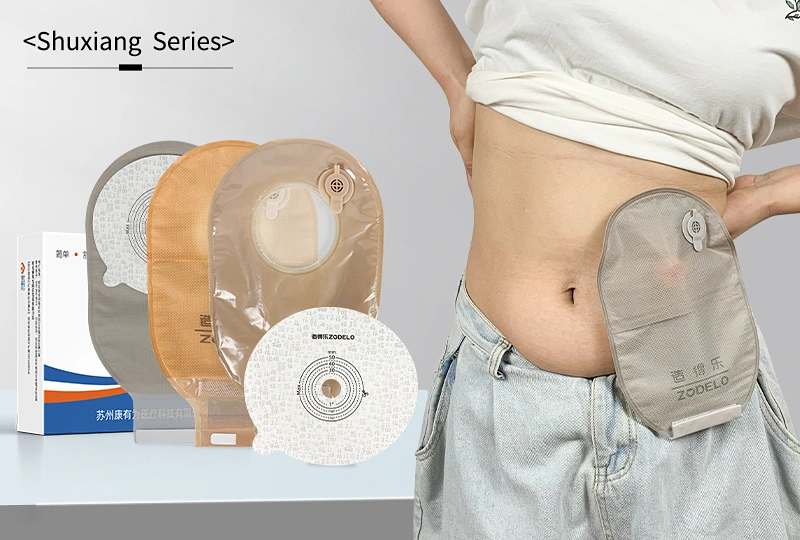
4. Diet for stoma patients
The smell of excrement and exhalation gas is closely related to dietary habits. Therefore, patients with stoma should pay attention to their diet in daily life.
- Avoid eating foods with strong odors:Onions, garlic, bean products, eggs, etc.
- Avoid eating foods and beverages that easily produce gas, such as carbonated drinks, beans, cabbage, etc.
- Avoid consuming beverages that can easily irritate the stomach and intestines and increase flatulence, such as coffee and alcohol.
- It is recommended to consume foods that can reduce intestinal odor: yogurt, acidic fruit juice, parsley, etc.
- It is recommended to consume foods that reduce flatulence: rice, bananas, apple puree, etc.
5. Use deodorizing products with ostomy bags
There are numerous deodorizing products available on the market at present, all of which can effectively and quickly remove odors. We can use them in combination with ostomy bags.
- Activated carbon filtration system:You can choose some bags equipped with an activated carbon filtration system. The activated carbon inside can effectively filter gases and adsorb odors.
- Deodorizing drops:Deodorizing drops can break down odor molecules and effectively remove odors. A few drops of deodorizing drops can be added to the bag before each replacement or emptying to quickly decompose the odor.
- Deodorizing spray:Deodorizing spray can absorb odors in the air. You can spray some deodorizing spray after each replacement or emptying of the ostomy bag or before going out for social activities to avoid the embarrassing problem of odors.
- Zodelo ostomybag products: Made of PVDC material, with a seven-layer anti-odor and anti-seepage membrane structure and an activated carbon filtration system. The design perfectly fits the human body, with extremely strong sealing and odor-blocking properties. It is invisible and comfortable, helping every stoma patient live confidently and comfortably.
6. Keep the skin clean and healthy
If the area around the stoma remains damp for a long time or is contaminated, it may cause skin irritation, redness and swelling, infection and ulceration, and thus lead to an unpleasant odor problem.
- When changing the stoma bag, stoma powder can be used in combination to keep the skin dry and better care for it.
- Clean your skin with warm water or a wet wipes free of alcohol and fragrance.
- Avoid using bath or cleaning products that contain fragrance, alcohol or other ingredients.
- After cleaning, make sure to wait until the skin is completely dry before applying the base plate.
- If there are serious problems such as ulcers, itching and exudation on the skin, one should go to the hospital for treatment in time.
7.Eliminate psychological concerns
Many patients actually have no unpleasant smell on their bodies, but they always feel that they can smell it. This is actually a manifestation of psychological anxiety, an illusion caused by excessive worry that they will produce an unpleasant smell and affect others.
- We can replace or empty the bags in advancewhen we need to socialize or go out.
- It is necessary to use stoma auxiliary productssuch as sealing rings and sealing pastes in combination to reduce the possibility of leakage.
- Prepare deodorants and other products in advance to avoid the embarrassing problem of unpleasant odors.
- Communicatemore openly and honestly with relatives and friends to reduce psychological burden. Join the stoma patient group, exchange and share experiences, and reduce anxiety.
- Try to wear comfortable, breathable and soft clothes.Avoid clothes that are too hot and stuffy, causing the skin to become damp and sweat, or clothes that are too hard and constantly rub and squeeze to create bag
When to empty your ostomy bag?
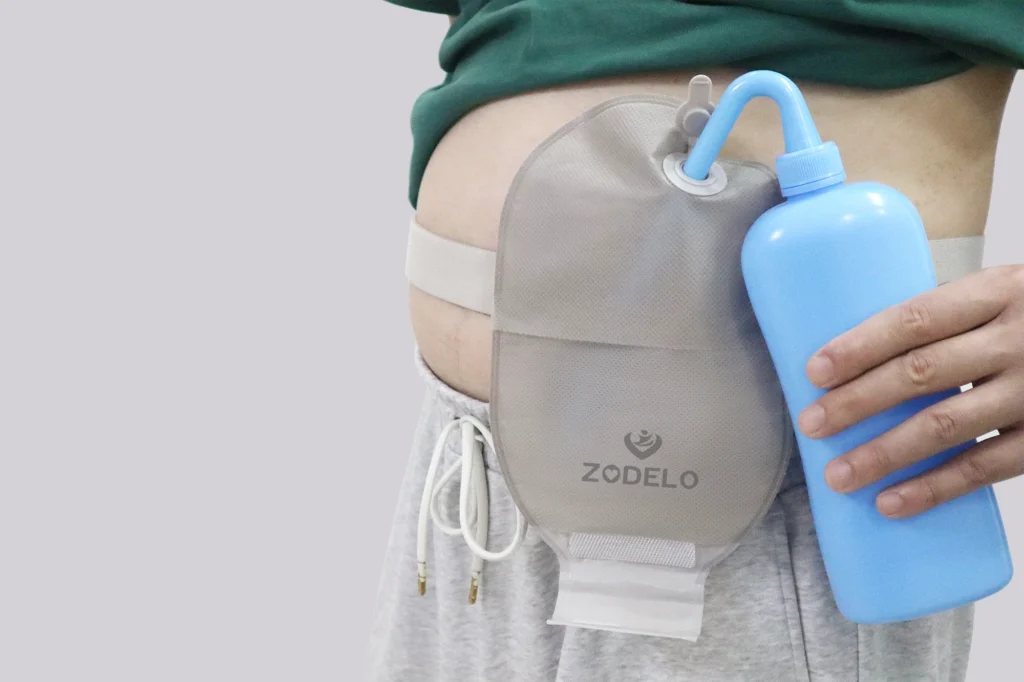
1. According to the type of bag:
- One-piece ostomybags are generally replaced every 1 to 3 days.
- Two-pieceostomy bag base can be adhered to the skin and used for 3 to 5 days. The bag body can be changed according to your own replacement habits and excretion frequency.
- The drainable ostomybag usually needs to be emptied when more than half of the excrement inside.
- The closed ostomy bagis for single use only. Once the excrement inside is full, it needs to be replaced with a new one immediately.
2. According to the type of stoma:
- Colostomy: Patients with colostomy usually have solid stools and need to empty them 2 to 3 times a day.
- Ileostomy: Patients with ileostomy usually have loose stools and defecate frequently, requiring 4 to 8 empties per day.
- Urostomy:Patients with urostomy only urinate, but they need to be cautious to prevent backflow and should empty their urine every 2 to 4 hours.
3.According to diet:
- Water intake:If the water intake is high, the frequency of discharge will also be higher; if the water intake is low, the frequency of discharge will be relatively lower.
- In terms of diet: Consuming foods that easily produce gas and stimulate the intestines to promote peristalsis will also increase the frequency of emissions.
Get the best ostomy bag supplies for your needs.
Choose high-quality Zodelo ostomy bags that can prevent odors and block smells. They are equipped with an activated carbon filtration system that can automatically adsorb and neutralize odors. The seven-layer anti-seepage membrane can effectively isolate odors. The soft and highly adhesive chassis can perfectly fit the joint, achieving super strong sealing performance and effectively avoiding leakage and odor problems.
At Zodelo, we offer a full range of bag products. such as: Airlora Series, Calmlora Series, Mellora Series, Joylora Series and Ostomy Product Accessories. These products are suitable for patients with all diseases and physical conditions. Zodelo has always been dedicated to professional ostomy care, aiming to enable all users to lead the most reassuring, comfortable and confident life. Get our product catalog
When to contact a ostomy doctor?
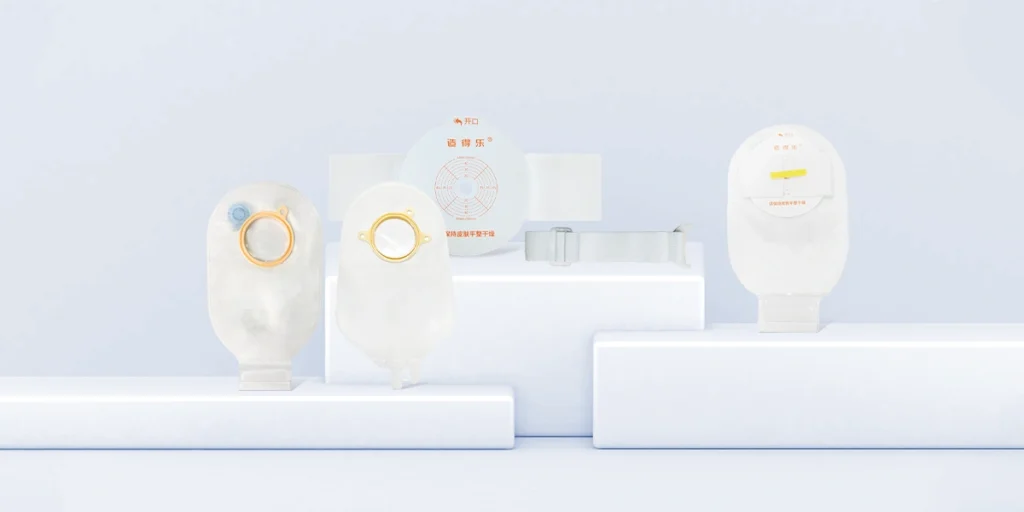
- When the color of the stoma turns purple, black or white, it can be a signal of blocked blood flow or necrosis, and medical attention should be sought promptly.
- When the stoma continues to bleed, it may be due to damage to the blood vessels or mucosa. If the bleeding persists or is heavy, medical attention should be sought promptly.
- When the skin at the stoma has a severe odor, itching, ulceration and exudation, it may be caused by skin infection and medical treatment should be sought promptly.
- When the stoma retracts or protrudes significantly, it is necessary to go to the hospital immediately for further examination.
- When experiencing abdominal distension, nausea, vomiting or cessation of defecation, it may be due to intestinal obstruction or stoma stenosis, and surgical intervention at the hospital is required.
Faq About Preventing Ostomy Smell
Q1. What foods make colostomy bags smell?
- Sulfur Foods: Onions, garlic, eggs, cabbages, etc., will produce a smell similar to rotten eggs.
- Legumessuch as soybeans and chickpeas tend to ferment and produce gas in the intestines and have a strong odor.
- High-protein foods:fish, shrimp, shellfish, etc. Protein decomposition produces ammonia gas, which has a strong and unpleasant smell.
- Beverages:Carbonated drinks, alcohol and other carbonated drinks tend to release more gas more easily. Coffee, tea and the like can easily stimulate intestinal peristalsis and produce more gas.
Q2. Can people smell your colostomy bag?
Generally speaking, it won’t.
As long as the replacement and care operation is correct and the fit and sealing are good, others won’t smell the odor of the ostomy bag. Many modern ostomy bags, such as Zodelo, adopt multiple leakage and odor isolation technologies, which can completely prevent odors from escaping into the air. Most ostomy bags are equipped with activated carbon filtration systems, which can effectively adsorb odors and neutralize gases, preventing bag swelling and odor problems.
Q3. How often do you need to change an ostomy bag?
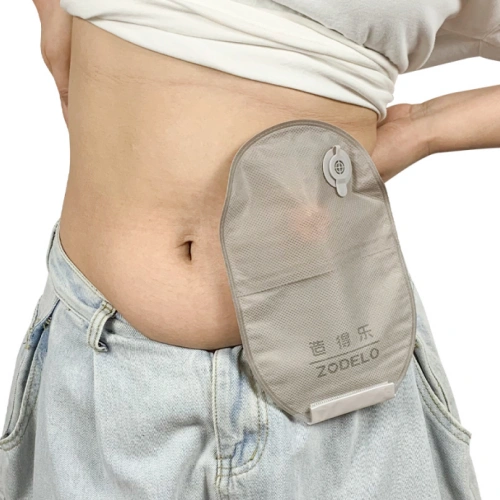
- Single-piece ostomy bag: The base and the bag body cannot be separated. It is generally recommended to replace it every 1 to 3 days.
- Two-piece ostomy bag: The base and the bag body are separated. The base can be adhered to the skin for multiple uses and can last for 3 to 5 days. The bag body can be replaced separately as needed.
- Drainable ostomy bags: The replacement frequency depends on the patient’s own condition. Generally, more than half of the excrement inside the bag needs to be emptied.
- Closed ostomy bag: For single use only. When the bag is full of excrement, it needs to be replaced immediately with a new one.
Q4. What products are available to help control or eliminate ostomy odor?
- Activated carbon filtration system:You can choose some bags equipped with activated carbon filtration systems. The internal activated carbon filtration system can effectively filter gases and adsorb odors.
- Deodorizing drops: Deodorizing drops can break down odor molecules and effectively remove odors. A few drops of deodorizing drops can be added to the bag before each replacement or emptying to quickly decompose the odor.
- Deodorizing spray:Deodorizing spray can absorb odors in the air. You can spray some deodorizing spray after each replacement or emptying of the ostomy bag or before going out for social activities to avoid the embarrassing problem of odors.
- Sealing rings and sealant: They can help the chassis adhere better to the skin, enhance sealing performance, and reduce the possibility of leakage and odor.
- Zodelo ostomy bag products: Made of PVDC material, with a seven-layer anti-odor and anti-seepage membrane structure and an activated carbon filtration system. The design perfectly fits the human body, with extremely strong sealing and odor-blocking properties. It is invisible and comfortable, helping every stoma patient live confidently and comfortably.

Conclusion — Guide To Prevent Ostomy Bag Smell
Ostomy Bag Smell is a very normal and common situation. Ostomy patients do not need to be overly anxious or self-abased. As long as you master the emptying method and stoma care techniques scientifically and normally, you can not only effectively control and avoid unpleasant odors, but also enjoy a fresher and more confident life.
Zodelo will always be by the side of every ostomy user, providing you with the most comfortable, safe and reassuring ostomy care. With our technology and warmth, we enable every user to enjoy a quality life.
If you have any needs, please feel free to contact us or get our product catalog.
More resources:
- Adjusting to Life With an Ostomy Bag: What To Expect— clevelandclinic
- Colostomy— NHS
- Caring for a Colostomy— org
- Changing your ostomy pouch—Mgov

Top 10 Colostomy Bag Manufacturers In India 2026
top 10 colostomy bag

Top 10 Stoma Bag Suppliers Uk 2026
Top 10 Stoma Bag Sup

The Ultimate Guide To Sex With A Colostomy Bag
The Ultimate Guide T

Top 10 Colostomy Bag Manufacturers And Suppliers In China 2026
Top 10 Colostomy Bag