

Difference Between J Pouch And Colostomy
Table of Contents
When patients have colon or rectal diseases and need to have their intestines surgically removed, they may face the dilemma of choosing between J Pouch and Colostomy. The Difference Between J Pouch And Colostomy lies in the significant differences in their principles, applicable populations, and subsequent influences.
Whether it is J-Pouch or Colostomy, both can help patients re-establish their excretion channels. But it is crucial to understand the Difference Between J Pouch And Colostomy, which is related to the recovery and health of patients. Zodelo has always been by the side of every patient, not only providing high-quality colostomy bag products and ostomy care, but also offering the latest knowledge and popular science about ostomy care. This article will introduce to you in detail the Difference Between J Pouch And Colostomy.
What is a J-pouch?
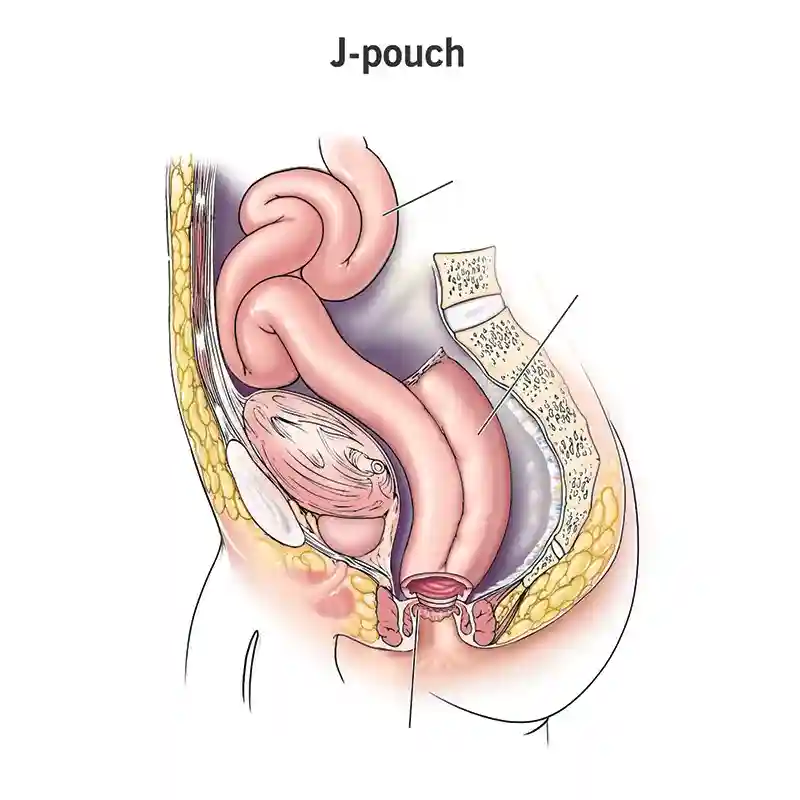
To understand the difference between j pouch and colostomy, one must first understand what is a j pouch?
J-pouch, scientifically known as Ileal pouch-anal Anastomosis, IPAA. It is a surgical operation that reconstructs a new rectum using the patient’s own terminal ileum. When a patient has colonic lesions or damage, the intestines and rectum need to be removed. At this point, the doctor will fold the end of the patient’s small intestine into a “J” -shaped bag to store feces, which will then be discharged through the anus. This can replace the original defecation function of patients after intestinal resection and avoid various complications after the use of a stoma and the creation of a stoma using a stoma bag.
J-pouch usually requires two to three stages to complete. The surgery is rather complex and the recovery time is long. However, the J-pouch can help patients continue defecating without relying on the colostomy bag, maintaining their self-esteem and confidence.
1. Who is the J-pouch for?
- Patients with ulcerative colitis
This accounts for the majority of patients undergoing J-pouch surgery.
Consider when drug treatment is ineffective or there is a risk of cancer.
- Patients with colorectal adenomatous polyposis (FAP)
There are a large number of polyps in the colon and rectum, and the risk of canceration is high. It is necessary to preventively remove the large intestine and retain the natural anus for defecation.
- Some postoperative patients with colorectal cancer
Under the premise of ensuring the safe resection of cancerous tissues, partial ileal pouch reconstruction can be performed.
- Those whose conditions permit:
Patients with good anal sphincter function.
Patients without small intestinal inflammation, radiotherapy injury or pelvic infection.

2. Benefits of J-pouch
To correctly understand the difference between j pouch and colostomy, it is also necessary to know the Benefits of j-pouch J type storage bag. It mainly consists of the following five aspects:
- Not dependent on colostomy bag
Patients can defecate naturally through the anus without the need for a stoma or colostomy bag. Anal defecation becomes simpler and more convenient, and daily life is more comfortable and natural. It can alleviate psychological pocket-making anxiety and inferiority complex.
- Boost confidence
No longer need to worry or be anxious about the impact of wearing the colostomy bag on your image. You will be more confident in your daily social interactions. There is no need to worry about the leakage and unpleasant smell of the colostomy bag either. Daily activities, travel and sports have become more convenient, natural and comfortable. At the same time, there is no need to worry about the problem of clothing squeezing or exposing the colostomy bag.
- The defecation function has improved
The small intestine will gradually adapt to the function of storing feces and urine, and the defecation function will continuously improve.
Most patients can maintain normal daily defecation after the operation and have the ability to control their bowel movements.
- Reduced complications
There will be no complications of the stoma, such as stoma prolapse, retraction, stenosis, hernia or bleeding, etc.
There will be no leakage or unpleasant smell of the colostomy bag.
There will be no skin problems around the stoma, such as skin allergies, redness, swelling, itching, and ulceration
- Reduced nursing costs
There is no need to purchase a large number of colostomy bags and ostomy accessories products. At the same time, it avoids complications of the stoma and the skin around the stoma, reducing the cost of stoma care and treatment.

Downsides of J-pouch
To correctly understand difference between j pouch and colostomy, it is also necessary to know Downsides of J pouch. It mainly consists of the following five aspects:
- Frequent defecation
In the early postoperative period, patients may experience frequent defecation, missed stools and inability to control the urge to defecate.
- Complication pouchitis
Most patients may have the complication pouchitis of J-pouch. pouchitis is usually characterized by diarrhea, abdominal pain, fever and weakness, etc.
- Poor nutrient absorption capacity
The small intestine takes over the function of storing feces from the colon, and some patients may have mild dehydration problems.
- Long recovery period
J-pouch usually needs to be completed in two to three stages. The operation is rather complex and the recovery time is long.
- Some people are not suitable for J-Pouch
It is not suitable for everyone, such as those with poor rectal sphincter function or severe intestinal inflammation. It is necessary for professional doctors to conduct an assessment and formulate a specific treatment plan to determine whether the J-pouch surgery can be performed.
What is a Colostomy?
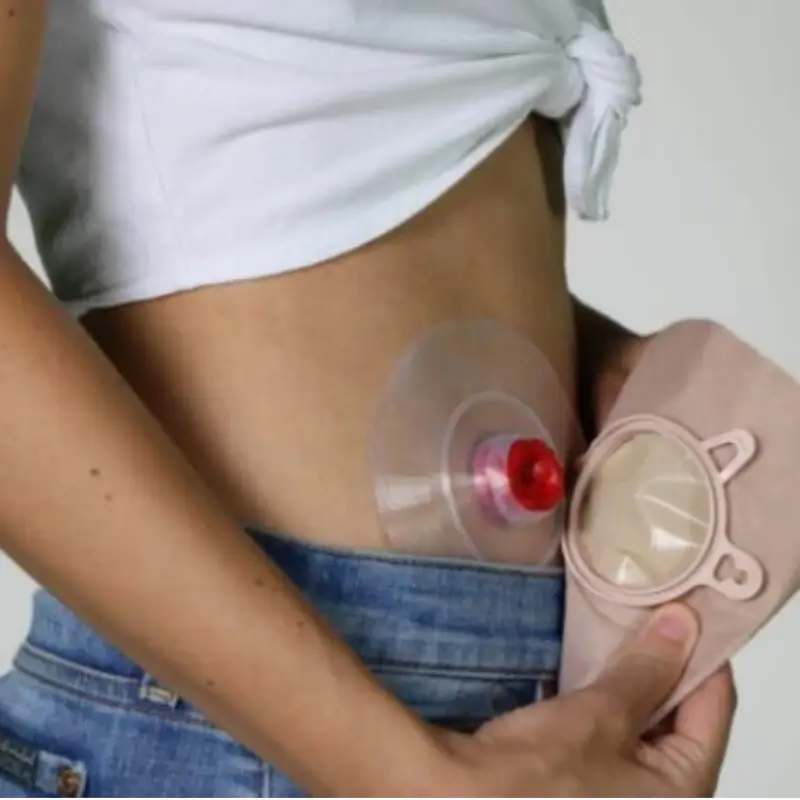
To correctly understand “difference between j pouch and colostomy”, one should know what Colostomy is. Colostomy is a surgical procedure that creates a stoma in a patient’s abdomen. Due to inflammation, cancer or damage in the intestinal or anal area, the device needs to be removed or temporarily avoided. The doctor will remove a part of the patient’s colon from the body and attach it to the abdominal wall, which is called a stoma. Feces and urine are excreted through the stoma and enter the colostomy bag.
1. Who needs Colostomy?
The difference between j pouch and colostomy lies in the different patient populations. The following five diseases require colostomy.
- Colorectal cancer:Colorectal cancer can cause intestinal stenosis or even complete obstruction, and the diseased part of the rectum needs to be removed.
- Inflammatory bowel disease:such as Crohn’s disease and ulcerative colon cancer, these diseases can cause repeated inflammation, ulcers and even perforation of the stomach and intestines. colostomy is needed to prevent excrement from irritating the intestines.
- Intestinal obstruction:If acute intestinal obstruction caused by inflammation or tumor temporarily makes the patient’s intestine unusable, a temporary colostomy needs to be made and a temporary colostomy bag should be used to prevent intestinal perforation.
- Intestinal damage caused by trauma: such as car accidents, knife wounds, gunshot wounds, etc., to prevent the injured area from being further contaminated and deteriorated. colostomy is needed to help the damaged area heal better.
- Congenital megacolon:Born lacking intestinal ganglion cells, the intestines cannot peristalsis and digest normally, and feces cannot be excreted from the body normally. The colon segment innervated by the nerve needs to be removed to restructure the intestine, and this also requires colostomy to relieve intestinal dilation and obstruction.
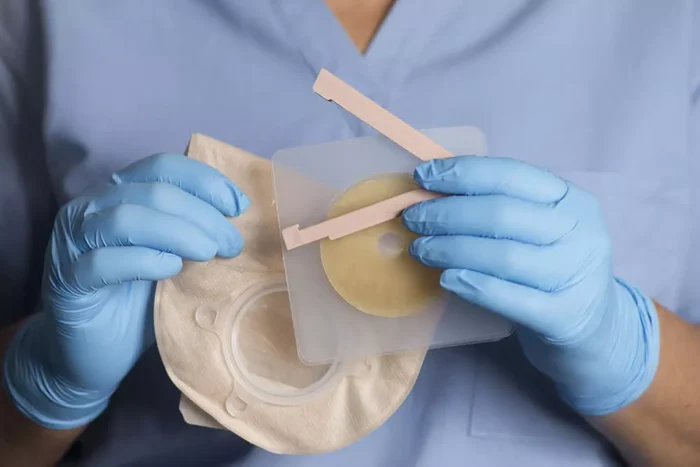
2. Benefits of Colostomy
To correctly understand difference between j pouch and colostomy, it is also necessary to know Benefits of Colostomy. It mainly consists of the following four aspects:
- Sustain life
Colostomy can allow the affected area to rest and heal, while taking over the original defecation function, preventing infection, intestinal rupture or poisoning, and maintaining the patient’s life. In colorectal cancer surgery, Colostomy can create conditions for radiotherapy and chemotherapy and improve survival rates.
- Restore the defecation function
Colostomy can create a stoma in the patient’s abdomen to discharge excrement, replacing the original defecation function and allowing them to resume a normal life.
- Reduce infections and complications
For patients with severe intestinal inflammation or trauma, a temporary stoma can allow the affected area to rest and heal, preventing the spread of infection.
- Improve the quality of life
The colostomy bag can collect excrement and prevent it from being contaminated. At the same time, protect the skin around the stoma to prevent leakage and odor. Effectively enhance the quality of life and comfort of patients. Enhance patients’ confidence and freedom of movement.
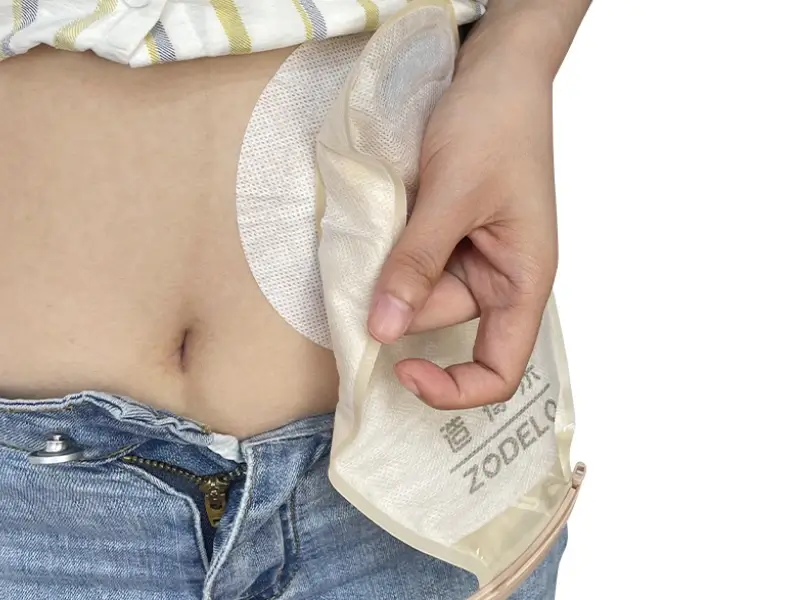
3. Downsides of Colostomy
- Stoma care issues
In the early stage after Colostomy surgery, patients need to choose the most suitable colostomy bag for themselves. And learn how to replace the empty colostomy bag, clean the skin correctly and observe the stoma.
There may be problems such as leakage, odor and allergy when using the colostomy bag.
- Psychological and social impacts
Some patients may feel anxious, inferior and other psychological emotions because they need to wear the colostomy bag all the time.
When out, the leakage or odor problem of the colostomy bag may make patients feel embarrassed.
- Complications
Stoma may develop complications such as stoma prolapse, retraction, stenosis, hernia or bleeding, etc.
Leakage of the stoma bag may cause irritation, redness, swelling and infection of the skin around the stoma.
What is the Difference Between J Pouch And Colostomy
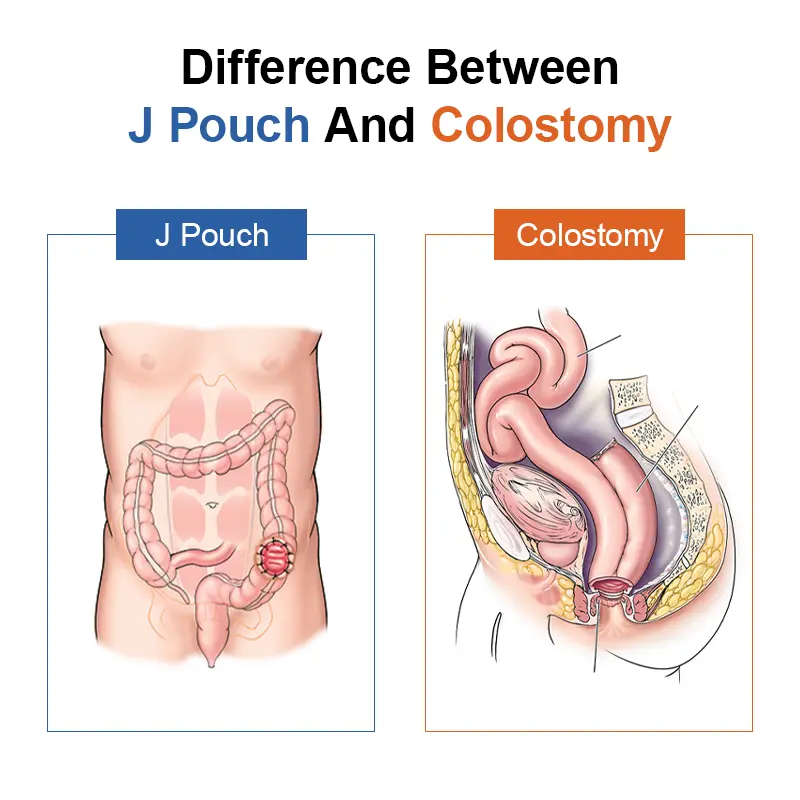
To understand the difference between j pouch and colostomy, there are mainly the following six aspects:
1. Surgical principle
The surgical methods and principles are the greatest difference between j pouch and colostomy.
- The J-pouchis to fold the end of the patient’s small intestine into a “J” -shaped bag and connect it to the anus. The “J” -shaped bag is used to store feces, which are discharged from the anus.
- Colostomypulls the patient’s colon out of the abdominal wall and creates a new opening in the patient’s abdomen, which is called a stoma. Feces are excreted through the stoma and enter the colostomy bag.
2. Applicable diseases and population
- J-Pouch is applicable to diseasessuch as ulcerative colitis, colorectal adenomatous polyposis (FAP), colorectal cancer, etc.
- Colostomy is applicable for diseasessuch as colorectal cancer, Crohn’s disease, intestinal perforation, severe intestinal trauma, rectal sphincter dysfunction, pelvic floor disorders, etc.
- J-Pouch is suitable foryoung, healthy and highly resilient patients.
- Colostomy is suitable for all age groups, especially the elderly or patients with chronic diseases who have weak resilience.
3. Frequency and control of bowel movements
- J-Pouch: On average, defecation occurs 5 to 7 times a day. Some patients may have mild leakage of stool. The frequency of defecation is related to diet and food intake.
- Colostomy:No toilet concept. Just replace and empty the colostomy bag. Generally, when the excrement in the drainable colostomy bag reaches half, it needs to be emptied in time. One-piece colostomy bag is generally replaced every 1 to 3 days. The two-piece colostomy bag wafer can be adhered to the skin for an additional 3 to 5 days, and the colostomy bag body needs to be replaced separately.
4. Lifestyle and daily activities
- J-Pouch:Excretion through the anus. Most patients have frequent defecation and need to tolerate occasional leakage. Patients should pay attention to their diet and have a regular diet to avoid diarrhea. The patient can go out for normal exercise and travel.
- Colostomy:Feces are discharged through the stoma and collected in the colostomy bag. Patients need to empty their colostomy bags regularly and replace them correctly. Regularly check whether the stoma condition is in good contact with the chassis. The patient can go out for normal activities, but it is necessary to prepare sufficient colostomy bags and stoma care accessories.
5. Mental journey
- J-Pouch:It retains the natural defecation function of the anus, but patients need to constantly worry about frequent defecation and leakage.
- Colostomy: In the early postoperative period, patients may have concerns and worries about the impact of wearing the colostomy bag on their own image. And the discomfort and anxiety about replacing and emptying colostomy bags. At the same time, there will also be concerns about leakage and unpleasant odors of the colostomy bag. However, with long-term operation and habit, patients will gradually regain their confidence, become proficient in operation, and lead a more confident, free and comfortable life.
How do you empty a J-pouch?
The J-Pouch is a “J” -shaped fecal storage bag formed by folding the patient’s own small intestine and is connected to the anus. Replace the original defecation function. When the patient’s J-pouch is filled with feces, they go to the toilet for excretion just like normal excretion. Most patients can establish a regular bowel movement pattern within 3 to 6 months after the operation.
However, it should be noted that patients need to avoid excessive straining or prolonged defecation to prevent damage to the health of the pelvic floor.
It can gently contract the abdominal muscles to help with excretion.
How do you empty colostomy bag?
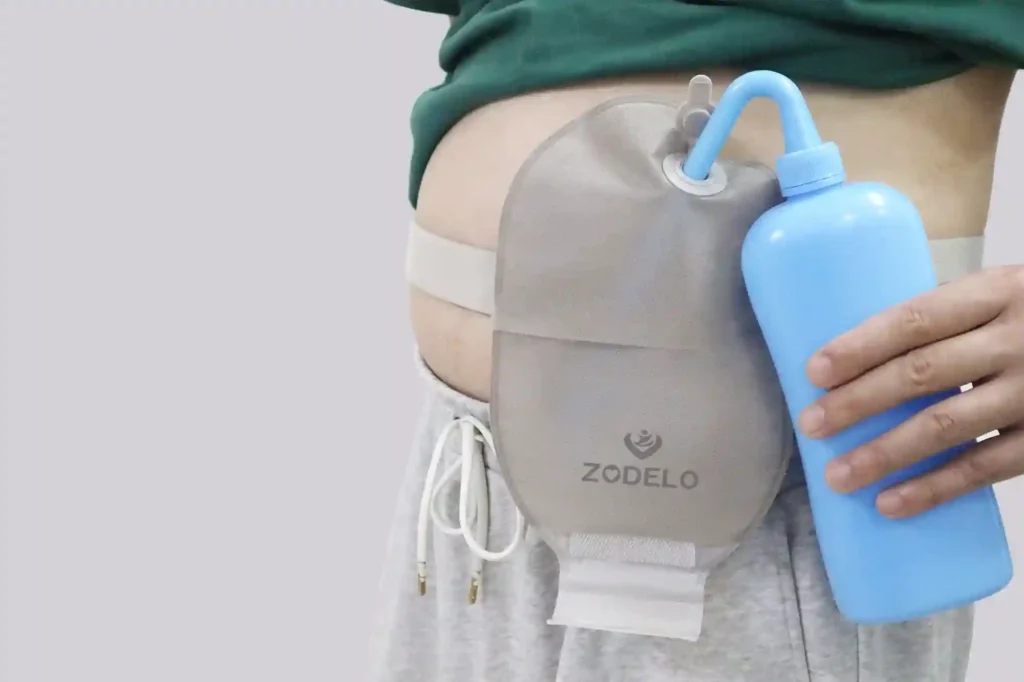
To correctly understand the difference between j pouch and colostomy, it is also necessary to know how to correctly empty the colostomy bag.
- Prepare the necessary items: a new colostomy bag body, wet wipes or tissues, and a toilet or potty
- Step 1: Wash your hands thoroughly and choose a bright and clean place to empty them.
- Step 2: Align the bottom opening of the colostomy bag with the toilet or potty.
- Step 3: Slowly open the drain outlet at the bottom of the colostomy bag, close to the edge of the toilet or potty to prevent splashing.
- Step 4: Gently press the colostomy bag body with your hand to help it empty more smoothly and comprehensively.
- Step 5: Rinse the colostomy bag with water to clean the inside of the bag and keep it clean.
- Step 6: Clean the opening at the bottom of the colostomy bag and close the bottom clip or Velcro. Check if it is sealed firmly to prevent any residue from seeping out.
What Should I Expect After J-Pouch Surgery?
1. Recovery period:
- Within six weeks after the operation: Use a temporary stoma for defecation. There may be problems such as bloating and diarrhea. It is necessary to maintain adequate nutrition and hydration to promote the recovery of the small intestine.
- 6-12 weeks after the operation: Close the temporary stoma and use J-Pouch for defecation. There may be frequent defecation.
- Three months after the operation: The amount of feces stored in the J-Pouch gradually increased, and the frequency of defecation decreased. J-Pouch gradually stabilizes and returns to normal.
2. Regarding diet:
- Try to consume easily digestible and low-fiber foods after the operation.
- Avoid spicy foods and carbonated beverages such as coffee.
- Try to keep a regular diet and sleep schedule.
- It is recommended to consume 2.5 liters of water every day.
3. Daily activities
- Normal activities can be resumed after three months, but heavy physical labor should be avoided.
- It is recommended to start pelvic floor muscle training three months later to better improve the ability to control bowel movements.
- Regularly check the function of the storage bag to maintain good water and nutrient intake.

Faqs About Difference Between J Pouch And Colostomy
Q1. How will I know if my J-pouch is failing?
Although most patients can maintain good Pouch function for a long time after the operation, a small number of them may experience Pouch Failure. This is also one of the differences between j pouch and colostomy.
Although most patients can maintain good Pouch function for a long time after the operation, a small number of them may experience Pouch Failure. This is also one of the differences between j pouch and colostomy.
Clinical Picture | Possible reasons | Suggested measures |
Sudden increase in the frequency of defecation (more than 10 times per day) | Pouchitis or infection | Seek medical attention immediately. Antibiotic treatment is usually required |
Defecation is accompanied by a strong sense of urgency or pain | Inflammation or spasm of the storage bag | Avoid irritating foods and take medicine as prescribed by your doctor |
There is blood or increased mucus in the stool | Inflammation or anastomotic ulcer | Endoscopic examination was conducted for a confirmed diagnosis |
Persistent abdominal distension and difficulty in defecation | anastomotic stricture outlet of the storage bag | Expansion or surgical repair may be required |
Frequent leakage and incontinence at night | Sphincter fatigue or pelvic floor dysfunction | Rehabilitation training or physical therapy |
General weakness, fever and weight loss | Chronic colostomy bag inflammation or small intestinal absorption disorder | Systematic treatment and nutritional intervention are required |
Q2. What to do when colostomy bag keeps leaking?
- Measure the diameter of the stoma:At the same time, remeasure the diameter of the stoma, cut the chassis and make sure the opening size is 1-2mm larger than the stoma size. Replace the colostomy bag.
- Use ostomy accessories products:such as leak-proof rings and leak-proof pastes, to make the adhesive base have a higher degree of adhesion to the skin, stick more firmly and have stronger sealing performance.
- Change to a more suitablecolostomy bag for yourself: You can contact a professional doctor and, based on your specific condition and living habits, modify the colostomy bag style or choose a more adhesive base
- Increase the frequency of replacement:Avoid leakage due to the bag being too full of contents.

Conclusion - Difference Between J Pouch And Colostomy
Whether it is J-Pouch or Colostomy, the aim is to help patients excrete normally. But only by accurately understanding the Difference Between J Pouch And Colostomy can one correctly choose the most suitable surgical and nursing methods for oneself. J-Pouch and Colostomy can not only help patients return to a normal life, but also are important tools for patients to lead a confident and comfortable life.
Zodelo is well aware of the significance of J-pouch And Colostomy to patients. Therefore, in this article, we will introduce the Difference Between J Pouch And Colostomy in detail for you. Zodelo not only offers a comprehensive range of high-quality colostomy bag products, but also provides the most considerate ostomy care and companionship. If you have any questions or needs, please contact us immediately or get our product catalog.
More Resouses:
- J-Pouch Surgery– my.clevelandclinic
- Comparison of long-term outcomes of S and J pouches and continent ileostomies in ulcerative colitis patients with restorative proctocolectomy-experience in subspecialty pouch center– pubmed
- J-Pouch Surgery– crohnscolitisfoundation
- Twists And Turns Of J-Pouch Recovery– ostomy.org

Top 10 Colostomy Bag Manufacturers In India 2026
top 10 colostomy bag

Top 10 Stoma Bag Suppliers Uk 2026
Top 10 Stoma Bag Sup

The Ultimate Guide To Sex With A Colostomy Bag
The Ultimate Guide T

Top 10 Colostomy Bag Manufacturers And Suppliers In China 2026
Top 10 Colostomy Bag