

Male Colostomy Bag Celebrities
Table of Contents
Do you know any famous men who use colostomy bags? After colostomy surgery, there are many changes to one’s lifestyle that require adjustment. These changes often have a negative impact on mental health. In such circumstances, people are naturally curious about which public figures have undergone colostomy surgery.
For some patients, learning that famous people have had similar experiences may offer comfort and help them regain the confidence to face life.
So, let’s take a look at some celebrities who wear ostomy bags.
Quick Answer: Which Male Celebrities Have Had A Colostomy Bag?
| Celebrity | Profession | Ostomy Experience | Impact |
|---|---|---|---|
| Rolf Benirschke | NFL Player | Ulcerative colitis and ostomy surgery | Returned to professional sports |
| Blake Beckford | Fitness Model | Crohn’s disease and ostomy journey | Inspired body confidence |
| Al Geiberger | Professional Golfer | Ileostomy surgery and recovery | Continued competitive golf |
| Fred Hill | NFL Player | Crohn’s disease and digestive surgery | Promoted active living after surgery |
| Damon Little | Gospel Artist | Shared childhood ostomy experience | Supported ostomy awareness |
| Matthew Perry | Actor | Emergency intestinal surgery recovery | Raised awareness of digestive health |
Famous Male Celebrities Who Have Shared Their Ostomy Experiences
1. Rolf Benirschke
Background
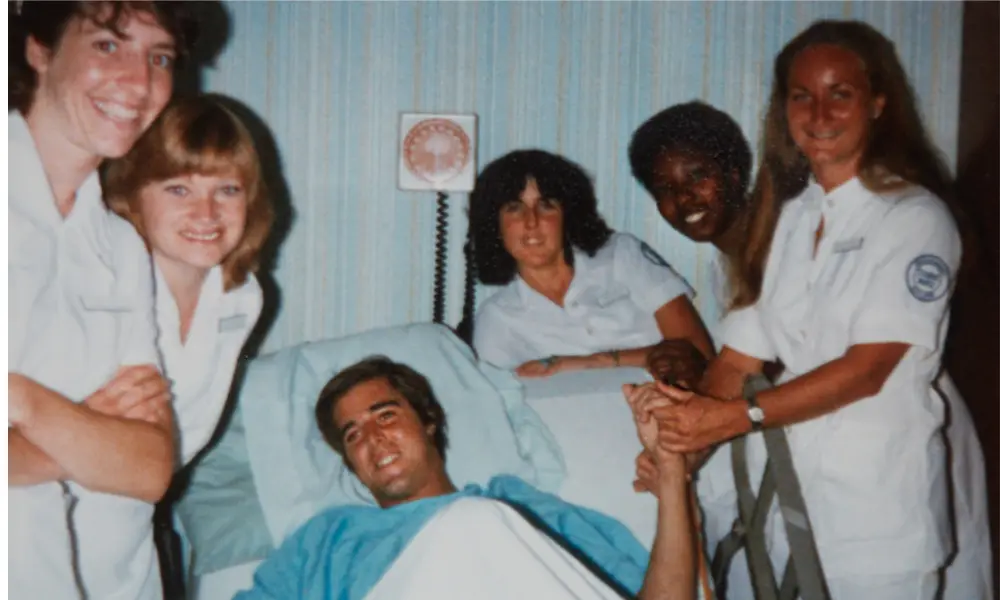
Rolf Joachim Benirschke was born on February 7, 1955, in Boston, Massachusetts. In 1977, he was selected by the Oakland Raiders in the 12th round of the NFL Draft and was subsequently traded to the San Diego Chargers, where he began his professional football career.
Medical Journey
Rolf’s career took a devastating turn in 1978. During the offseason, he began experiencing symptoms such as chronic fever, severe abdominal pain, and diarrhea, and was diagnosed with ulcerative colitis. He underwent emergency surgery to remove part of his colon, and when he awoke from the intensive care unit, he had to adapt to a life of wearing two ostomy bags for the rest of his life.
Life After Ostomy Surgery
With remarkable perseverance, Rolf miraculously returned to the NFL after his surgery and continued to play for seven more seasons, becoming the first professional player in league history to compete while wearing an ostomy bag. After retiring, he founded the “Grateful Patient Project” and published his autobiography, *The Great Comeback*, dedicating himself to helping ostomy patients rebuild their lives.
Why His Story Matters
In those days, Rolf proved through his return to the field that ostomy patients can still lead high-intensity careers and fulfilling lives. His story has brought hope to countless people with inflammatory bowel disease (IBD), encouraging them to let go of the stigma associated with their condition and overcome their illness.
2.Blake Beckford

Background
Blake Beckford is a bodybuilder and personal trainer from the United Kingdom. In 2003, his life took a dramatic turn—he was diagnosed with ulcerative colitis.
Medical Journey
In late 2012, Beckford’s condition deteriorated rapidly. To save his life, he underwent an ileostomy in October of that year, during which most of his damaged intestine was removed and a stoma was created in his abdominal wall to allow for waste elimination. Doctors made it clear to him that he would never be able to perform high-intensity weight training again.
Life After Ostomy Surgery
Faced with despair, Beckford did not give up. He set small goals for himself, starting with learning to walk again and gradually transitioning to Pilates and yoga to rebuild his core strength. Less than a year after his surgery, he competed in a British fitness competition.
Why His Story Matters
Beckford’s extraordinary journey offers tremendous inspiration to those struggling with serious health issues. Despite the common misconception that ostomy surgery spells the “end of a sports career,” he has proven through his actions that physical limitations do not define a person. He has not only regained his muscle mass but also rebuilt his inner confidence.
3.Al Geiberger

Background
Allen Lee “Al” Geiberger, born in 1937, is a legend in American professional golf. He won a total of 11 titles on the PGA Tour, including the 1966 PGA Championship.
Medical Journey
Prior to 1980, Geiberger suffered for many years from ulcerative colitis. This severe inflammatory bowel disease caused him to experience frequent bouts of diarrhea. In 1980, he underwent a total colectomy and ileostomy.
Life After Ostomy Surgery
The ostomy surgery cured Geiberger’s chronic condition and breathed new life into his career. After adapting to life with a colostomy bag, he went on to win 10 titles on the Senior PGA Tour. Geiberg openly shared the fact that he wore a colostomy bag.
Why His Story Matters
Geiberg’s story shattered societal prejudices. He proved to the world that physical changes do not deprive a person of their rights. He provided immense emotional strength to many ostomates.
4. Fred Hill

Background
Fred Hill is a legend in American college basketball. During his 36-year coaching career, he served primarily as head coach of the Rutgers University men’s basketball team, leading the team to 326 victories and becoming the coach with the most wins in the university’s history.
Medical Journey
In 2003, Hill was diagnosed with rectal cancer. To remove the tumor and save his life, he had to undergo a rectal resection, which left him with a permanent colostomy on his abdomen.
Life After Ostomy Surgery
Faced with the dramatic life changes brought on by ostomy surgery, Hill demonstrated remarkable resilience. Rather than retiring, he quickly returned to the coaching bench after his surgery. In the years that followed, he continued to lead the Rutgers University men’s basketball team in NCAA Division I competition until he officially announced his retirement in 2006.
Why His Story Matters
Fred Hill’s experience serves as an invaluable reference for male ostomates. He shattered the stereotype that “ostomates must leave high-pressure careers,” proving that a physical disability does not prevent a person from continuing to assume leadership responsibilities.
5. Matthew Perry

Background
Matthew Perry (1969–2023) was a renowned American actor who became a household name for his role as “Chandler Bing” in the classic sitcom *Friends*. From the age of 24, when he began appearing on the show, he struggled with alcohol and drug addiction for many years.
Medical Journey
In 2018, at the age of 49, Matthew suffered a ruptured colon due to long-term opioid abuse. Because his condition was extremely critical, he was forced to undergo a colostomy, wore a colostomy bag on his abdomen for nine months, and underwent a total of 14 stomach surgeries during his subsequent recovery period.
Life After Ostomy Surgery
This near-death experience and the ostomy surgery ultimately served as the catalyst for Matthew to completely overcome his addiction. His psychiatrist told him, “The next time you feel the urge to take OxyContin, just think about having to live with a colostomy bag for the rest of your life.” These words served as a wake-up call, and he gradually broke free from his drug dependence. The colostomy bag was removed nine months later.
Why His Story Matters
Matthew Perry’s story carries a powerful social warning and spiritual strength. Through his harrowing real-life experience, he has shown the world that addiction is an equal threat to everyone. He has bravely spoken publicly about the colon rupture and ostomy surgery caused by his substance abuse.
6. Damon Little

Background
Damon Little was born into a renowned musical family and began his singing career at the age of five as part of a family choir with his brothers and sisters. As an adult, he joined the vocal group Nu Beginning, whose albums *You Can’t Straddle the Fence* and *Do Right* received extensive airplay on gospel radio stations.
Medical Journey
Unlike many adults who undergo ostomy surgery later in life due to illness, Damon Little has had to live with an ostomy since his teenage years. Suffering from severe Crohn’s disease, he underwent an ileostomy in 1977. This long-term physical suffering, coupled with social isolation, caused him profound loneliness and psychological trauma—until he successfully underwent ostomy reversal surgery at age 13.
Life After Ostomy Surgery
This early experience with an ostomy became the core driving force behind Damon Litt’s music and life’s ministry. As an adult, he founded his own record label and released several powerful, inspirational singles. He turned his ostomy journey into the non-denominational inspirational song “Be Alright” and officially partnered with the United Ostomy Association of America (UOAA).
Why His Story Matters
Damon Litt’s story holds irreplaceable and profound significance for the ostomy community, especially for children and adolescents. He is not only a Grammy Award-winning, chart-topping singer but also a role model who has successfully transformed from an “ostomate” into a “life advocate.”
What Male Ostomy Patients Can Learn From These Celebrities?
1.Physical Identity Can Change, But Life Goes On
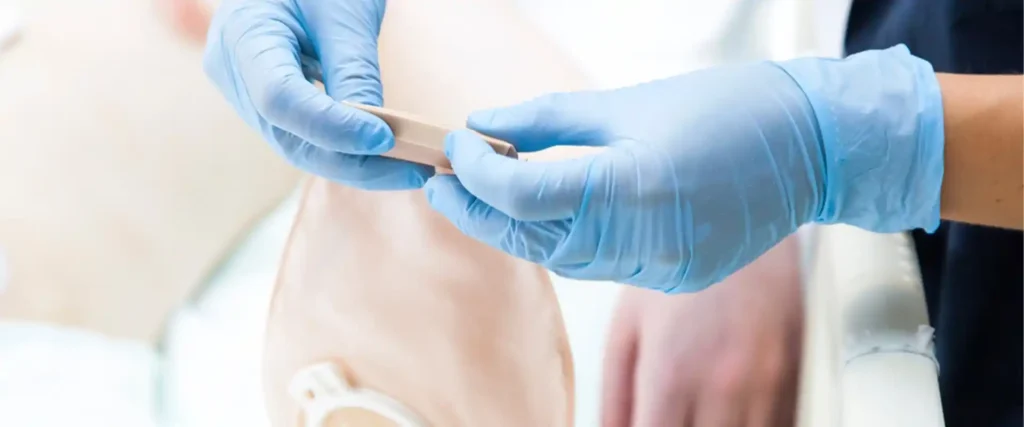
Male patients may be more sensitive to physical changes. However, the experiences of public figures show that physical changes do not have to stand in the way of living your life. Blake Beckford has said that ostomy surgery saved his life, and he is determined to prove to society that an ostomy does not change a person’s essence or make them “abnormal.”
2. Athletes Can Return After Ostomy Surgery
Having an ostomy doesn’t mean you can’t play sports; many athletes have returned to competition after surgery. Former NFL kicker Rolf Benirschke returned to the field after undergoing a total colectomy and ostomy surgery. Additionally, professional surfer Brittany Nicole continued to compete after her surgery.
3. Career and Public Life Are Still Possible
People with ostomies can still thrive in their careers and public lives. After retiring from football, Rolf Benirschke transitioned to a career as a television host and founded the “Gratitude for Patients” program. Less than a year after her surgery, Blake Beckford not only resumed her modeling career but also became a personal trainer and won the British Fitness Championship.
How We Selected These Celebrities?
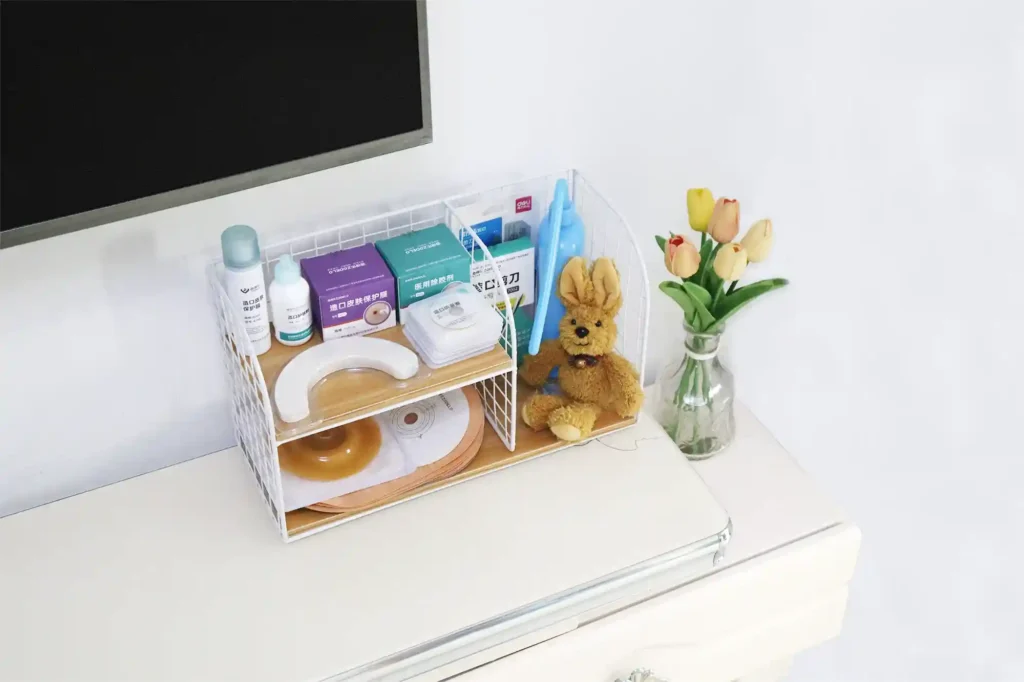
In selecting these public figures, we did not focus on their fame, but rather prioritized the authentic experiences and profound impact they demonstrated in the face of ostomy surgery and serious health crises. Our selection criteria centered primarily on the following three core dimensions:
- Representation and Diversity: Spanning multiple fields such as sports, entertainment, and media. Whether they are football players, fitness models, or TV hosts, they represent a range of ages, professions, and lifestyles.
- Authenticity in Overcoming Challenges: Each person we selected has genuinely faced the physical and psychological challenges brought on by ostomy surgery. They have shared their recovery journeys and coping strategies, offering valuable insights.
- Positive Advocacy and Social Impact: These individuals have transformed their personal experiences into a force for helping others. Through establishing foundations, giving public speeches, or writing books, they have provided substantial emotional support and professional guidance to countless patients.
Understanding Colostomy: Why Some Men Need A Colostomy Bag
What Is A Colostomy?
A colostomy is a surgical procedure that involves creating an opening in the colon to divert intestinal contents outside the body. Common reasons for men to undergo this procedure include colorectal cancer, inflammatory bowel disease, trauma, and congenital disorders.
Colostomy:A colostomy is a surgical procedure in which an opening is created in the colon so that stool can be expelled from the body without passing through the anus. During a colostomy, an opening (called a stoma) is created in the abdomen.
Common Reasons Men May Need A Colostomy
| Reason | Description |
|---|---|
| Colorectal Cancer | After tumor removal surgery, some patients may need a colostomy to restore bowel function and manage waste elimination. |
| Inflammatory Bowel Disease (IBD) | Conditions such as ulcerative colitis and Crohn’s disease may require a colostomy when severe inflammation or intestinal damage occurs. |
| Bowel Obstruction | A colostomy may help restore bowel passage when blockage prevents normal waste movement through the intestine. |
| Trauma | Severe abdominal injuries may require a temporary colostomy to protect damaged sections of the bowel during healing. |
| Diverticular Disease | Severe infections, perforation, or complications caused by diverticular disease may require colostomy surgery. |
| Congenital Conditions | Some patients with congenital bowel disorders may need a colostomy to support normal waste management. |
| Radiation Damage | Radiation-related intestinal damage may cause bowel dysfunction and require a colostomy to improve symptoms. |
Temporary vs Permanent Colostomy
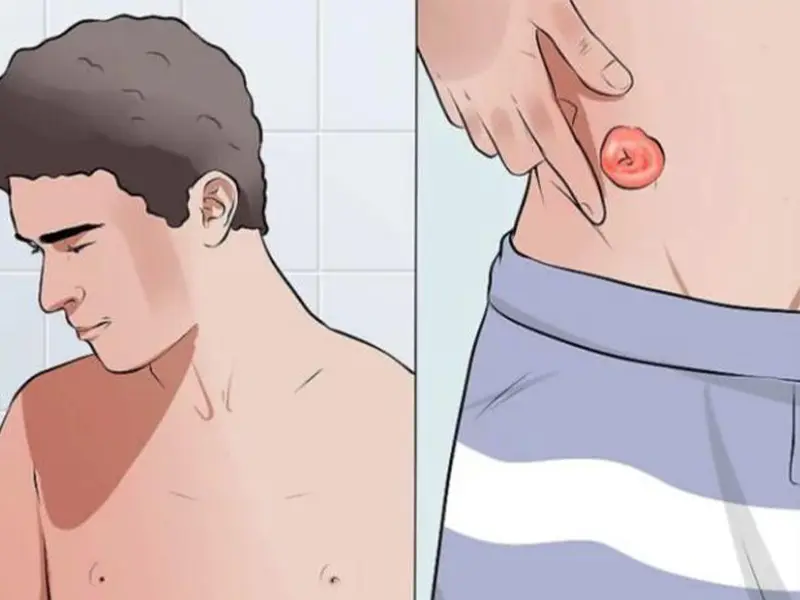
Colostomies can be classified as temporary or permanent, depending on the patient’s condition, the purpose of the surgery, and the likelihood of bowel recovery.
| Comparison | Temporary Colostomy | Permanent Colostomy |
|---|---|---|
| Definition | A stoma created for short-term treatment purposes and may be reversed in the future. | A long-term or lifelong stoma used when normal bowel function cannot be restored. |
| Main Purpose | Protect the healing bowel and reduce pressure on the surgical area. | Replace the bowel’s inability to perform normal waste elimination. |
| Common Reasons | Bowel surgery recovery, trauma, infection, or temporary intestinal conditions. | Colorectal cancer treatment, severe bowel diseases, or irreversible intestinal damage. |
| Can It Be Reversed? | May be closed through surgery after sufficient recovery and medical evaluation. | Usually cannot be reversed and requires long-term ostomy management. |
| Waste Elimination Method | Waste passes through the stoma temporarily until the bowel is restored and natural bowel movements may resume. | Waste is continuously collected through an ostomy bag connected to the stoma. |
| Care Requirements | Requires temporary ostomy care until the stoma is closed. | Requires lifelong ostomy care and long-term product management. |
| Psychological Adaptation Focus | Focuses on recovery, reversal expectations, and returning to normal activities. | Focuses on long-term lifestyle adaptation, confidence building, and quality of life. |
| Ostomy Bag Usage Period | Depends on recovery progress and may last several months or longer. | Requires long-term use of comfortable and reliable ostomy products. |
Can Men Live A Normal Life With A Colostomy Bag?
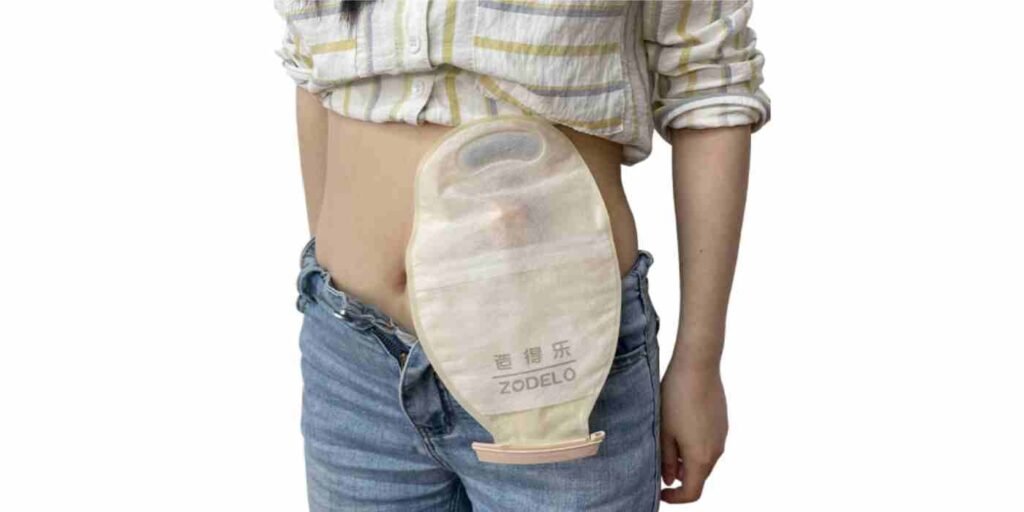
For many male patients, their first concern after ostomy surgery is not how to care for their stoma, but whether they will be able to live a normal life.
Returning to Work After Colostomy Surgery
Patients can return to work once they have recovered physically or after an evaluation by a medical professional. However, before returning to work, they must learn how to properly care for their stoma and develop good care habits. These include:
- Changing the stoma bag correctly
- Regularly checking the adhesion of the stoma baseplate
- Preventing leaks and skin irritation
Exercising With a Colostomy Bag
It is possible to exercise even with a colostomy. Following a doctor’s evaluation, many men can engage in:
- Walking
- Swimming
- Cycling
- Moderate strength training
During exercise, be sure to:
- Avoid sudden increases in abdominal pressure
- Ensure the colostomy bag is securely fastened
- Choose the right products based on the intensity of your activity
Traveling With a Colostomy Bag
In addition to work and exercise, you can also take long trips and travel abroad.
Recommendations before traveling:
- Bring enough spare colostomy bags
- Prepare skin protection supplies
- Plan your change schedule in advance
Maintaining Relationships and Intimacy
The psychological changes following surgery may require even more attention than the physical changes.
Some patients worry that physical changes will affect their relationships with family and friends. But in reality, you are still you, and having a stoma will not cause you to drift apart from them.
Good communication, self-acceptance, and the right ostomy products can help you regain your self-confidence.
Life After Colostomy Surgery: Recovery And Adaptation
Recovery after colostomy surgery involves more than just wound healing; it also includes your gradual adjustment to the function of your stoma, stoma care practices, and your new lifestyle.
The recovery process varies from person to person and can be divided into the following stages:
| Recovery Stage | Main Goal | Key Focus |
|---|---|---|
| Initial Post-op | Wound Healing & Adaptation | Monitor stoma, learn basic care, prevent leaks and skin irritation. |
| Months 1-3 | Master Ostomy Management | Change pouch independently, protect peristomal skin, adjust products. |
| Long-term Adaptation | Resume Normal Life | Return to work and social life, resume exercise and travel, build routines. |
| Ongoing Care | Enhance Comfort & Confidence | Optimize products for leak/odor control, build confidence, adapt to new lifestyle. |
Common Challenges Men Face After Colostomy Surgery
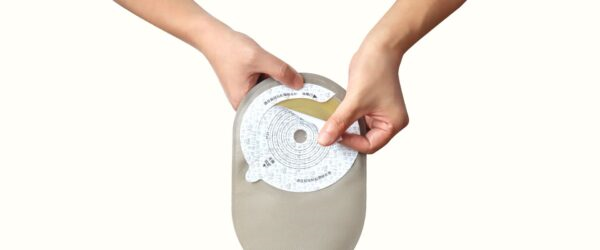
Preventing and Managing Ostomy Leakage
Leakage is a very common problem that troubles many patients. Some cases are caused by inaccurate ostomy measurements, adhesive affected by sweat and oils, or changes in the shape of the stoma in the early postoperative period.
Method: Re-measure the stoma size regularly. During care, ensure the skin is completely clean and dry, and select a baseplate design that matches the contours of the abdomen. After application, it is recommended to press down with a cupped palm for 3–5 minutes to activate the adhesive using body heat.
Skin Health Issues: Protecting Peristomal Skin
Some ostomates have very sensitive skin. Prolonged contact of the skin with digestive enzymes in stool can easily lead to irritant dermatitis.
Method: At each dressing change, ensure the stoma opening on the base plate precisely matches the stoma size (1–2 mm larger) to avoid exposing too much skin. First, use ostomy skin care powder to absorb excess moisture, then spray on a skin barrier to form a protective layer, and finally apply the base plate.
Tips: We particularly advise patients with abundant body hair to trim the hair around the stoma using small scissors or an electric trimmer rather than a razor. Shaving can easily lead to ingrown hairs and inflamed hair follicles; furthermore, the resulting stubble can puncture the hydrocolloid baseplate, causing leakage.
How Modern Colostomy Bags Improve Quality Of Life?
A:Hydrocolloid Skin Barrier
The hydrocolloid base is a crucial component of colostomy bags; it secures the bag to the abdomen and connects the stoma to the bag. It forms a stable protective barrier around the stoma to protect the surrounding skin. It maintains a secure seal during daily activities, bending over, and exercise.
B:Odor Control System
Odor is a problem that troubles many ostomy patients.
Colostomy bags use a multi-layer barrier membrane structure and incorporate either a vent or activated carbon pads; however, activated carbon pads vent slowly and are not particularly effective. We recommend using colostomy bags with vents, which can vent in three seconds.
C:Flexible Low-profile Design
In addition to safety features, modern ostomy pouches now emphasize ergonomic design to help patients adapt to their daily needs. This reduces the sensation of pulling during movement, minimizes friction between the pouch and clothing, and enhances long-term wearing comfort. It helps patients minimize the presence of the ostomy pouch, allowing them to choose their everyday clothing with greater freedom.
What Should Healthcare Providers And Distributors Look For In Colostomy Bags?

Selecting a colostomy bag supplier involves more than just comparing product prices. Consistent product quality, reliable supply capabilities, and the supplier’s R&D and customization capabilities all impact the end-user experience and channel competitiveness.
Product Quality
When evaluating ostomy pouch suppliers, you should focus on the following:
1. ISO 13485
ISO 13485 is a widely recognized quality management system standard in the medical device industry that focuses on quality control throughout the entire product lifecycle—from research and development through production to after-sales service.
Manufacturers with an ISO 13485 system in place are able to establish standardized production processes; implement strict raw material management; enforce a batch traceability system; and ensure consistent and stable product performance.
2. CE MDR Compliance
CE MDR signifies that a product complies with the requirements of the EU Medical Device Regulation and serves as a critical foundation for compliance when entering the European market.
Ostomy pouch products that comply with CE MDR requirements must meet criteria for product safety assessment; clinically relevant performance requirements; risk management systems; and technical documentation and quality control requirements.
Manufacturing Capability
OEM Capability
Established OEM manufacturers can provide the following based on customer needs:
- Private-label manufacturing;
- Packaging design support;
- Product specification adjustments;
- Market-specific solutions.
Customization Capability
Different medical markets and customer groups have unique needs for ostomy products.
A top-tier supplier should be able to support:
- Custom packaging;
- Logo printing;
- Product specification adjustments;
- Pouch color options;
- Development of special features.
Product Portfolio
Healthcare channel customers require a product portfolio that addresses the diverse needs of patients, including one-piece and two-piece systems, drainable and closed systems, and ostomy care accessories, rather than just a single product.
Manufacturers with a comprehensive product portfolio can help you:
- Streamline the procurement process;
- Reduce supply chain management costs;
- Meet the diverse needs of hospitals and end users.
Based on our over 25 years of experience, you should also pay attention to whether the ostomy bags undergo leakage, peel strength, and pressure resistance tests prior to shipment. Consistent quality helps reduce after-sales complaints from customers.
FAQs About male colostomy bag celebrities
Q1. Does wearing a colostomy bag affect men’s self-confidence?
Some male patients may experience psychological stress due to changes in their physical appearance or concerns about leakage or odor. However, modern colostomy bags feature low-profile designs, odor-control technology, and more secure adhesion systems, which can help patients improve their comfort and self-confidence.
Q2. What can male ostomates learn from the experiences of these celebrities?
These examples illustrate that life after ostomy is not about limitations, but about adaptation. Through proper care, regular exercise, psychological adjustment, and the selection of appropriate ostomy products, male patients can still regain an active lifestyle.
Q3. Does a man undergo a colostomy solely because of cancer?
No. Although colorectal cancer is one of the common causes, other reasons men undergo colostomy surgery include inflammatory bowel disease (such as Crohn’s disease and ulcerative colitis), intestinal obstruction, severe infections, trauma, and other intestinal disorders.
Q4. Can athletes continue to play sports after ostomy surgery?
Yes. Some athletes return to competitive sports after recovering from ostomy surgery. However, during the recovery process, attention must be paid to abdominal protection, stoma fixation, leak prevention, and adjustments to exercise intensity to reduce ostomy-related risks.
Q5.Why are more and more male celebrities willing to speak openly about their experiences with ostomies?
When male celebrities openly share their experiences with ostomies, it helps reduce public misconceptions and psychological stress surrounding ostomies. Through their real-life stories, they reassure patients that an ostomy is simply a means of treating a medical condition and does not affect personal worth, self-confidence, or quality of life.
Q6. How can male ostomates reduce leakage from their ostomy pouches?
To reduce leakage, it is important to ensure the baseplate fits properly, keep the skin dry, apply the product correctly, and choose an ostomy pouch with good sealing performance and skin protection features.
Q7. What Factors Should Be Considered When Selecting Colostomy Bags for Men?
Key considerations include adhesion stability, leak-proof performance, skin protection, comfort, and product supply stability. For healthcare institutions and distributors, it is also important to evaluate the supplier’s certifications, OEM capabilities, and product R&D capabilities.
Q8.Can men continue working after ostomy surgery?
Yes. Many male ostomates return to their professional lives after recovery. The key is to master proper ostomy care techniques and choose an ostomy pouch system that suits their daily activity needs.

Conclusion — male colostomy bag celebrities
Having a stoma doesn’t mean losing your life or your sense of self.
Whether you’re an athlete, a public figure, or an ordinary patient, a stoma is simply part of your physical condition—not the entirety of your identity. Modern colostomy pouches are more than just collection devices; they are constantly evolving to meet patients’ diverse needs. For example, they now feature hydrocolloid skin protection, secure adhesion, odor control, and leak-proof designs. Embrace yourself and your stoma, and live with confidence.
As a professional ostomy pouch manufacturer, Zodelo believes that you, like these famous men who use ostomy pouches, can maintain your confidence and radiance. Zodelo will always be by your side, providing you with the most comfortable, safe, and reassuring ostomy care.

Top 10 Colostomy Bag Manufacturers In India 2026
top 10 colostomy bag

Top 10 Stoma Bag Suppliers Uk 2026
Top 10 Stoma Bag Sup

The Ultimate Guide To Sex With A Colostomy Bag
The Ultimate Guide T

Top 10 Colostomy Bag Manufacturers And Suppliers In China 2026
Top 10 Colostomy Bag