Having a stoma bag after birth
Table of Contents
Some women may need a stoma bag after birth, or give birth while having a stoma. Having a stoma does not prevent becoming a mother, but it requires a higher level of medical preparation and self-management. Stoma is merely a tool for temporarily restoring normal life and does not last a lifetime. Under reasonable and correct stoma care, it is believed that all mothers with a stoma bag after birth can live a healthy, confident and happy life with their children.
Zodelo is well aware that for stoma patients, choosing the right stoma bag after birth and ostomy accessories is of vital importance. Therefore, based on user experience, we are committed to developing and manufacturing high-quality and safe manufacturing bags and their accessories, so that all users can enjoy a more comfortable and reassuring life. Meanwhile, Zodelo also provides you with the most comprehensive and detailed information on ostomy care. This article will provide you with a detailed introduction of having a stoma bag after birth.
What to know about a stoma bag after birth
1.What is a stoma?
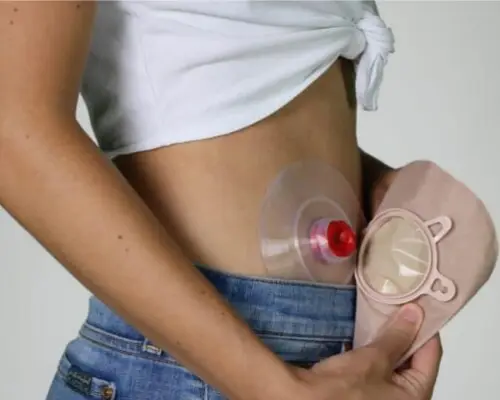
Stoma surgery is a surgical procedure performed on patients with impaired functions of the anus, bladder or urethra. As these patients are unable to excrete normally, an opening is made in their abdomen through stoma surgery, through which feces or urine can be normally discharged from the body.
Stoma can replace the previously lost excretory function, prevent excrement from contaminating the wound and causing a series of problems such as infection, and help the surgical site recover better and more effectively.
2. What is a stoma bag?
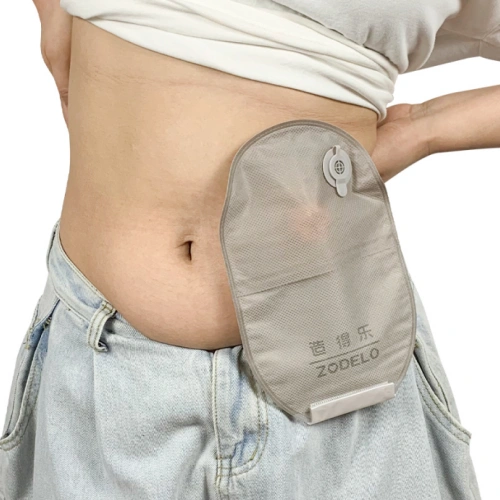
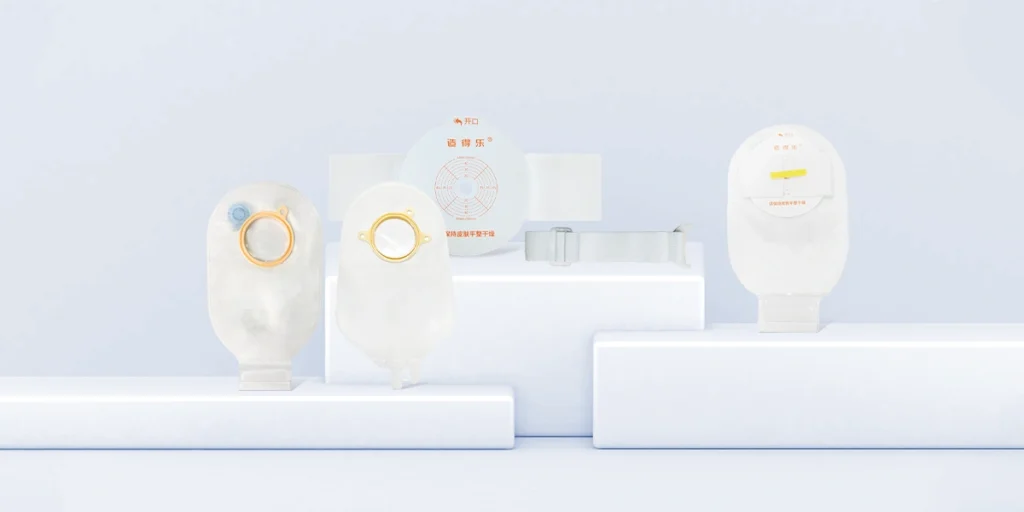
A stoma bag is a medical device used after a stoma surgery. It is attached around the stoma to collect excrement. It has the functions of isolating excrement, protecting the skin, preventing leakage and odor, and is an important tool to help patients return to a normal life.
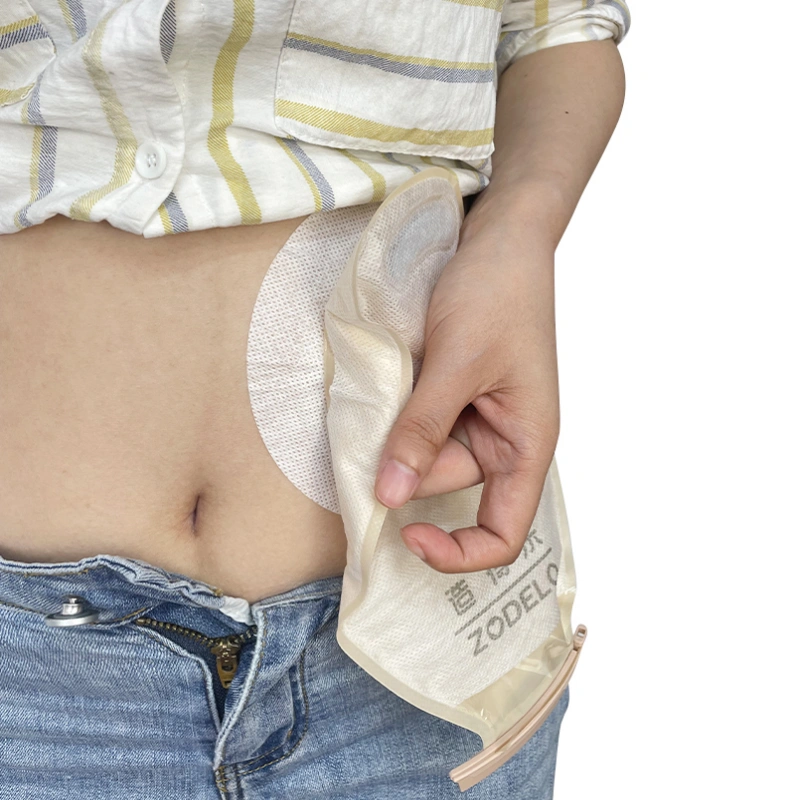
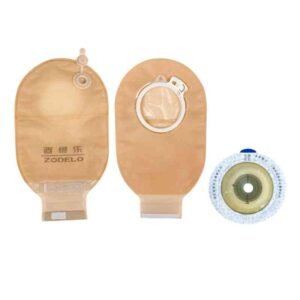
A stoma bag is usually composed of a bag body, a base or skin barrier, and an outlet. The bag body is used to collect the excrement discharged from the stoma. The chassis or skin barrier is made of colloid or hydrocolloid and is used to be adhered around the stoma to fix the bag body, while preventing excrement leakage and odor. Discharge outlets are usually either openable or sealable.
3. How Does a Stoma Bag Work?
- The base or skin barrier of the stoma is adhered around the stoma skin to form a seal.
- The patient’s feces or urine are directly discharged into the stoma into the stoma bag.
- Some bags are equipped with activated carbon filters inside, which can absorb odors and reduce the embarrassment of stoma bag swelling and unpleasant smells.
- The bottom of the emptying stomabag has an opening, allowing it to be emptied and reused multiple times. The closed-end stoma bag can be directly discarded and replaced after a single use.
Why Do I Have a stoma bag after birth?
Stoma bag after birth refers to a woman during or after childbirth. Due to severe complications or underlying diseases, a stoma (colostomy, ileostomy or urostomy) needs to be established on the abdominal wall through surgical operation. And wear the stoma bag after birth to replace the original excretion channel.
The need for creating a pocket after giving birth usually stems from one of the following three situations:
- Severe injuries related to childbirth.
- Previous diseases that were induced or aggravated by childbirth.
- Postpartum emergency surgery or complications of infection.
How can childbirth lead to a stoma?
1. Severe perineal or rectal injury (fourth-degree tear)
In complex vaginal deliveries, such as macrosomia, forceps/aspiration delivery, and prolonged second labor. Grade IV perineal laceration may occur, namely:
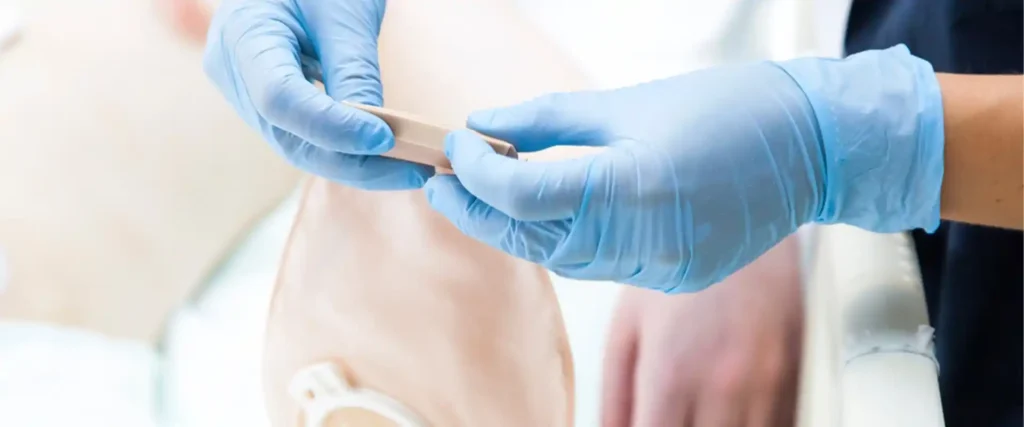
The perineal skin, perineal muscle group, anal sphincter and rectal mucosa are torn and damaged. Therefore, a temporary colostomy is needed to create healing conditions for the rectum and perineum repair. Avoid fecal contamination of the wound to prevent infection.
2. Rectovaginal Fistula
The pressure of childbirth leads to simultaneous ischemic necrosis of the rectal wall and vaginal wall, forming abnormal passages. Feces discharged through the vagina can cause infection and affect the quality of life. A temporary stoma needs to be established to control the infection and improve the tissue condition.
3. Intestinal ischemia or necrosis related to childbirth
Such as postpartum hemorrhage, vascular spasm or thrombosis, and prolonged hypoperfusion. It will lead to necrosis of the local intestinal segment, and the necrotic intestinal tube must be removed. Establish an ileal or colostomy to ensure life safety.
4. Complications of cesarean section
Complications such as intestinal injury, postoperative intestinal fistula, pelvic infection, abscess, etc. Stoma can effectively reduce intestinal pressure and control abdominal cavity contamination.
5. Deterioration of underlying diseases induced by pregnancy and childbirth
Such as inflammatory bowel disease (Crohn’s disease, ulcerative colitis), familial adenomatous polyposis, previous history of intestinal surgery, etc.
Prepare for childbirth with a stoma.

Women with a stoma can safely get pregnant, give birth and recover after childbirth under the management of a professional medical team. However, it is necessary to make professional and adequate preparations, conduct evaluations and provide correct care.
1. A multidisciplinary team must be established before childbirth
Choose the safest mode of delivery under the assessment and guidance of the following multiple doctors.
- Obstetrician (Experience with high-risk pregnancies)
- Colorectal surgeon/urologist
- Stoma therapist
- Department of Anesthesiology
- Department of Nutrition
2. Medical assessment of delivery methods (Natural Delivery vs. Cesarean section)
Evaluation factors | Medical considerations |
Stoma type | Ileostomy is more prone to dehydration |
Stoma position | Low stoma may be affected by abdominal pressure |
Primary disease | Cesarean section is often recommended during the active stage of IBD |
Previous surgical history | Multiple abdominal surgeries increase the risk |
3. Stoma management during pregnancy
Replace it with a customizable or pregnancy-specific chassis in advance.
Evaluate whether to use a support abdominal belt.
Record the daily discharge volume, skin condition and stoma situation.
4. List of preparations for stoma before delivery
Stoma bag and skin barrier with a capacity of more than two weeks.
Skin barrier of different sizes.
Skin protection products (leak-proof cream, skin barrier ring).
Medical certificate and stoma location annotation map.
Risks of having a stoma bag after birth
1. Parastomal Hernia
Due to the relaxation of the abdominal wall during childbirth and the postpartum period, the intra-abdominal pressure changes suddenly, leading to parastomal hernia. Heavy physical activities should be avoided within 6 to 8 weeks after giving birth. Use medical-grade abdominal belts and undergo regular imaging evaluations.
2. Stoma prolapse or retraction
Postpartum, due to the sudden drop in abdominal pressure and the relaxation of fascia, stoma prolapse may occur. Postpartum changes in abdominal wall tension can lead to stoma retraction.
3. The risk of skin complications has significantly increased
Due to increased sweating, rapid changes in abdominal shape, and compression of care time (neonatal care), etc. It will significantly increase the risk of skin complications.
4. Dehydration and electrolyte imbalance
Breastfeeding increases fluid consumption.
Sleep deprivation neglects drinking water.
High excretion like diarrhea.
5. Infection and postoperative complications
Incision infection during cesarean section
Abdominal cavity infection
Cellulitis around the stoma
6. Psychological and social risks
The risk of postpartum depression is superimposed.
I am extremely anxious and self-abased about my body image.
Feeling anxious and worried about intimate relationships.
What you can expect having a stoma bag after birth
a. Physical aspect
- Mild edema of the stoma, with a reddish color.
- The discharge volume and gas are unstable.
- The tension of the abdominal wall changes, and the fit between the chassis decreases.
- Postpartum abdominal laxity leads to an increased risk of leakage.
b. Changes in excretory patterns
Stoma type | Common changes |
Ileostomy | The discharge is thinner and more frequent |
Colostomy | Bowel movements have gradually become regular |
Urinary tract stoma | The amount of urine excreted at night increases |
c. Genuine experiences at the psychological and emotional levels
Anxiety about one’s own body image.
The sense of uncertainty about whether it can return to normal.
The risk of postpartum depression is superimposed.
What you can expect having a stoma bag after birth

1. At home with your newborn
- Fix the stoma care time (such as in the morning or after breastfeeding).
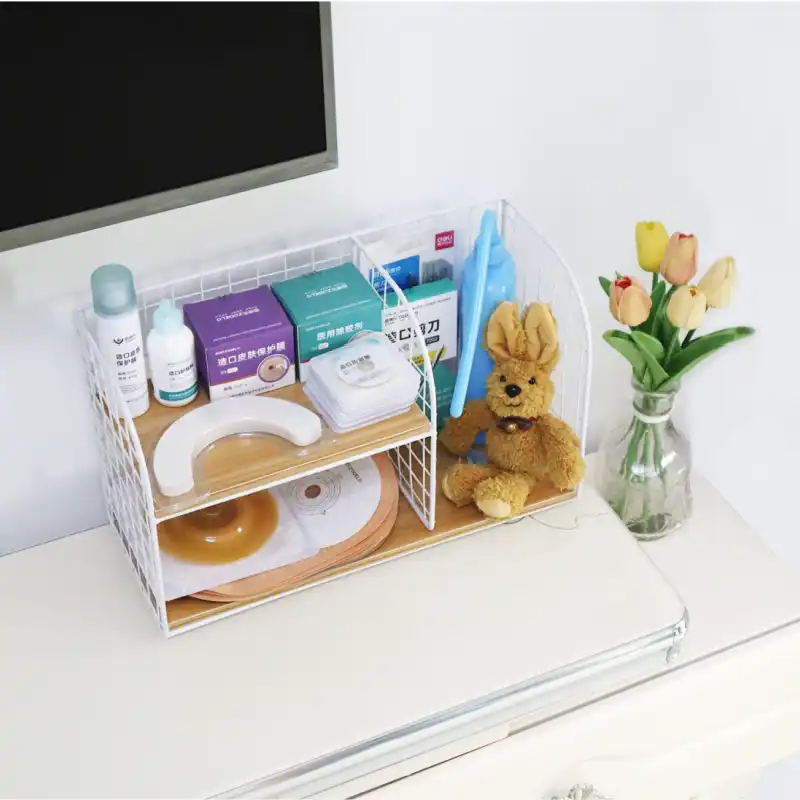
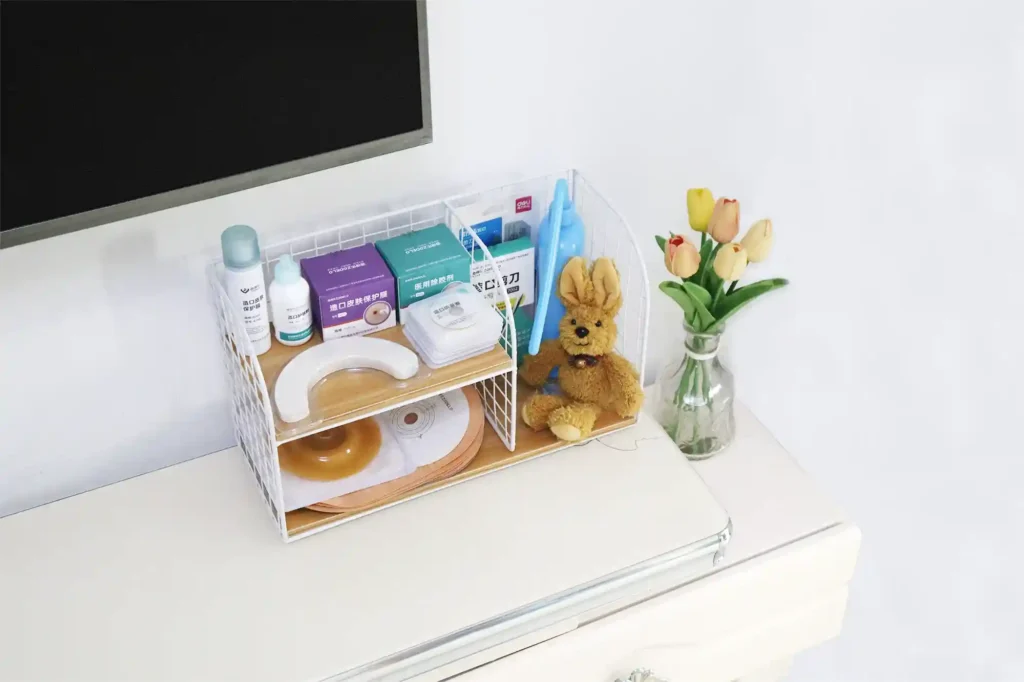
- Prepare an “emergency care kit” to avoid panic.
- Holding a baby in the correct posture, such as a high position, will not damage the stoma. Use a breastfeeding pillow or a support pillow. Avoid the baby directly kicking or pressing the stoma area.
- Change or check the ostomy bag in time before going to bed.
- Ileostomy patients use stoma bags with a larger capacity at night.
- Place the care supplies beside the bed to reduce the number of times you get up.
2. Activities with a stoma bag after birth
Activity type | Medical advice |
Indoor walking | Strongly recommended |
Push the baby carriage | It can be carried out |
Gentle stretch | It can be carried out |
Lift heavy objects | Avoid it 6 to 8 weeks after giving birth |
High-intensity core training | Put on hold |
3. Hygiene and bathing with a stoma bag after birth
- Just gently rinse the skin around the stoma with warm water. Avoid cleaning products containing fragrances, alcohol and oils. Avoid directly cleaning the stoma with disinfectant.
- Avoid directly impacting the stoma with high-temperature or high-pressure water flow to prevent stoma damage.
- After cleaning, gently pat the stoma to dry it and avoid friction.
- Check if the skin is red or oozing.
- Apply the base plate only after it is completely dry
- Use skin barrier ring and ostomy powder when necessary.

4. Clothing with a stoma bag after birth
Clothing with a stoma bag after birth is recommended to be breathable, loose and sweat-absorbent. Avoid clothes that are too hard or too tight from squeezing the stoma.
Clothing type | Professional advice |
High-waisted underwear | Stabilize the bag body and reduce friction |
Elastic waist pants/skirts | Adapt to changes in abdominal shape |
Loose dress | It has good concealment and high comfort |
Support the abdominal belt after delivery | Time-limited use, medical-grade required |
5. Travelling with a stoma bag after birth
- A professional preparation list before departure
An estimated usage of 2 to 3 times the amount of pockets and chassis
Ostomy scissors
Skin care products
Medical certificate (for airport security check)
- Professional response in transportation
Aircraft: During takeoff and landing, the gas expands. It is recommended to use the exhaust stoma bag. Avoid overeating.
Automobile: Seat belts should avoid direct pressure on the stoma.
- Dietary management
Ileostomy patients should focus on preventing dehydration.
Gradually try the local cuisine.
Always take oral rehydration salts with you.
6. Swimming with a stoma bag after birth
a. When can I swimming with a stoma bag after birth?
Situation | Suggested time |
After a natural delivery | ≥4 to 6 weeks |
After a cesarean section | ≥6 to 8 weeks |
Newly built entrance | Confirmed by a doctor |
b. Professional preparations before swimming
Use skin barrier with strong waterproof performance.
Change the new pocket before swimming.
Medical waterproof edge stickers can be used.
c. Professional advice on choosing swimsuits
Swimsuit type | Recommendation reasons |
High-waisted swimming trunks | Cover the stoma and stabilize the bag body |
One-piece swimsuit | It has strong concealment |
Dark or printed styles | Reduce the sense of contour |
c. Key points of post-swimming care
Rinse the skin immediately.
Check if the edges of the chassis are lifted.
If the adhesive force decreases, replace it in time.
FAQs about stoma bag after birth
Q1. Is stoma after childbirth necessarily permanent?
No. More than 70 to 80 percent of postpartum stomas are temporary stomas. When the repair conditions are ripe and the function has recovered well, the stoma can be closed.
Stoma type | Is it reversible? | Common situations |
Protective colostomy | Yes | Perineal/rectal repair |
Ileostomy | Most reversible | Inflammatory control period |
Permanent stoma | No | Only severe irreversible damage |
Q2. Can stoma affect breastfeeding?
No.
The stoma itself does not affect lactation or breastfeeding ability.
Q3. Can odors and leaks affect taking care of a baby?
No. When using a regular stoma bag, there will be no leakage or unpleasant smell. If it appears, just clean and replace the stoma bag with a new one in time. The baby won’t be affected.
Q4. Is it necessary to prevent the baby from coming into contact with the stoma area?
There is no need for deliberate isolation; just avoid direct impact.
Q5. Can I swimming with a stoma bag after birth?
Yes. However, it is necessary to confirm that the surgical incision has completely healed, the skin condition is good, and there is no active infection before swimming. At the same time, change the stoma bag in advance before swimming and make adequate preparations for stoma care.
Q6. Will others notice that I'm wearing a stoma bag after birth?
Under the appropriate dressing and bag system, it is almost imperceptible in appearance.
Conclusion - stoma bag after birth

Having a stoma bag after birth does not prevent becoming a mother, but it requires more planned and professional care. Stoma bag after birth is not an obstacle to a good life either, but a bridge to help all patients temporarily restore a healthy and comfortable life. After a certain recovery period, the stoma can be closed and a new confident life can be started.
Zodelo is committed to providing best stoma bag after birth for ostomy patients worldwide. We are constantly researching and upgrading stoma care solutions, strictly adhering to medical safety standards, and providing all stoma patients with a reassuring, comfortable and reliable ostomy care experience.
More Resources about stoma bag after birth
- Giving birth left me needing a colostomy bag– bbc
- Why Do I Have a Stoma After Childbirth?– thirddegreetears
- Stoma after Childbirth– glynns
- Colostomy: Surgery, Bags and Stoma Care– mayoclinic
- Giving birth left me needing a colostomy bag– masic
- 4th degree tear and ileostomy – Steffi’s story– birthtrauma
- Ostomy: Day-to-day activities for babies from birth to 12 months– aboutkidshealth
- Colostomy– nationwidechildrens
- How To Care For Colostomy Pouch – zodelo
- Adjusting to Life with an Ostomy Bag – zodelo

Top 10 Urostomy Bag Brands in 2026
Top 10 Urostomy Bag
Convex Wafer vs Flat: What’s the Difference
Convex Wafer vs Flat

Top Ileostomy Bag Brands in 2026
Top Ileostomy Bag Br

Ostomy Paste vs Ring: What’s the Difference
Ostomy Paste vs Ring