Colostomy Bag Vs Catheter: What’S The Difference?
Table of Contents
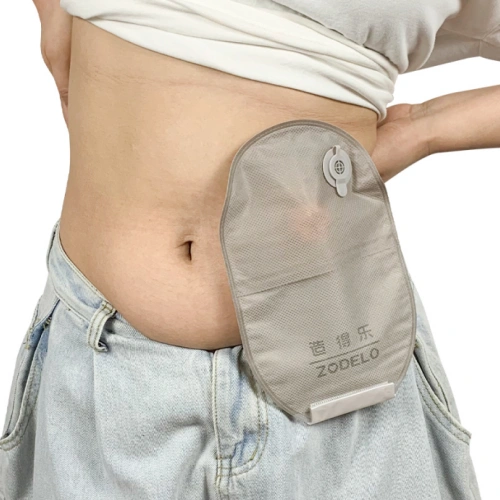
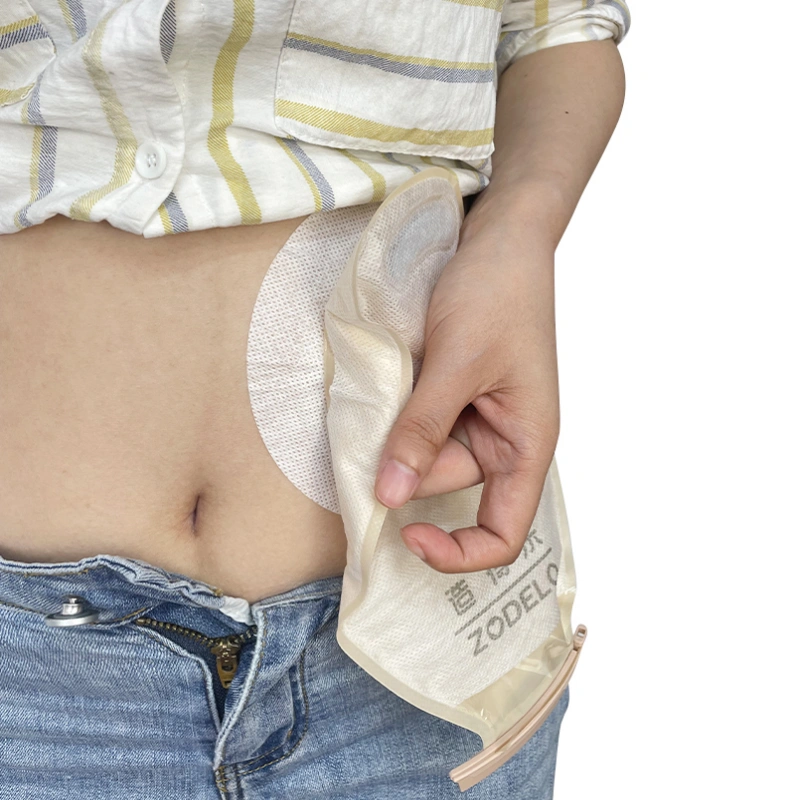
Colostomy bag vs catheter, which is better? Whether it is colostomy bag vs catheter, both can help patients rebuild excretion channels and resume a healthy and comfortable life. A better understanding of the differences between colostomy bag vs catheter. Can also help you choose a more suitable stoma care method for yourself and provide correct care.
Zodelo, as a leading stoma care brand in China. Is always committed to providing all stoma patients with high-quality colostomy bags and ostomy accessories. Help an increasing number of stoma patients regain their confidence and return to a healthy and comfortable life. At the same time, Zodelo also provides the latest knowledge on ostomy care. This article will analyze colostomy bag vs catheter in detail.
What to know about colostomy
1.What is colostomy?
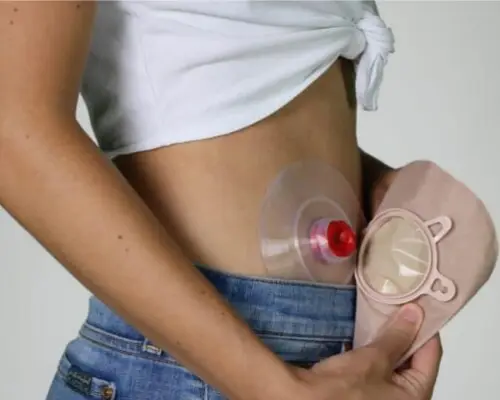
When understanding colostomy Bag Vs catheter, we first need to know is what is a colostomy. Colostomy is a surgical procedure that involves the removal of part of the colon from the abdominal wall to create a new excretory passage within the abdominal cavity. When patients are unable to excrete normally due to diseases such as colorectal cancer, diverticulitis or intestinal perforation, intestinal obstruction, trauma or surgical complications, and congenital anal atresia, colostomy is required. Feces will be discharged into the colostomy bag through the stoma, thereby replacing the original excretory function.
2. What are the benefits of the colostomy?
- Saving lives:Alleviating intestinal obstruction, it can contact intestinal pressure and dilate, preventing intestinal perforation and sepsis. Effectively prevent fecal contamination of the abdominal cavity and reduce the risk of fatal peritonitis.
- Maintain normal physiological functions:Help patients have normal excretory functions and ensure the normal metabolic functions of the body.
- Help with recovery: It can temporarily divert feces after the operation, effectively preventing excrement from contaminating the wound, and avoiding infection and inflammation.
- Improving quality of life: colostomy and colostomy pouch can effectively help patients control their excretion, avoid excretion contamination and odor, make daily life more reassuring and comfortable, and help restore confidence.
3. What are the risks of the colostomy?
- Bleeding:The stoma may bleed after the operation.
- Infection and inflammation: If not properly cared for, it may lead to infection and inflammation of the skin around the stoma, causing redness, swelling, itching and ulceration.
- Intestinal obstruction:Postoperative intestinal adhesion or twisting can lead to recurrent intestinal obstruction
- Stoma necrosis:Insufficient blood supply or excessive stoma tension may lead to stoma necrosis.
About your colostomy bag
1. What is a colostomy bag?
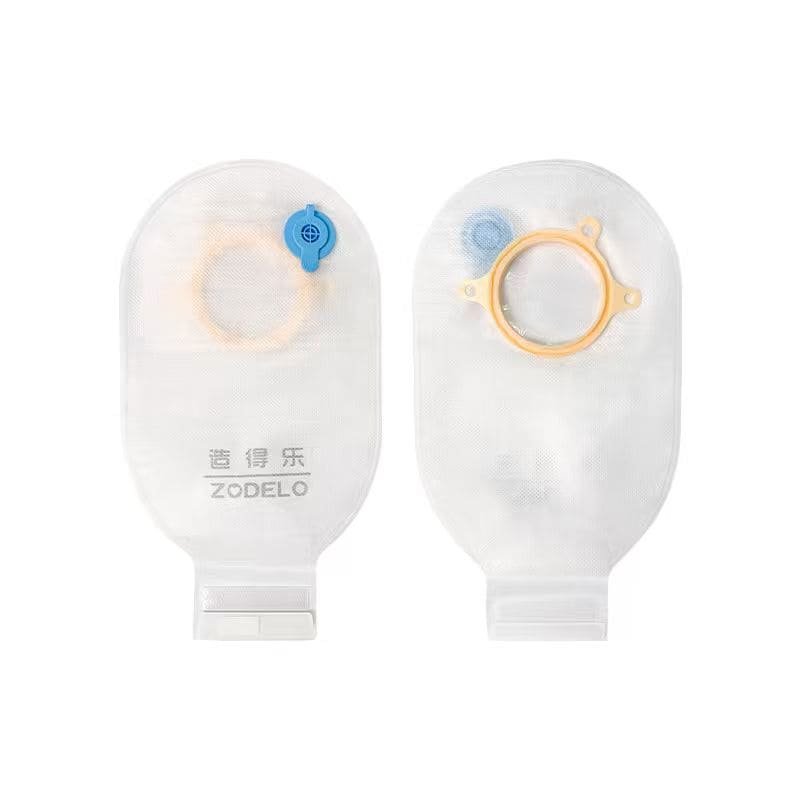
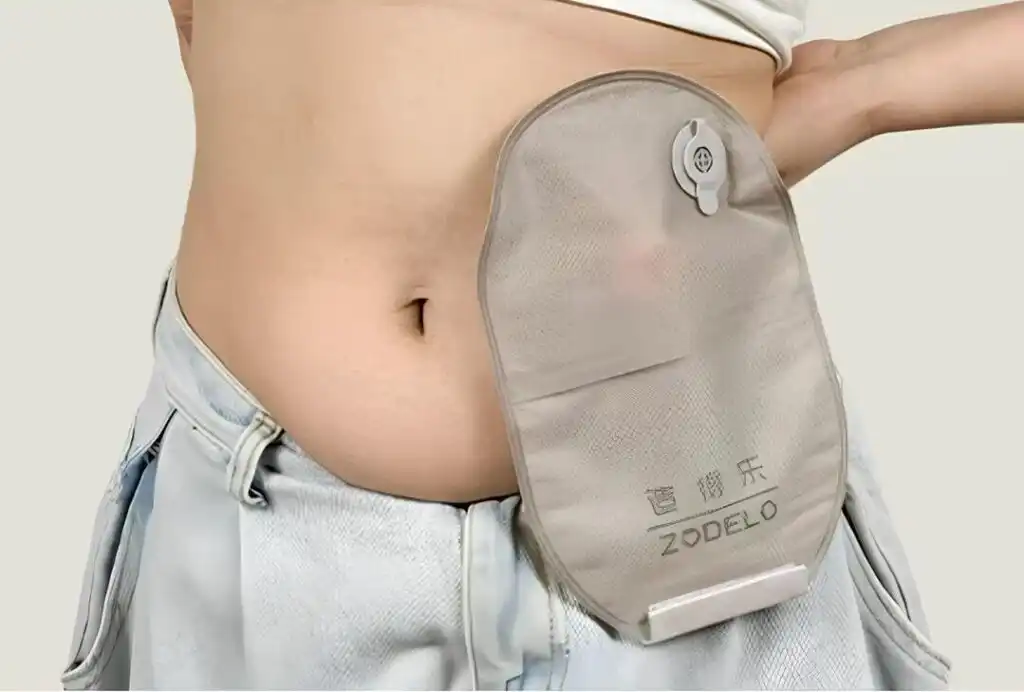
When understanding colostomy Bag Vs catheter, we also need to know what is a colostomy bag. Colostomy bag is a medical supply specially designed for patients with colostomy. It can collect the excrement discharged from the stoma, avoiding embarrassment and unpleasant odors, and effectively protecting the skin around the stoma. Understanding the what is a colostomy bag system is a prerequisite For learning How To Care For Colostomy bag. It is also an important tool for patients to return to a normal life, maintain confidence and a comfortable life.
2. Types of colostomy bag
When understanding colostomy bag vs catheter, it is essential to know the types of colostomy bag.
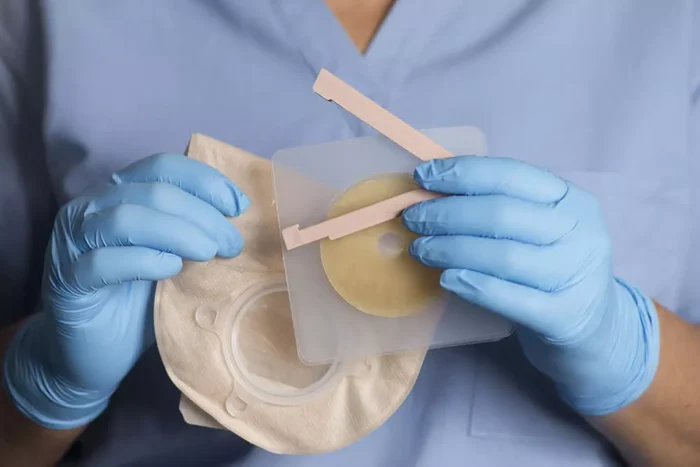
- One piece colostomy bag:The base of the One piece colostomy bagis connected to the bag body and cannot be separated. Use it as a whole and discard it as a whole. The replacement operation is simple with few steps, making it suitable for beginners or those with inflexibility in hand operation.
- Two piece colostomy bag: The chassis of the Two piece colostomy bagis separated from the bag body. The base can be used multiple times when adhered to the skin. When replacing, only the bag body needs to be replaced. It reduces the irritation to the skin at the stoma caused by frequent changes of the tearing base and is more skin-friendly. Suitable for people with sensitive skin or those who seek cost-effectiveness.
- Drainable colostomy bag: The bottom of the drainable colostomy baghas an opening for discharging excrement and can be reused multiple times after being emptied. There is no need for frequent replacement, reducing irritation to the stoma. It is more skin-friendly and also more convenient and simple.
- Closed-end colostomy bag: The bottom of the Closed colostomy bagis closed and cannot be discharged. Single-use, discard after use, convenient and fast, no need to empty and clean, simple to operate.

3. Reasons for colostomy or a colostomy bag
- Cancers:such as colorectal cancer, anal canal cancer, advanced intestinal cancer obstruction, etc.
- Inflammation: such as Crohn’s disease, ulcerative colitis, Diverticulitis, etc.
- External trauma: such as abdominal or anal damage caused by car accidents, knife wounds, gunshot wounds, etc
- Surgical complications:Intestinal anastomotic fistula or postoperative stenosis, etc
- Congenital diseases: such as congenital Imperforate Anus or intestinal malformations, etc
About your catheter
1. What is catheter
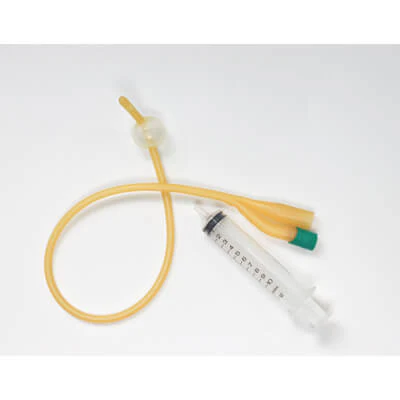
To better understand the urostomy bag vs catheter, you also need to understand what a catheter is. A urinary catheter is a medical tube used for draining urine. It is typically made of silicone or latex. Inserted through the urethra into the bladder, it helps drain urine and is suitable for patients who cannot urinate independently, require urine output monitoring, or need short-term bladder rest. A urinary catheter can help patients drain urine and accurately record urine output. It can also be used to infuse medications, such as for bladder tumor irrigation, and to promote healing.
2. Types of Catheter
To better understand the urostomy bag vs catheter, you also need to understand Types of Catheter.
A. Foley Catheter
The Foley catheter features a balloon for bladder fixation and can remain in place for days to weeks. After insertion into the bladder, the balloon is inflated to prevent slippage. Typically made of silicone or latex.
Suitable for postoperative care, urinary retention, prolonged bed rest, and urine output monitoring.
B. Intermittent Catheter
Suitable for patients requiring multiple self-catheterizations daily. Single-use; removed and discarded after each use. Lower infection rate than indwelling catheters.
Indicated for spinal cord injury, neurogenic bladder, and urinary retention.
C. External Catheter
For male patients only. Fits over the penis, draining urine into a collection bag. No urethral insertion required, resulting in low infection rates.
Suitable for urinary incontinence without requiring bladder drainage.
D. Suprapubic Catheter
A catheterization method that accesses the bladder directly through the abdominal wall. Avoids transurethral placement. Requires maintaining the puncture site clean during care.
Suitable for patients requiring long-term catheterization but unable to tolerate urethral insertion due to urethral injury.
E. Coude Catheter
Used for difficult urethral catheterization in males, such as those with benign prostatic hyperplasia or urethral stricture. Features a curved tip to bypass resistance points.
3. Reasons for Catheter
- Catheter is not a substitute for urostomy:they are used in various scenarios. Common situations that require a urinary catheter include
- Inability to urinate: benign prostatic hyperplasia, urethral stricture, bladder nerve injury.
- During and after the operation: Unable to urinate independently after anesthesia.
- For serious diseases, it is necessary to accurately record the input and output: monitor urine volume
- Short-term bladder rest or treatment: Bladder protection after bladder surgery, bladder training.
- Patients who have been bedridden for a long time or have terminal illnesses.
4. What happens when you get a catheter?
Catheterization methods are generally divided into: Foley and intermittent catheterization (insertion and extraction).
Foley process:
- Disinfect the urethral opening
- Use anesthetic lubricants to reduce discomfort
- Insert the catheter along the urethra into the bladder
- After the urine flows out
- The balloon is filled and fixed
- The catheter is connected to the urine bag

5. Male Catheterization Procedure
- Catheterization preparation: Lie on your back with your legs slightly apart; Prepare sterile catheterization kits, lubricants and catheters.
- Cleaning and disinfection:Circular cleaning of the urethral opening and the surrounding skin.
- Lift the penis:Raise the penis by about 90 degrees to straighten the urethra and reduce resistance.
- Lubricate thoroughly and insert the catheter slowly:Push slowly. If there is obvious resistance, do not force it forward to prevent prostate segment injury or false passage.
- After urine starts to flow out, push 2 to 3 cm further: Ensure that the end of the catheter is in the bladder.
- Balloon water injection fixation:Fill with 5 to 10 mL of normal saline.
- Connect the urostomy bag and fix the catheter: Keep the urostomy bag below the bladder level to prevent reflux.
6. Female Catheterization Procedure
- Catheterization preparation: Lie on your back, bend your knees and separate or cut the stone position.
- Cleaning and disinfection: Separate the labia minora and clean the urethral opening area from top to bottom.
- Locating the urethral opening:The urethral opening in women is relatively concealed and should be kept in a direct and visible state.
- Lubricate thoroughly and insert the catheter slowly: Gently push the catheter, usually with less resistance; If it accidentally enters the vagina, a new catheter needs to be replaced and reinserted.
- After urine starts to flow out, push 2 to 3 cm further: Ensure that the end of the catheter is in the bladder.
- Balloon water injection fixation: Fill with 5 to 10 mL of normal saline.
- Connect the urostomy bag and secure the tube:Avoid pulling and twisting.

colostomy bag vs catheter: what’s the difference?
In simple terms, the colostomy bag is used to receive the excrement discharged from the stoma and belongs to the digestive system. Catheter: A drainage device used for urination, belonging to the urinary system. Colostomy bag vs catheter, both serve completely different organ systems, with different indications, device locations, management methods, and risk points. There are mainly the following seven differences.
1. Colostomy bag vs Catheter: Different functions
- Colostomy bag: It is used to collect feces discharged from the stoma. It is suitable for cases where the colon/rectum cannot defecate normally, such as colorectal cancer, inflammatory bowel disease, intestinal obstruction, severe trauma, etc.
- Urinary catheter: It is used to guide urine out of the bladder. It is applicable to urinary retention, postoperative difficulty in urination, and urine volume monitoring in critically ill patients, etc.
2. Colostomy bag vs Catheter: Different surgical sites
- Colostomy bag:Through colostomy surgery, a stoma is established in the abdomen. The Colostomy bag is stuck on the abdominal skin
- Catheter: Inserted into the urethra into the bladder. It does not involve the gastrointestinal tract
3. Colostomy bag vs Catheter: Different indwelling methods
- Colostomy bag: External type: Colostomy bag is attached to the surface of the skin. The patient needs to regularly replace or empty the colostomy bag.
- Catheter: Built-in type: The tube is placed inside the body (urethra/bladder) and is fixed by an airbag. The end of the catheter is connected to the urine bag.
4. Colostomy bag vs Catheter: Indications different
Common indications of Colostomy bag:
- Postoperative colon cancer
- Inflammatory bowel disease (Crohn’s disease, ulcerative colitis
- Intestinal obstruction
- Intestinal damage caused by external trauma
- It is necessary to temporarily or permanently bypass the colon for defecation
Common indications for Catheter:
- Urinary retention
- Urine output needs to be continuously monitored after the operation
- Incontinence leads to skin ulceration
- Neurogenic bladder
5. Colostomy bag vs Catheter: Different nursing requirements
Key points of Colostomy bag care
- Skin care around the stoma
- Leak-proof and odor-proof
- Change the bag according to the amount of feces
Key points of Catheter care
- Keep the urethral opening and the urinary catheter clean
- Prevention of Urinary Tract Infections (UTI
- Ensure that the urostomy bag is below the height of the bladder to prevent reflux
6. Colostomy bag vs Catheter: Different complications
Colostomy bag complications:
- Peristoma dermatitis
- Stoma prolapse or retraction
- Fecal leakage leads to infection and skin ulceration
Catheter complications:
- Urinary tract infection
- Urethral injury
- Catheter obstruction
- Bladder spasm
7. Colostomy bag vs Catheter: Different usage durations
- Colostomy bag:It can be divided into temporary or permanent use. It depends on the surgical plan and the condition
- Catheter:Mostly for short-term use. Long-term indwelling requires regular replacement and strict monitoring of infection risks
The main differences between Colostomy bag vs Catheter can be referred to in the following table:
| Colostomy Bag | Catheter |
System of action | Digestive system | Urinary system |
Discharge | Feces | Urine |
Location | The abdomen is externally pressed against the stoma | The urethra enters the bladder |
Whether surgery is needed | Stoma surgery is necessary | Generally, it is not necessary. Bedside operation is sufficient |
Device form | External bag | Built-in tube + external urine bag |
Indications | The intestines cannot defecate normally | Unable to urinate normally or monitor urine volume |
Usage duration | Short-term or permanent | Most are short-term, and long-term ones need to be replaced |
Key points of nursing | Stoma skin protection and leakage prevention | Prevention of urinary tract infections and urethral hygiene |
Common complications | Dermatitis, stoma prolapse, leakage | Urinary tract infection, urethral injury |
Patient’s automatism | Ostomy management needs to be learned | Ordinary catheterization usually does not allow for self-catheterization |
Types of Ostomy Bags to Use After Surgery

Regarding Colostomy bag vs Catheter, the ostomy bags required for different causes and stoma types also vary. The following are the types of colostomy bags.
- One piece ostomy bag: The skin barrier and the bag body cannot be separated. When replacing, the entire bag can be replaced, making it thinner, lighter and more comfortable. The operation is simple and quick, suitable for beginners or those who pursue simple operation.
- Two piece ostomy bag: The wafer and the ostomy bag body are separated. The base can be adhered to the skin for multiple uses, and only the ostomy bag body needs to be replaced. There is no need to frequently change the chassis, which may irritate the skin. It is suitable for patients with frequent excretion or sensitive skin.
- Drainable ostomy bag: The bottom of the ostomy bag has an open excretion port for discharging the excrement inside the ostomy It can be emptied and reused multiple times, which is more economical and practical. It is suitable for patients with loose stools or frequent or large bowel movements, such as those with ileostomy
- Closed-endostomy bag: No discharge opening, for single use only, and discarded as a whole after use. It is more hygienic, easier to replace, and suitable for people with solid feces or regular excretion patterns, such as patients with ileostomy.
- Urostomy bag: Specifically designed for urine excretion, it features an anti-reflux valve and a night drainage interface, making it suitable for patients with urinary tract stoma.
When should I call my doctor?

- Please seek medical attention immediately in the following circumstances (emergency) :
- If the fever exceeds 38℃ and is accompanied by symptoms such as lower back pain, nausea and vomiting, it may be a urinary tract infection or nephritis.
- Stop urinating, accompanied by symptoms such as abdominal pain and back pain.
- If the color of the stomata turns purple or black, it may indicate insufficient blood supply or stomata necrosis.
- There is heavy bleeding or continuous bleeding at the stoma site.
- Please contact the doctor as soon as possible.
- Cloudy urine or urine containing a large amount of crystals may indicate the presence of an infection.
- The stoma retracts below the skin surface.
- The stoma skin shows erosion and exudation, accompanied by itching or pain, and may also have skin problems such as infection and allergy.
- Continuous excessive gas emissions can cause pores to expand.
FAQs about colostomy bag vs catheter
Q1. colostomy bag vs catheter, are they same?
No, it’s different.
Colostomy bag is used to receive the excrement discharged from the stoma and belongs to the digestive system.
Catheter: A drainage device used for urination, belonging to the urinary system.
The two both serve completely different organ systems, with different indications, device locations, management methods, and risk points.
Q2. Can I still poop with a colostomy bag?
No.
Because colostomy surgery will change the course of feces, excrement is discharged through the stoma in the abdomen into the colostomy bag.
However, a small number of patients may still have a small amount of mucus discharged from the anus. This is a normal phenomenon and not feces.
Q3. I have a temporary colostomy. When can I have a colostomy reversal?
Usually, it takes 8 to 12 weeks or even longer after the operation. The specific time needs to be evaluated based on one’s own condition and with the doctor. The doctor will assess whether the payment is repayable based on the following conditions:
- The anastomosis of the original intestinal tract has completely healed.
- There is no persistent infection, abscess or inflammation.
- Intestinal function has returned to normal.
- Good nutritional status and good wound healing.
Q4. How long after colostomy do I poop?
Feces usually start to be discharged into the colostomy bag 2 to 4 days after the operation. If there is no defecation or flatulence within 4 to 5 days, a doctor should assess whether there are postoperative intestinal paralysis or other complications.

Conclusion - colostomy bag vs catheter
Whether it is colostomy bag vs catheter, the purpose is to help patients restore normal excretory function. However, only by accurately understanding the differences between colostomy bag vs catheter can one correctly choose the most suitable surgical and care methods for oneself, regain a confident and comfortable life, and scientifically care for the stoma.
At Zodelo, from material selection to exquisite craftsmanship. Every step stems from a belief: to alleviate users’ concerns and enhance their comfortable experience. Zodelo will always be by your side, providing you with the best ostomy supply products and ostomy care service.
More Resources about colostomy bag vs catheter
- Catheterization and Urostomy for the Community Pharmacist– uspharmacist
- Urine Drainage Catheter Bags– clevelandclinic
- Colostomy– clevelandclinic.org
- Common Types of Ostomies: Colostomy, Ileostomy, and Urostomy– health.ucdavis
- Ostomy: Adapting to life after colostomy, ileostomy or urostomy– mayoclinic
- Colostomy Bags:Types, Care, and Maintenance– webmd
- Urostomy Vs Colostomy Bag– zodelo
- Urostomy bag vs catheter:what’s the difference– zodelo
- How to Choose the Best Ostomy Bag?– zodelo
- Adjusting to Life with an Ostomy Bag– zodelo

Top 10 Urostomy Bag Brands in 2026
Top 10 Urostomy Bag

Convex Wafer vs Flat: What’s the Difference
Convex Wafer vs Flat

Top Ileostomy Bag Brands in 2026
Top Ileostomy Bag Br

Ostomy Paste vs Ring: What’s the Difference
Ostomy Paste vs Ring