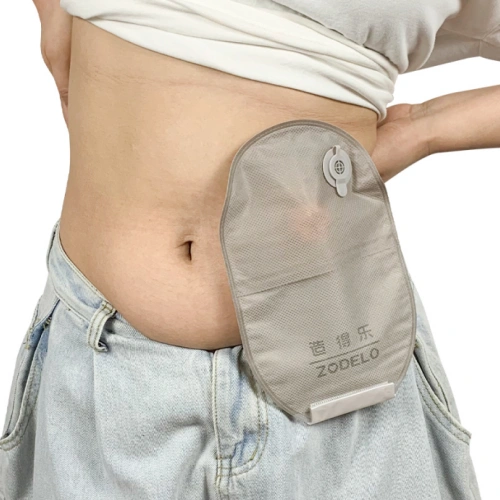
urostomy bag vs catheter:what’s the difference
Table of Contents
Urostomy bag vs catheter, which is better? Whether it is urostomy bag vs catheter, both can effectively help patients excrete urine and collect urine, assisting stoma patients in returning to a normal life. Therefore, all patients with urostomy patients must understand the difference between urostomy bag vs catheter. Only in this way can stoma care be carried out more scientifically and reasonably.
Zodelo is well aware that the urostomy bag is of vital importance to stoma patients. Therefore, based on user experience, we are committed to developing the highest quality and most comfortable ostomy bags. Let all users enjoy a more comfortable and reassuring life. Meanwhile, Zodelo also provides you with the most comprehensive and detailed information on ostomy care. This article will provide you with a detailed analysis of the differences urostomy bag vs catheter.
What to know about a urostomy
1.What is a urostomy (ileal conduit)?
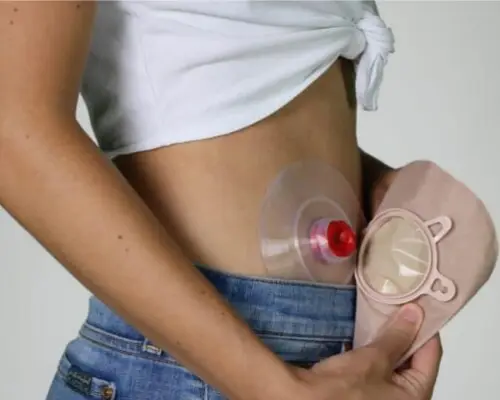
To better understand the urostomy bag vs catheter, it is first necessary to understand what is a urostomy. Urostomy is an opening made in the abdomen to drain urine out of the body. When some patients have bladder damage or complete loss of bladder function, doctors will use ileal conduit to create a permanent or temporary stoma in the patient’s abdomen to expel urine from the kidneys, and use Urostomy Bag to collect urine.
2. When may you need a urostomy?
- Cystectomy:Bladder cancer, severe radiation cystitis, severe bladder injury.
- Congenital or functional bladder problems: bladder hypoplasia, neurogenic bladder (spinal cord injury, multiple sclerosis, etc.).
- Severe urethral injury or stenosis: Complications after major gynecological/urinary system surgeries
- External trauma:such as bladder damage caused by car accidents, knife wounds, or gunshot wounds.
- Chronic recurrent infections or complex fistulas
3. What happens when you get a urostomy?
Under normal circumstances, after professional assessment, the surgery will be performed under general anesthesia or regional anesthesia. The doctor will select a suitable section of the ileum as a “catheter”, with one end connected to an external stoma and the other end receiving the drainage fluid from the ureter in the abdominal cavity. The ureter was implanted into the ileum segment, and an anti-reflux device was made to reduce urine reflux and damage to the kidneys. Then, the ileum segment is turned out, fixed and sutured into the abdominal cavity to form a bright red and moist stoma. Finally, stop the bleeding and place the drainage tube, and the operation is completed.

4. When may you need a catheter?
- Catheter is not a substitute for urostomy:they are used in various scenarios. Common situations that require a urinary catheter include
- Inability to urinate: benign prostatic hyperplasia, urethral stricture, bladder nerve injury.
- During and after the operation: Unable to urinate independently after anesthesia.
- For serious diseases, it is necessary to accurately record the input and output: monitor urine volume
- Short-term bladder rest or treatment: Bladder protection after bladder surgery, bladder training.
- Patients who have been bedridden for a long time or have terminal illnesses.
5. What happens when you get a catheter?
Catheterization methods are generally divided into: Foley and intermittent catheterization (insertion and extraction).
Foley process:
- Disinfect the urethral opening
- Use anesthetic lubricants to reduce discomfort
- Insert the catheter along the urethra into the bladder
- After the urine flows out
- The balloon is filled and fixed
- The catheter is connected to the urine bag
About your urostomy bag
1. What is an urostomy bag?
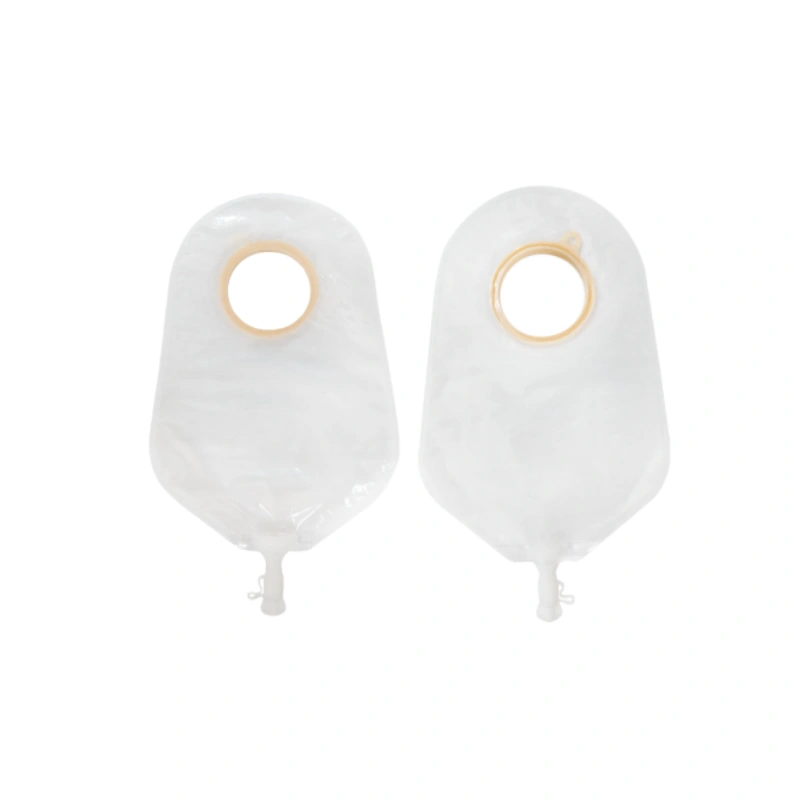
To better understand the urostomy bag vs catheter, it is first necessary to understand what is a urostomy bag. The urostomy bag is a medical device specifically designed for collecting urine discharged from the stoma. When a patient loses the ability to urinate due to disease or damage to the bladder and ureters, a stoma surgery will be performed. The doctor will create a stoma in the patient’s abdomen to expel urine from the body. At this point, a urostomy bag is needed to collect the continuously excreted urine.
Urinary ostomy bags protect the skin from continuous contamination and irritation by urine. Meanwhile, the urostomy bag can also prevent leakage and odors. It can prevent urine reflux, reduce hydronephrosis and infection problems.
2. Types of urostomy bags
To better understand the urostomy bag vs catheter, it is first necessary to understand Types of urostomy bag.
a. One piece urostomy bag
The skin barrier of the one piece urostomy bag is integrated with the bag body and can be replaced as a whole. As there is no connecting ring, it can better fit the shape of the abdomen, be softer and more comfortable, and be invisible and lightweight. It is suitable for beginners with inflexible hand operation and stoma.
b. Two piece urostomy bag
The skin barrier of the two piece urostomy bag is separated from the bag body and connected together through a mechanical coupling system. The skin barrier can adhere to the skin for reuse, and the bag body can be replaced independently. Two-piece urostomy bags can reduce skin irritation caused by frequent tearing. The bag body can be directly replaced, which is more convenient and faster. When replacing temporarily, there is no need to re-stick the base. It is suitable for patients with large urine output, frequent urination or sensitive skin.
c. Daily use urostomy bag
The capacity of a daily urine bag is usually 400 to 600 milliliters. It is light, thin and invisible, flexible and convenient. Easy to use in daily outdoor activities. It is usually equipped with a check valve and a bottom discharge valve to facilitate the discharge of urine and prevent its backflow.
d. Night drainage system
The night drainage system usually has a large capacity. It consists of a night extension pipe and a large-capacity night drainage system for use at night. It is suitable for use before going to bed at night or when one cannot defecate for a long time, and can help patients reduce the frequency of getting up at night. The night drainage system is equipped with an anti-reflux system, which can effectively reduce the risk of infection caused by urine reflux.
About your catheter
1. What is catheter
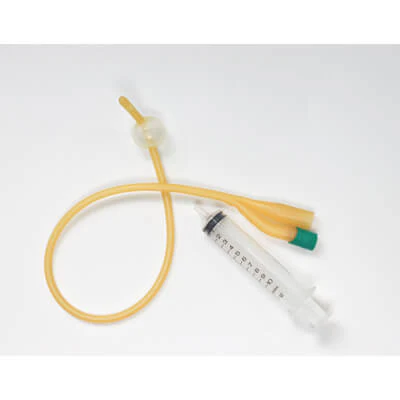
To better understand the urostomy bag vs catheter, you also need to understand what a catheter is. A urinary catheter is a medical tube used for draining urine. It is typically made of silicone or latex. Inserted through the urethra into the bladder, it helps drain urine and is suitable for patients who cannot urinate independently, require urine output monitoring, or need short-term bladder rest. A urinary catheter can help patients drain urine and accurately record urine output. It can also be used to infuse medications, such as for bladder tumor irrigation, and to promote healing.
2. Types of Catheter
To better understand the urostomy bag vs catheter, you also need to understand Types of Catheter.
A. Foley Catheter
The Foley catheter features a balloon for bladder fixation and can remain in place for days to weeks. After insertion into the bladder, the balloon is inflated to prevent slippage. Typically made of silicone or latex.
Suitable for postoperative care, urinary retention, prolonged bed rest, and urine output monitoring.
B. Intermittent Catheter
Suitable for patients requiring multiple self-catheterizations daily. Single-use; removed and discarded after each use. Lower infection rate than indwelling catheters.
Indicated for spinal cord injury, neurogenic bladder, and urinary retention.
C. External Catheter
For male patients only. Fits over the penis, draining urine into a collection bag. No urethral insertion required, resulting in low infection rates.
Suitable for urinary incontinence without requiring bladder drainage.
D. Suprapubic Catheter
A catheterization method that accesses the bladder directly through the abdominal wall. Avoids transurethral placement. Requires maintaining the puncture site clean during care.
Suitable for patients requiring long-term catheterization but unable to tolerate urethral insertion due to urethral injury.
E. Coude Catheter
Used for difficult urethral catheterization in males, such as those with benign prostatic hyperplasia or urethral stricture. Features a curved tip to bypass resistance points.
Urostomy bag vs catheter:what’s the difference
The Urostomy Bag is a permanent urinary diversion device designed for people without a bladder. The Catheter is an auxiliary drainage tool designed for people who have a bladder but are temporarily or chronically unable to urinate. The main differences between Urostomy bag vs catheter can be referred to in the following table:
| Urostomy Bag | Catheter |
Applicable objects | The bladder has been removed or the urethra cannot be used | The bladder is still present but unable to urinate |
Location of urine outlet | Abdominal wall stoma (permanent) | Urethral/abdominal wall catheter (temporary/long-term) |
Urinary flow control | Uncontrolled, continuous outflow | It is determined by the urine storage in the urine bag or bladder |
Whether to undergo surgery to establish a urinary tract diversion | Yes (major surgery) | No (Intubation is fine) |
Is it reversible? | Irreversible (permanent | Reversible and the tube can be removed at any time |
Key points of nursing | Stoma skin protection and bag body pasting | Prevention of urinary tract infection and unobstructed urinary catheter |
Infection risk | Lower than long-term catheterization | Higher (urinary tract infection, CAUTI) |
Period of use | “Lifetime” | From hours to several weeks/months |
Influence lifestyle | The urostomy bag needs to be worn for a long time | In most cases, it is temporarily affected |
Typical population | Postoperative bladder cancer, severe bladder injury | Acute urinary retention, postoperative monitoring, neurogenic bladder |
how to Changing a Urostomy Bag
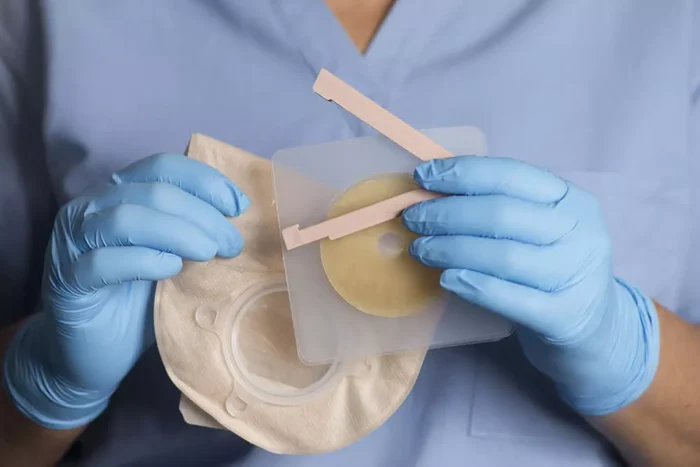
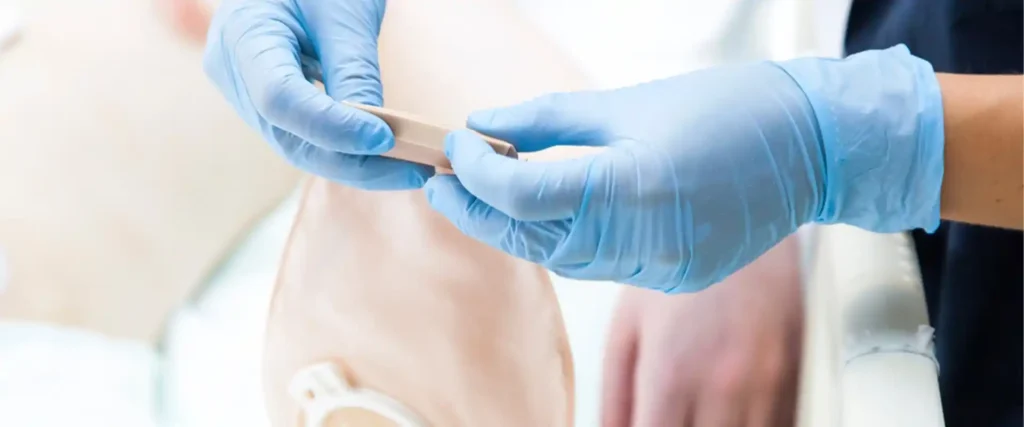
After understanding the urostomy bag vs catheter, you also need to understand how to change a urostomy bag.
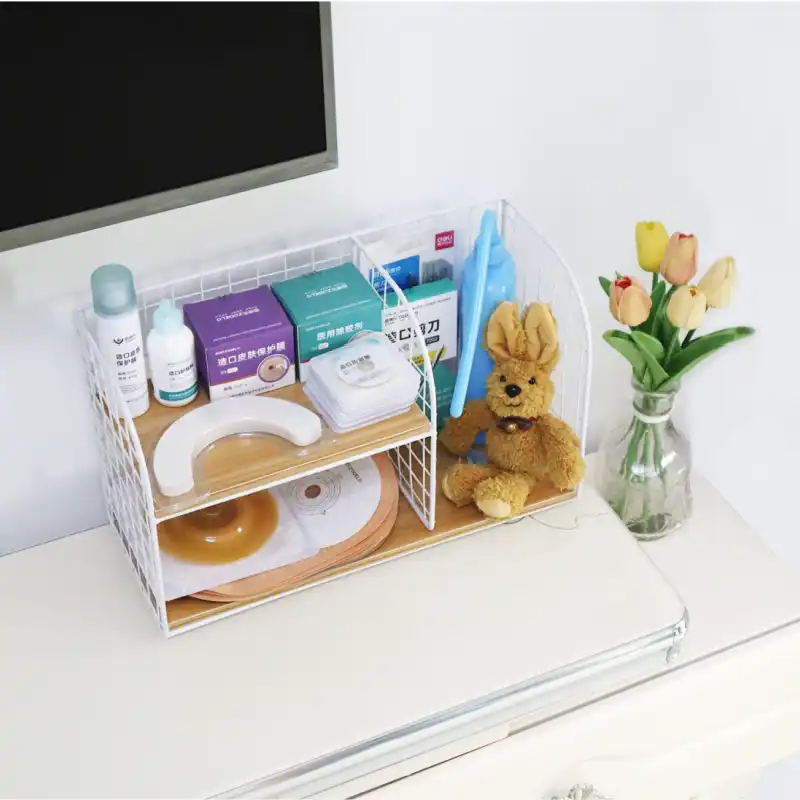
- Before changing the urostomy bag, the following items should be prepared: a new urostomy bag, ostomy scissors, warm water and wet wipes, glue remover, ostomy powder, sealing rings, ostomy paste, etc. Wash your hands thoroughly and keep them clean.
- Gently peel off the skin barrier and examine the stoma and the surrounding skin: The color should be bright red and moist, without secretions, swelling or ulcers.
- Clean the skin around the stoma with warm water and a wet wipe. Be careful to avoid using cleaning products containing alcohol or fragrances.
- Measure the diameter of the stoma and cut an opening 1-2 millimeters larger than the stoma on the bottom plate of the urostomy bag.
- A skin protective film can be chosen to form a protective layer.
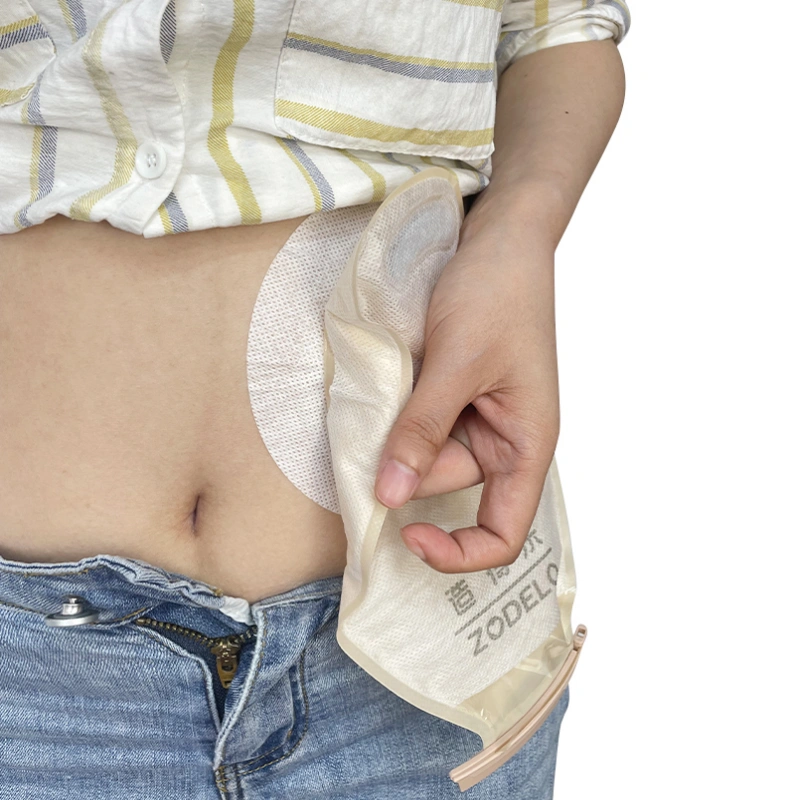
- After the skin at the stoma site becomes dry, apply a new stoma bag. Gently press to ensure that the ostomy bag adheres completely to the skin and prevents leakage.
- Close the bottom exhaust port.
- Finally, check whether the urostomy bag is firmly adhered and completely sealed. Discard used wet wipes and old urostomy bags and wash your hands.
Caring for the urostomy bag
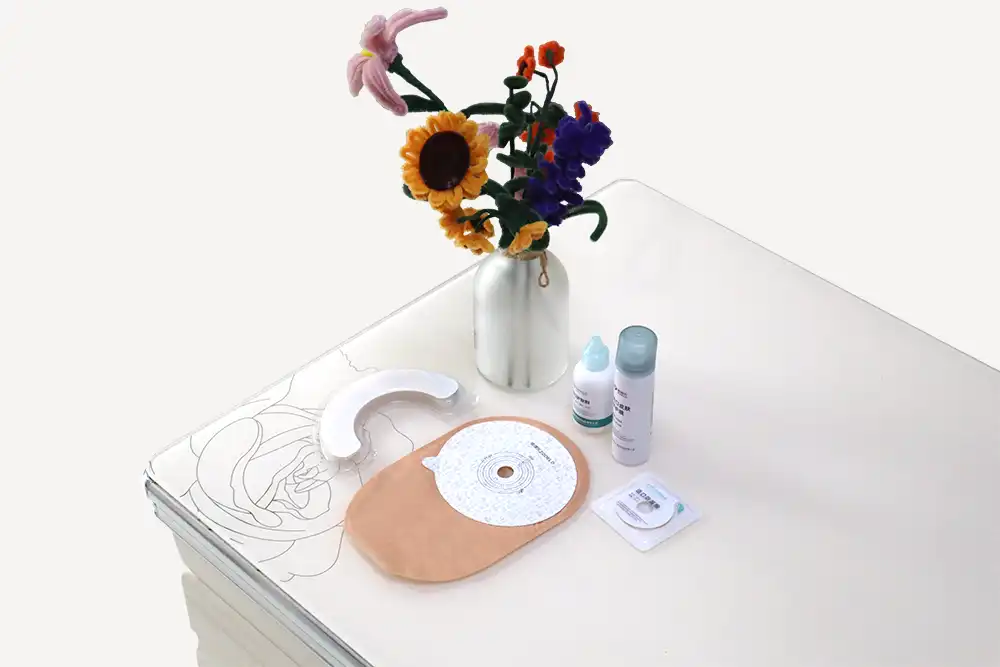
After understanding the urostomy bag vs catheter, you also need to understand how to caring for the urostomy bag.
1. In terms of cleaning
- Each time you change the urinary ostomy bag, gently clean the skin around the stoma with warm water and a wet wipe.
- Avoid using cleansing products containing alcohol or fragrances as they may irritate the skin.
- After cleaning, be sure to wait until the skin around the stoma is dry before applying the adhesive to prevent water stains around the stoma from causing poor adhesion and leakage.
- Stoma powder can be used to care for the skin around the stoma.
2. Nursing aspect
- When changing the urinary ostomy bag, you can use a leak-proof ring or leak-proof ointment to better adhere to the skin and prevent leakage.
- You can use the night drainage system before going to bed to reduce the number of times you get up at night.
- Drinking plenty of water every day helps dilute urine and reduces the risk of urine sedimentation and infection.
3. In terms of clothing
In daily life, you can choose loose, light, soft and breathable clothes. Avoid squeezing the stoma or overheating the skin around it.
Living with an urostomy bag
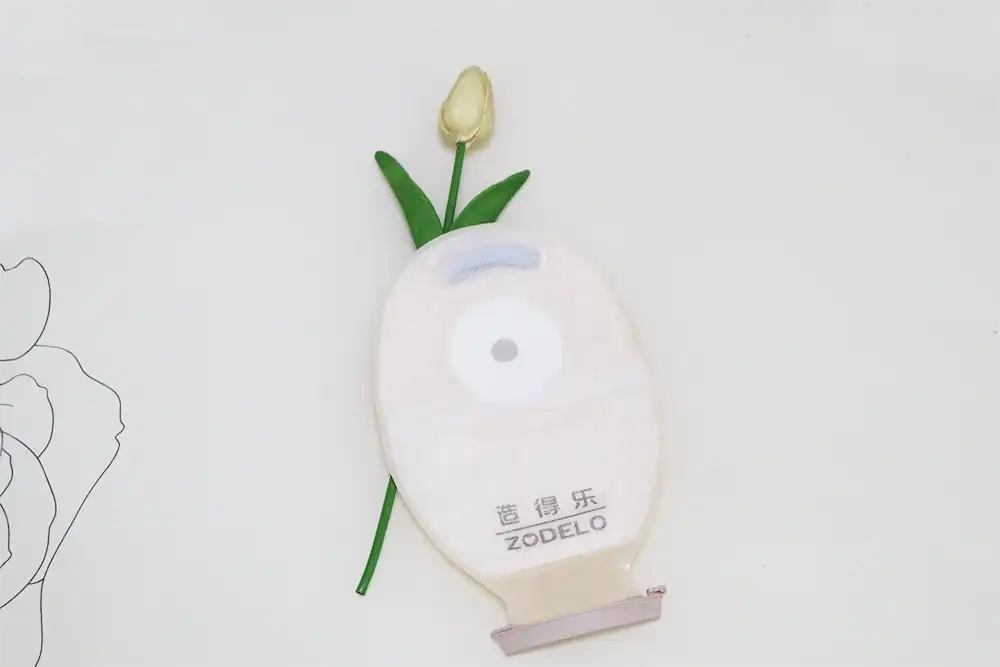
After understanding the urostomy bag vs catheter, you also need to understand how to living with an urostomy bag.
Home life with a urostomy bag
- Regularly empty the urostomy bag: When the urine reaches 1/3 to 1/2 of the capacity of the urostomy bag, it should be emptied in time to prevent the bag from being too heavy and pulling at the bottom.
- Nighttime connection to the drainage system: It enables continuous urination at night, reduces the frequency of getting up at night, and maintains a comfortable sleep.
- Skin protection:Each time you change the stoma bag, gently clean the skin around the stoma with warm water and use stoma powder to protect and soothe the skin.
- Observe the color and smell of urine: If the urine is cloudy, has an unpleasant odor, is red or accompanied by a fever, seek medical attention immediately.
Exercise with a urostomy bag
- Moderate exercise can be done 6 to 8 weeks after the operation, but vigorous exercise should be avoided.
- Avoid excessive force, intense abdominal exercises or impact exercises.
- It can be used for low-intensity activities such as walking, yoga and swimming (waterproof bags and waterproof cases are required).
- Make sure the bag body is firmly fixed to avoid friction or pulling.
Diet with a urostomy bag
- Drinking plenty of water every day helps dilute urine and prevent it from crystallizing or getting infected.
- Avoid eating irritating foods: For instance, coffee, alcohol and carbonated drinks may irritate the urethral system.
- Observe changes in urine color: Beetroot, B vitamins and medications may temporarily alter the color of urine. There is no need to panic.
When to contact a doctor?

1. Please seek medical attention immediately in the following circumstances (emergency) :
- If the fever exceeds 38℃ and is accompanied by symptoms such as lower back pain, nausea and vomiting, it may be a urinary tract infection or nephritis.
- Stop urinating, accompanied by symptoms such as abdominal pain and back pain.
- If the color of the stomata turns purple or black, it may indicate insufficient blood supply or stomata necrosis.
- There is heavy bleeding or continuous bleeding at the stoma site.
2. Please contact the doctor as soon as possible.
- Cloudy urine or urine containing a large amount of crystals may indicate the presence of an infection.
- The stoma retracts below the skin surface.
- The stoma skin shows erosion and exudation, accompanied by itching or pain, and may also have skin problems such as infection and allergy.
- Continuous excessive gas emissions can cause pores to expand.
FAQs about urostomy bag vs catheter
Q1. Is a urostomy the same as a catheter?
It’s different. Urostomy is a permanent urinary diversion surgery. The doctor led the ureter to the abdominal wall to form a stoma. Urine was continuously discharged from the stoma and collected in the stoma bag. It is a permanent urinary diversion surgery. The Catheter is a flexible tube that enters the bladder through the urethra or suprapubic bone and is used to temporarily or permanently drain urine.
Q2. Do you have a bladder if you have a urostomy?
Depending on the cause of the surgery, but most patients do not have a bladder. In most cases: The bladder is removed. For example: muscle-invasive bladder cancer, severe bladder injury or radiation-induced injury, complex fistulas that cannot be repaired. These patients need to have their bladders removed and their urinary tracts reconstructed through urostomy.
Q3. How do you pee with a urostomy bag?
Urine does not pass through the bladder or be discharged from the urethra, but flows directly from the stoma on the abdominal wall into the stoma pouch.
Urine keeps flowing into the ostomy bag.
Urine flow path: kidney → ureter → ileal catheter (intestinal segment) → abdominal wall stoma → urostomy bag.
Where to Buy Colostomy Bags?

Conclusion - urostomy bag vs catheter
Urostomy bag vs catheter have both similarities and differences. Neither Urostomy bag vs catheter will be an obstacle to life, but a new starting point for restoring physical health. Therefore, every patient needs to truly understand Urostomy bag vs catheter. Only in this way can the stoma be better cared for in a scientific and reasonable manner.
Zodelo is committed to providing high-quality ostomy bags and accessories for stoma patients worldwide. We are constantly researching and upgrading stoma care solutions, strictly adhering to medical safety standards, and providing all stoma patients with reassuring, comfortable and reliable ostomy bags.
More Resourses about urostomy bag vs catheter
- Urine Drainage Catheter Bags– clevelandclinic
- Types of Urostomies– cancer.org
- Living with a urostomy, urine pouch or new bladder– cancerresearchuk
- Changing Your Urostomy Pouching (Bag) System at Home— mskcc
- Urostomy – Stoma and Skin Care— ufhealth
- Urostomy Vs Colostomy Bag– zodelo

Top 10 Urostomy Bag Brands in 2026
Top 10 Urostomy Bag

Convex Wafer vs Flat: What’s the Difference
Convex Wafer vs Flat

Top Ileostomy Bag Brands in 2026
Top Ileostomy Bag Br

Ostomy Paste vs Ring: What’s the Difference
Ostomy Paste vs Ring